
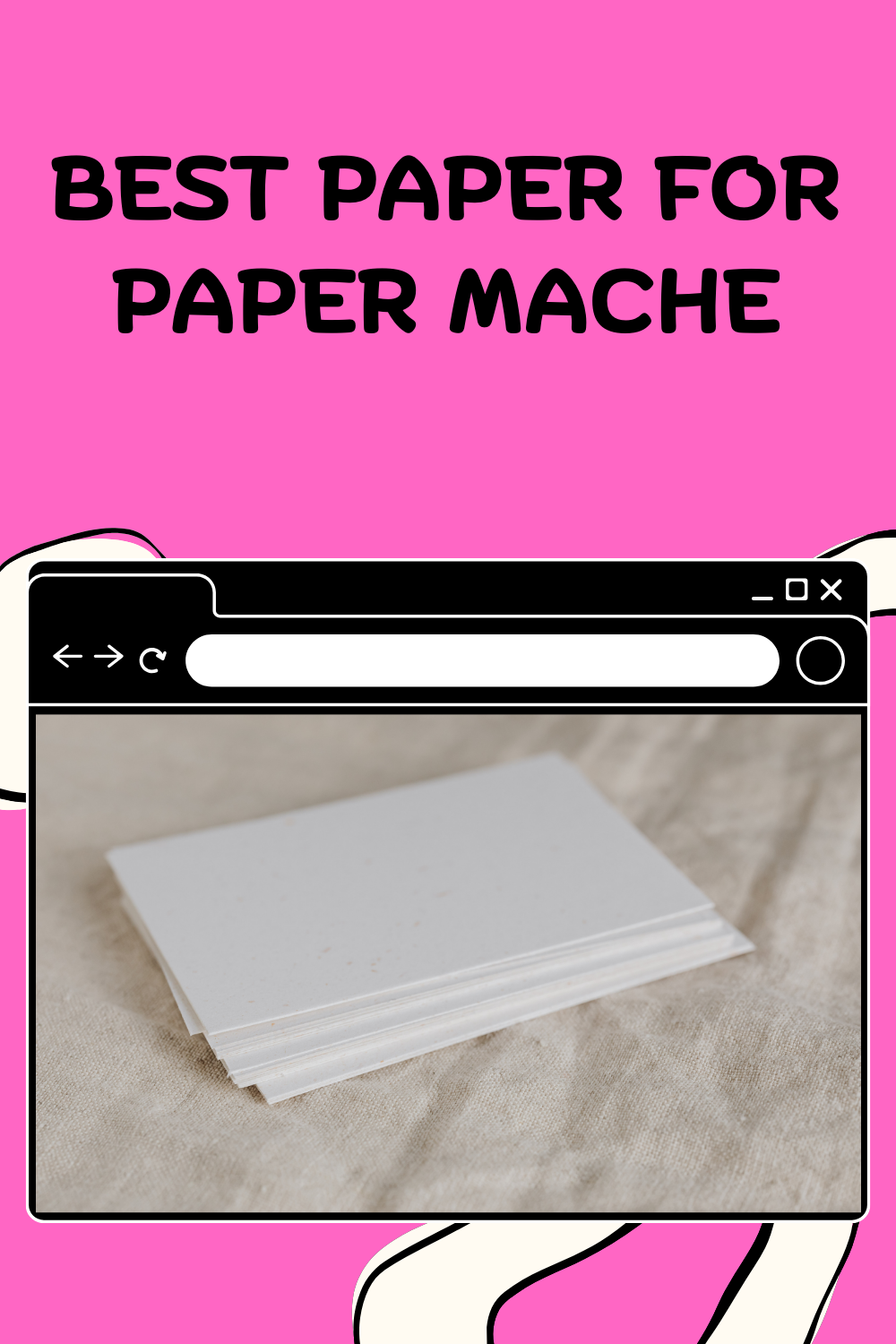
If you’re like me and have ever found yourself covered in paper pulp, glue, and glitter while making a paper mâché masterpiece, you know that choosing the right paper can make or break your project.
You want something that’s not only sturdy but also flexible enough to mold into your desired shape. Well, fear not, fellow crafter, this guide is here to help you find the perfect paper for your paper mâché needs. Let’s dive in!
| Product Image | Product Name | Features | Price |
|---|---|---|---|
 |
12 * 12 inch Packing Paper for Moving 100 Sheets | Lightweight & Durable. Safe & Clean. Eco-Friendly Choice. |
Check Price |
 |
70 Sheets Newsprint Packing Paper Sheets | Generous Size & Quantity. Recyclable and reusable material. Lightweight yet strong. |
Check Price |
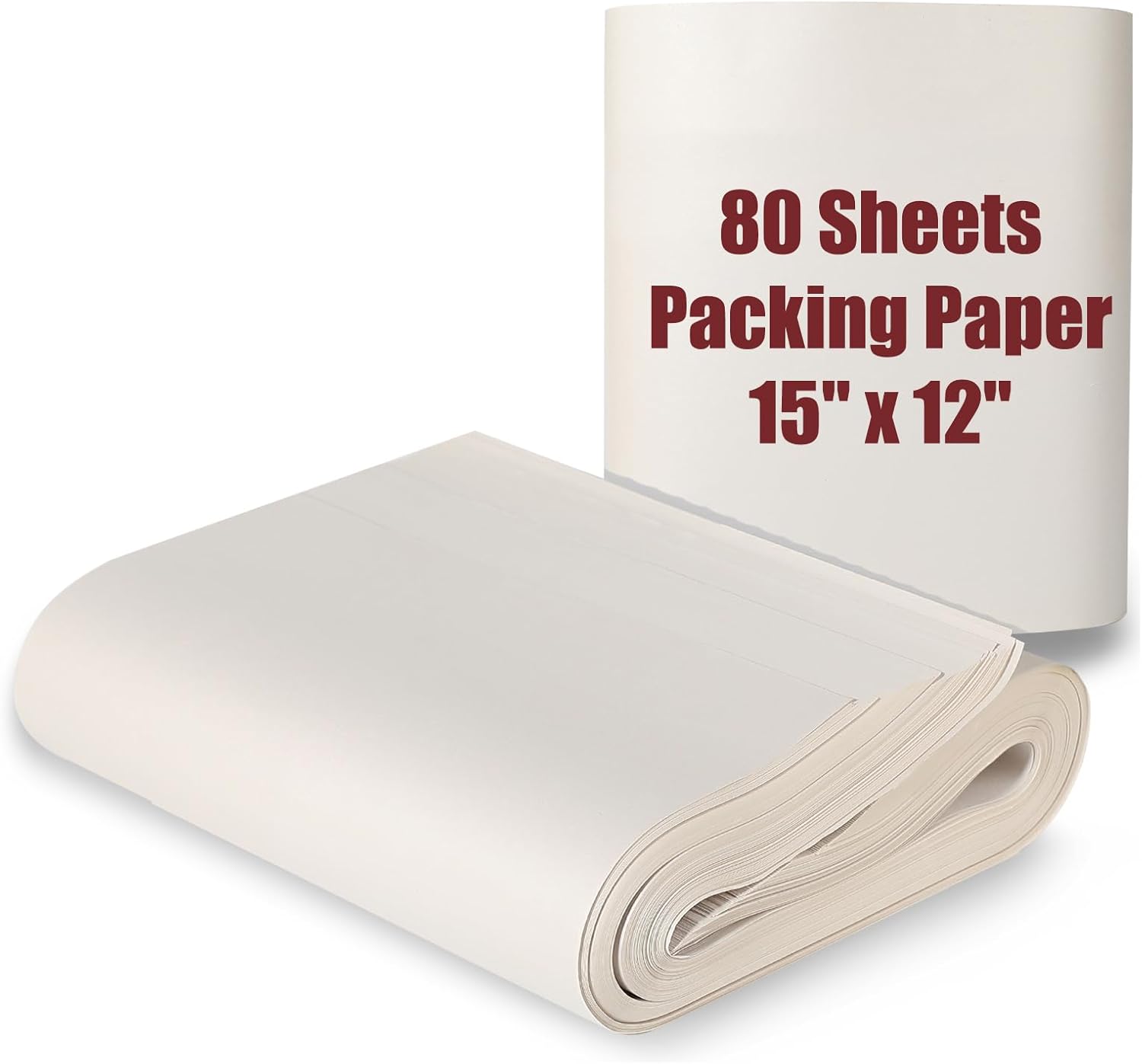 |
15″ x 12″ Packing Paper Sheets | Easy to Use. Made from natural wood pulp; acid-free, wax-free, and smear-free. Pre-cut 15″x12″ sheets with soft, smooth texture; no extra cutting required. |
Check Price |
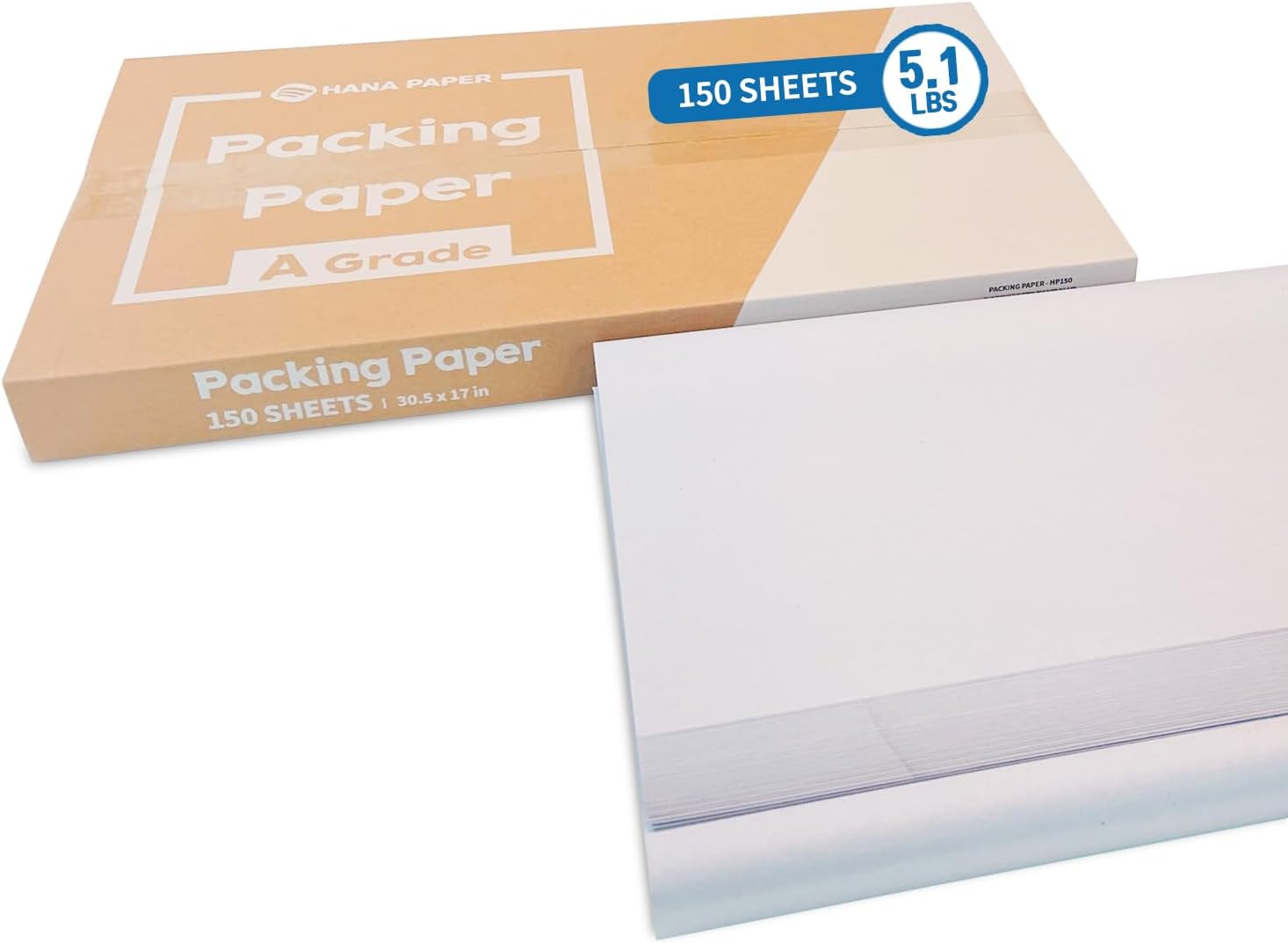 |
HANA PAPER 30.5″ x 17″ Large Size | Made from pure unprinted newsprint with no fillers or low-grade materials, ensuring durability and strength. Unlike traditional newspapers, these sheets contain no soybean ink, keeping hands and items stain-free. |
Check Price |
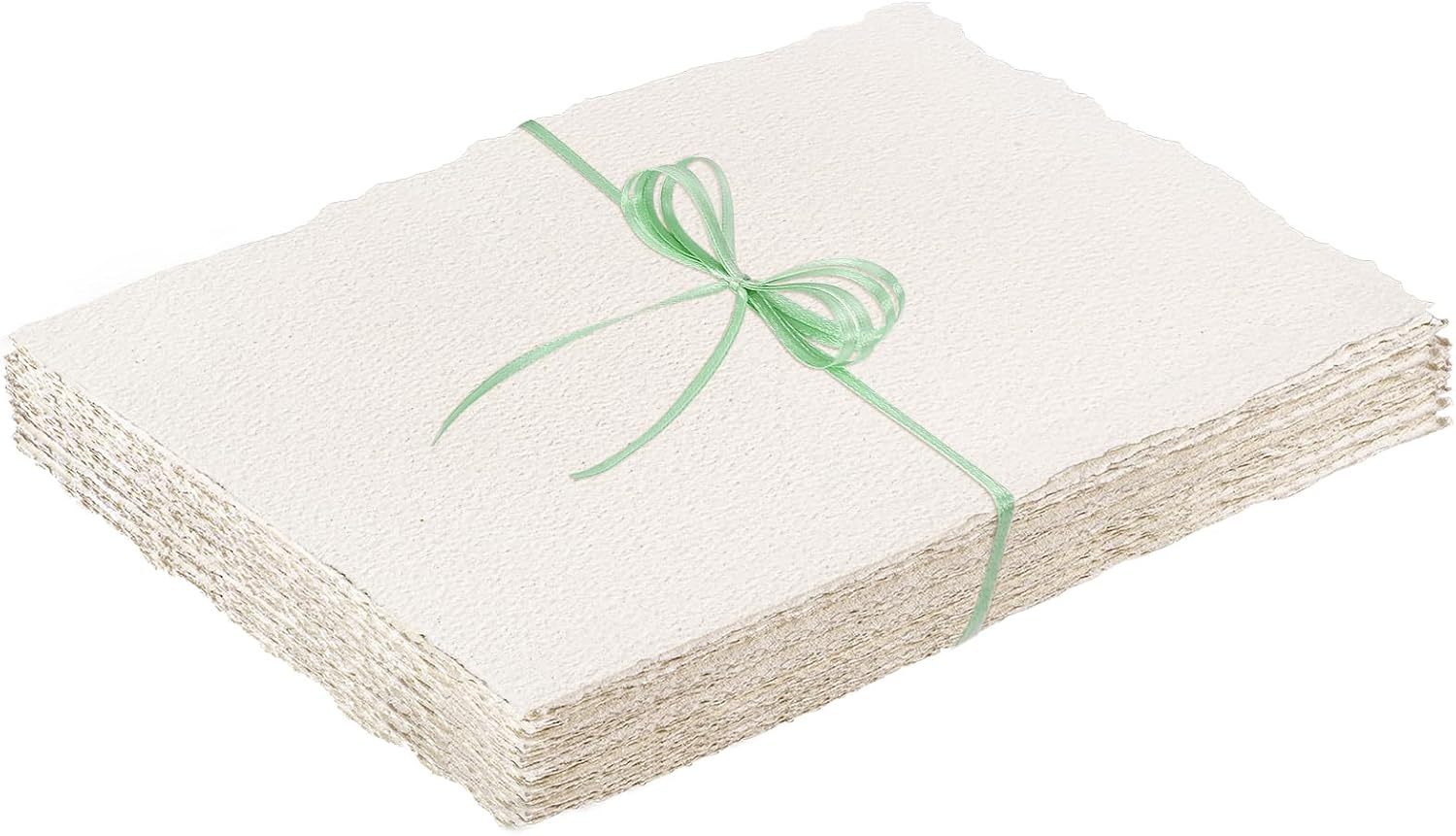 |
50 Sheets Deckled Edge Paper 4 x 6inch | Cold-pressed with deckled edges, offering a rough, textured surface for a vintage aesthetic. Durable & Thick. Compact Size, 4″x6″ sheets with 160gsm weight |
Check Price |
What Makes Paper Perfect for Paper Mâché?
First things first: What exactly makes a good paper for paper mâché? It’s simple, really. You need a paper that’s absorbent enough to soak up the glue, strong enough to hold its shape, and smooth enough for crafting fine details. When you’ve got that trifecta, you’re golden. Now, let’s break it down!
The Core Traits to Look for:
- Absorbency: Paper that absorbs glue well will help your creations stick together without falling apart. You need that good, messy bond!
- Strength: Ever had a project collapse mid-way? Trust me, it’s heartbreaking. A sturdy paper will ensure your piece doesn’t lose shape.
- Flexibility: The last thing you want is paper that’s too stiff. You need something that molds to curves and contours easily.
Okay, let’s move on and find you that perfect paper!
Best Types of Paper for Paper Mâché
1. Newspaper: The Crafting Classic
Ah, newspaper. It’s the old faithful of paper mâché. You probably remember your first project whether it was a globe, a mask, or some funky art piece and it was likely made from newspapers. But is it the best? Let’s dig into why it’s a top choice (and a few of its quirks).
Why Use It?
- Accessibility: You’ve got stacks of newspapers lying around, right? No need to run to the store. It’s cheap (free, if you already get the daily read).
- Absorbency: The ink might make things a bit messy, but the paper soaks up glue like a sponge, making your projects stick.
- Lightweight: It doesn’t weigh down your work, so it’s easy to shape and maneuver.
Downsides:
- Ink Smears: Depending on how much glue you use, ink can smudge, giving your work that “aged” look. So, unless you’re aiming for a vintage style, keep that in mind.
- Fragility: While it’s great for some structural projects, newspaper can be prone to tearing if you’re not gentle with it.
2. Tissue Paper: Delicate, Yet Durable
If you’re looking to add a bit of class (and maybe even a pop of color) to your paper mâché, tissue paper is an excellent choice. It’s not just for wrapping presents, folks it has a place in your creative toolbox too!
Why Use It?
- Smooth Finish: Tissue paper gives you a soft, smooth surface, perfect for delicate details.
- Vibrant Colors: Want to skip painting? Tissue paper comes in tons of fun colors. Just layer it up, and you’ve got a finished piece that’s visually appealing.
- Flexible: It’s easy to mold into shapes, making it perfect for intricate or smaller projects.
Downsides:
- Fragility: Tissue paper is thinner, so it requires more care during application to avoid tearing.
- Less Sturdy: If you’re building something large or need a solid base, tissue paper alone might not be enough. Use it in layers!
3. Brown Kraft Paper: Stronger Than You Think
Now, for something a little more heavy-duty: brown kraft paper. This paper has a bit more weight to it, making it an ideal choice for larger projects that require extra strength. Think of this as the “gym” version of your paper selection!
Why Use It?
- Durability: Brown kraft paper is strong and holds up better than newspaper or tissue paper for bigger projects.
- Eco-friendly: It’s usually made from recycled materials, so it’s a great option if you want to keep your crafting eco-friendly.
- Great Texture: It’s perfect for those rustic, earthy vibes you might be aiming for. Plus, the texture makes it fun to work with.
Downsides:
- Harder to Mold: While it’s durable, it’s also a bit stiffer. You might need to work a little harder to get the shapes you want.
- Plain Look: It’s not as exciting as colorful tissue paper. You might need to paint or decorate it after, which takes time (but totally worth it for the result).
4. Paper Towels: Strong, Absorbent, and Super Handy
Who would’ve thought that those paper towels you use to clean up messes would make an awesome crafting material? Well, they do! Paper towels are surprisingly strong, making them a solid option for your paper mâché projects.
Why Use It?
- Strong & Absorbent: They can hold up the glue and are sturdy enough for multiple layers without tearing easily.
- Textured Finish: The texture of the paper towels can give your project a unique, slightly rough finish that adds some charm.
- Easily Accessible: If you’ve got paper towels in your house (which, let’s face it, you probably do), then you’re all set.
Downsides:
- Texture Can Be Overwhelming: The rough texture can be a bit too pronounced if you’re going for a smooth finish, so plan to paint over it.
- Pricey: Paper towels can be a bit expensive if you’re doing a large project. Keep that in mind when stocking up.
5. Craft Paper (or Construction Paper): For Colorful, Fun Projects
Now, let’s talk about craft paper (or construction paper if you’re feeling nostalgic). This paper is more colorful and fun than your basic types, so it’s perfect if you want your project to stand out.
Why Use It?
- Color Variety: It’s available in all kinds of colors, making it a breeze to add color to your projects without painting.
- Sturdy Enough: While it’s not as heavy as brown kraft paper, it still holds up well for smaller projects and adds a great texture.
Downsides:
- Can Be Stiff: Sometimes, it can be a bit too rigid to mold perfectly, but that’s not a dealbreaker if you’re careful.
- Less Absorbent: It won’t soak up glue as well as newspaper or tissue paper, so you might need more layers to get the bond you need.
How to Choose the Best Paper for Your Project
So, now that you’ve got a few options, how do you decide which paper is the best for your specific project? It all comes down to a couple of factors:
- Size of the Project: If you’re going big, go for something sturdy like kraft paper or even multiple layers of newspaper. Smaller projects? Tissue paper and paper towels should do the trick.
- Detail Work: If you’re adding delicate details (like intricate designs or small features), tissue paper or newspaper is great for those fine details.
- Durability: For projects that need to last (like sculptures or outdoor items), go for kraft paper or paper towels.
- Personal Preference: At the end of the day, crafting is all about personal style. Pick what feels good to you! Whether it’s the texture, color, or the way the paper molds, trust your instincts.
Pro Tips for Crafting Paper Mâché with Your Chosen Paper
Alright, you’ve got your paper. Now, here are some quick tips to ensure that your paper mâché project is a success:
- Layer, Layer, Layer: The more layers, the stronger your project will be. Don’t be shy apply multiple layers to create a sturdy base.
- Let It Dry: Don’t rush. Drying time is crucial for solid results. Let each layer dry fully before applying the next.
- Use a Smooth Glue: I prefer using a basic glue-water mixture for paper mâché. It’s affordable and works wonders.
- Be Gentle: Paper can tear easily, so be gentle when handling it, especially when it’s wet.
Wrapping It Up: Your Paper Mâché Journey
Choosing the best paper for your paper mâché project doesn’t have to be hard it’s all about picking the right paper for your style, project size, and finish. From newspaper to tissue paper, each type brings something unique to the table, so have fun experimenting with different textures and colors. And who knows? Maybe you’ll discover a new favorite paper that makes your crafting life a little easier.
So, what’s your next paper mâché project going to be? Let me know! I’m always excited to hear about new creative ideas.