
If you’ve ever tried working with soft pastels, you know that finding the right paper can make or break your masterpiece. It’s like finding the perfect pair of shoes comfortable, supportive, and just the right fit.
But instead of feet, we’re talking about your artwork. So, what’s the deal with paper, and how do you find the best one for soft pastel drawing? Well, I’ve got you covered. Grab your pastels, and let’s dive into this art world dilemma together!
| Product Image | Product Name | Features | Price |
|---|---|---|---|
 |
Strathmore 400 Series Pastel Pad | Specially designed surface ideal for creating artwork with soft, oil, or chalk pastels. Ideally textured paper enhances pastel adhesion. Prevents yellowing over time, preserving the brilliance and longevity of your artwork. |
Check Price |
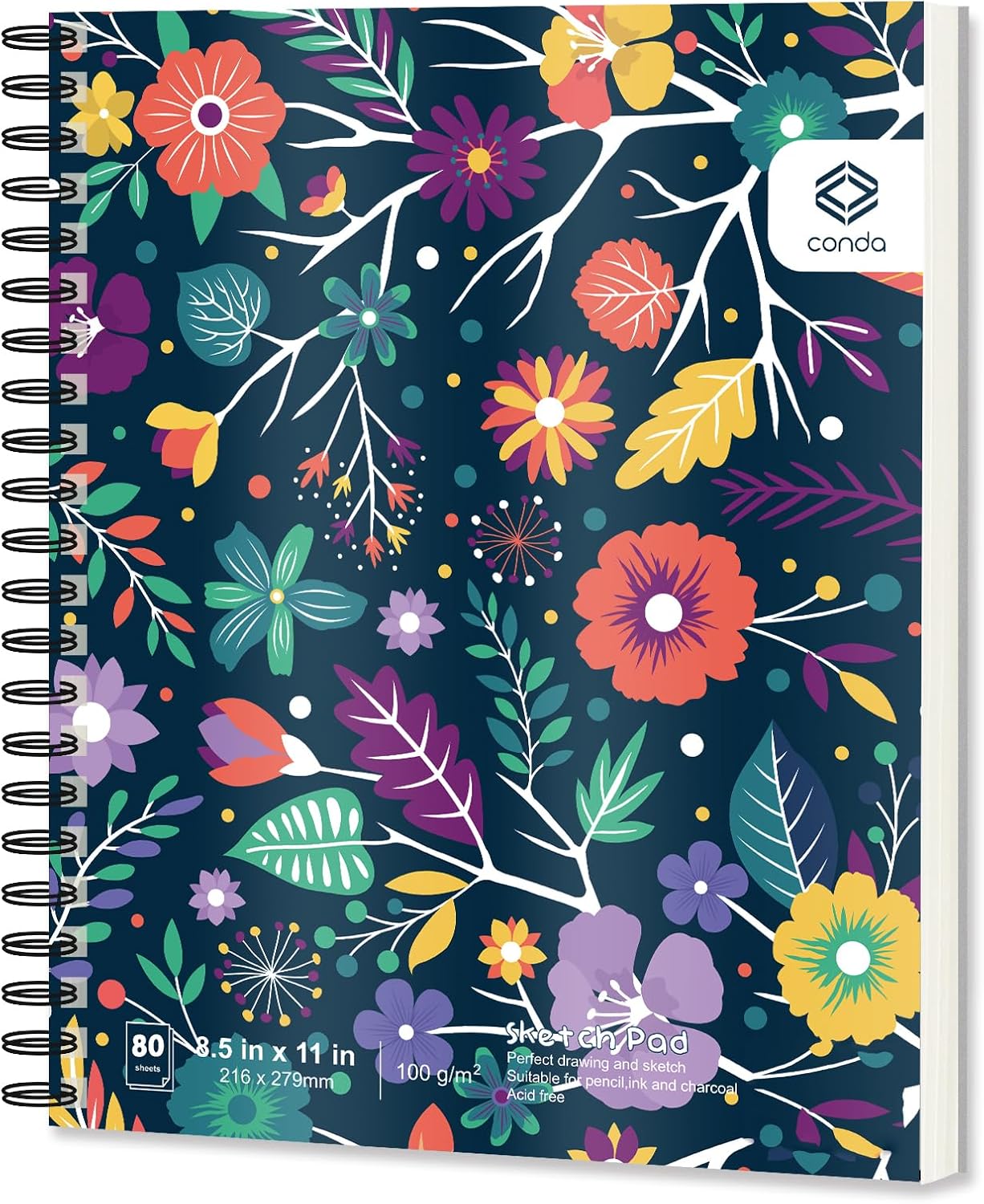 |
conda 8.5″x11″ Sketch Book | Pages flip smoothly, lay flat, and include perforated edges for clean removal. Textured, slick-smooth, and waterproof cover protects artwork while adding a premium feel. Preserves vibrant colors and prevents yellowing |
Check Price |
 |
SuFly Toned Paper Sketch Book | Micro-perforated sheets tear out cleanly, giving artwork a polished presentation. Double-wire binding ensures the sketchbook lies flat for seamless drawing across pages. 60 sheets per pad offer durability, performance, and eco-conscious artistry at an accessible price. |
Check Price |
 |
Canson Artist Series Mi-Teintes Pastel Paper | Recognized globally as a preferred choice for pastel, drawing, and paper craft projects. Made with 50% cotton fibers for strength, resilience, and a professional-grade feel. Special sizing enhances durability. |
Check Price |
 |
Strathmore 300 Series Charcoal Paper Pad | Prevents yellowing and preserves artwork for long-term storage and display. Offers the right balance for both detailed lines and expressive strokes. Lightweight pad makes it easy to carry for sketching on the go. |
Check Price |
 |
Uart Sanded Pastel Art Paper | Choose from several grades to match your artistic style and project needs. Off-white sheets designed to maintain vibrancy and integrity for years. Optimized for pastels, colored pencils, and charcoal, offering smooth blending and layering |
Check Price |
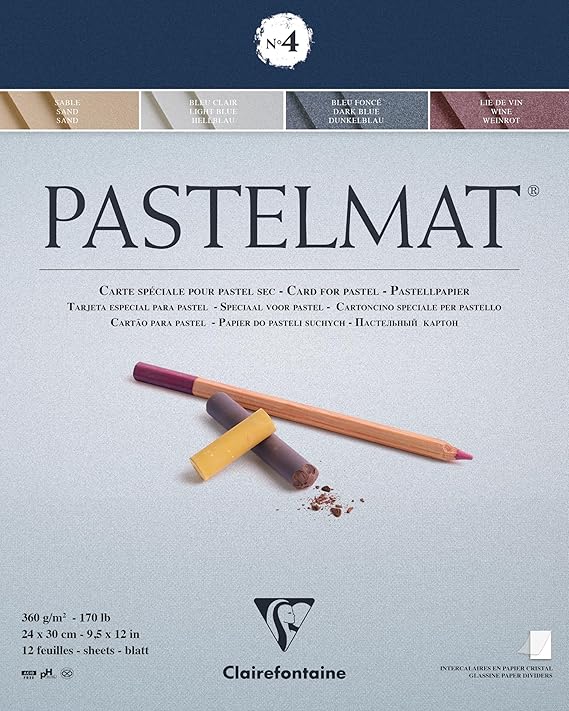 |
Clairefontaine 24 x 30 cm Pastelmat Glued Pad | 360gsm heavyweight card designed specifically for pastel techniques. Spacer sheets between each page safeguard artwork from smudging or damage. Acid-free and pH neutral to preserve artwork vibrancy and prevent deterioration over time. |
Check Price |
Why Paper Matters for Soft Pastels
You might be wondering: Why can’t I just use any paper? It’s just a drawing, right? Well, yes and no. Soft pastels are different from regular pencil or ink. They’re rich, vibrant, and (let’s face it) a bit messy.
So, to get the best out of your pastels, you need paper that holds onto all that pigment. And let’s not forget texture! The paper’s surface plays a huge role in how your pastels behave whether they’ll blend smoothly, whether they’ll sit nicely without smudging, or if your colors will just look… flat.
Key Features to Look for in Pastel Paper
Before we get into specific paper recommendations (don’t worry, I’m not leaving you hanging), let’s go over what makes paper great for pastels.
1. Tooth (Texture)
The texture of the paper, often referred to as “tooth,” is probably the most important factor. The tooth creates tiny grooves on the surface, allowing the pastel to grab onto the paper. If you like your pastels to blend smoothly, you’ll want a moderate tooth. Too much tooth, and your pastels won’t blend well. Too little, and the pastels will just slide off. It’s all about balance.
2. Weight and Thickness
Soft pastel art can get pretty heavy with layers of pigment. So, your paper needs to be thick enough to handle it without buckling or tearing. Look for paper with a weight of at least 190 gsm (grams per square meter). Anything thicker is a bonus, especially if you’re layering multiple colors.
3. Acid-Free
I know, this sounds like one of those art terms that might make you roll your eyes, but trust me on this. Acid-free paper ensures that your artwork won’t yellow or deteriorate over time. If you want your pastel drawings to last, this feature is a must.
4. Color
Although it’s not as crucial as texture or weight, the color of your paper can affect how the pastels appear. Lighter papers can make colors pop, while darker papers create rich contrasts and more dramatic effects.
Choosing the Right Paper Based on Technique
Okay, so now we have the papers, but here’s the thing: what’s your style? Every artist has a different technique. So, depending on whether you’re into smooth gradients or textured strokes, you’ll need to choose the paper accordingly.
For Smooth Blending:
If you’re all about creating those smooth, soft transitions with pastels, you’ll want a paper with a fine-to-medium texture. Canson Mi-Teintes or Strathmore 400 will suit your needs perfectly, allowing your pastels to blend without the paper feeling too rough.
For Heavy Layering:
If you love building up lots of layers (I’m talking about a nice thick coat of color), then UArt Sanded Paper should be your go-to. The rough texture will give your pastels something to cling to, allowing you to create rich, detailed work with multiple layers.
For Textured Work:
Sometimes, a little texture is what you need to give your drawing that unique look. If you’re aiming for that effect, Fabriano Tiziano might just be the perfect match. It’s subtle but gives that extra bit of “wow” without feeling too extreme.
How to Take Care of Your Pastel Paper
Now that we’ve sorted through the best options, let’s talk maintenance. Soft pastels are gorgeous, but they can be a bit messy. You’ll want to take care of your paper and your artwork to ensure it lasts.
- Fixative: Use a fixative to prevent smudging, especially for those heavier layers. It’s like setting your masterpiece in stone (but without making it permanent).
- Avoid Overworking: Don’t overdo it. If you’re layering too many times, your paper might start to break down. Be gentle with the layers, and know when to stop.
Conclusion
There you have it! Whether you’re into soft blending or love to go full throttle with heavy layers, there’s a paper out there that’s just waiting for you to bring your pastel art to life.
Remember, the best paper for soft pastels really depends on your technique and the effects you want to achieve.
And hey, if you’re still undecided, why not experiment with a few different options? That’s the fun part, after all! So, grab your pastels, pick up a sheet of your new favorite paper, and get started. Who knows? Your next pastel masterpiece could be just one layer away.
Happy drawing! 🙂