Amigurumi can expose every little weakness in a yarn. A strand that feels perfectly pleasant in a scarf may split every time a small hook enters a tight stitch, while a beautifully fluffy yarn can hide the stitch tops so completely that counting rounds becomes frustrating. The finished toy also asks more from the yarn than many flat projects do: the fabric has to contain stuffing, hold shaping, keep embroidered details neat, and survive handling without losing the character’s form.
That is why choosing yarn for amigurumi is less about finding the softest skein on the shelf and more about matching fiber, thickness, twist, surface texture, and color behavior to the kind of figure you want to make. A small doll with fingers, ears, and facial shaping usually benefits from a smooth yarn with clear stitch definition. A large bear or pillow-like animal can make much better use of chenille, where softness and scale matter more than seeing every individual stitch.
I would start with the finished result you want in your hands. Once you know whether the goal is crisp and sculpted, soft and plush, tiny and detailed, or large and cuddly, the yarn choice becomes much easier to judge.
What Makes Yarn Behave Well in Amigurumi
Amigurumi fabric is deliberately denser than most garments. The hook is commonly smaller than the one you might choose for a drapey scarf because the stitches need to sit close enough together that polyester stuffing does not peek through. That does not mean the smallest possible hook is automatically better. The useful target is a firm fabric that closes the gaps without making your hands fight every stitch.
Stitch definition matters more than it first appears
On a small crocheted figure, each stitch becomes part of the sculpture. Increases widen the head, invisible decreases narrow the body, and carefully placed color changes create clothing, markings, or facial features. Smooth cotton and cotton-acrylic yarns make those structural decisions easy to see because the surface does not hide the loops.
Clear definition also makes counting less stressful. If you can identify the front and back loops quickly, it is easier to find the next stitch after an increase, confirm that a decrease landed where the pattern intended, and place a marker without pulling apart a fuzzy halo. This is one reason smooth yarns remain dependable for detailed dolls and small animals.
Chenille works differently. Its pile covers the core strand, so the eye reads a plush surface rather than individual V-shaped stitches. The result can be wonderfully soft, but you often crochet more by feel. For a large plush figure that can be a good trade. For a tiny pattern with many shaping changes, it can slow you down.
Twist and splitting affect every round
A yarn can be soft and still be annoying if the plies separate under the hook. Tight amigurumi tension increases that risk because the hook enters stitches at a steeper angle and with more resistance than it would in loose fabric. Each time the hook catches only part of the strand, you have to stop, back out, and try again.
A relatively smooth, coherent strand is easier to control. Cotton-acrylic blends such as YarnArt Jeans are popular for this reason: they combine the dry definition of cotton with some of the softness and resilience of acrylic. Mercerized cotton, such as Circulo Amigurumi, gives even clearer surface definition and a slightly more polished appearance.
Plush chenille does not split in the same way because its construction is different, but it introduces another concern: the fluffy pile can sometimes strip away from the core if the yarn is pulled aggressively, especially during a very tight magic ring. With chenille, firmness should come from appropriate hook size and steady tension rather than yanking the starting ring as hard as possible.
Fiber changes the feel and the structure
Cotton has very little spring compared with many synthetic fibers. That helps a crocheted figure hold crisp shaping, but it also means tight stitches can feel firmer in the hands. Mercerized cotton tends to look smooth and defined, making it especially useful when tiny details need to remain visible.
Acrylic is lighter and usually has more give. It is widely available, often easy to wash, and practical when a pattern needs many colors. A light acrylic yarn can make a structured toy without the dense, slightly weightier feel of all-cotton fabric.
Cotton-acrylic blends sit between those two behaviors. They keep much of cotton’s stitch clarity while adding a little softness and flexibility. For many small and medium amigurumi figures, that balance is easy to live with.
Polyester chenille is the plush option. It produces volume quickly and feels soft enough for huggable toys, but the fuzzy surface can obscure precise shaping. A plush yarn also creates a much larger figure from the same stitch count than a fine or sport yarn, so it is not a direct substitute if finished dimensions matter.
Yarn weight determines scale, not quality
A finer yarn does not make a better toy simply because it can show detail. It makes a smaller toy at a given stitch count. Likewise, bulky yarn is not inherently easier; it simply produces a larger stitch and a larger finished piece.
Sport and light yarns are useful for fingers, horns, tiny clothing, facial shaping, and compact dolls because the stitch size stays small. Bulky tubular yarns and chenille are better suited to larger animals, pillows, simplified shapes, and pieces designed to be hugged.
Changing yarn thickness without changing the pattern changes the finished dimensions substantially. If you move from sport yarn to bulky chenille, expect a larger figure and more stuffing. If you move in the opposite direction, small openings and limbs can become fiddly enough that the original construction method may no longer feel practical.
Color behavior can help or hide the design
Solid colors are easy to control because you decide exactly where every visible change happens. They are particularly useful for faces, hands, shoes, stripes, and any design in which the pattern depends on a clean boundary between shades.
Variegated yarn creates its own rhythm. YarnArt Jeans Splash, for example, changes color within the strand. That can make a simple body look lively without joining multiple balls, but the color sequence may place a dark patch across a face or make embroidered features less obvious. Variegation is usually easiest to use on larger body sections, clothing, tails, wings, or decorative figures where exact color placement is not critical.
| Product Image | Product Name | Features | Price |
|---|---|---|---|
 |
JubileeYarn Amigurumi Select Yarn | Includes 4 skeins per pack; each skein weighs 50g and measures 125 yards (115m). Soft, durable, and versatile fiber suitable for a wide range of projects. Resistant to shrinking and fading; no ironing or bleaching required. Smooth texture makes it easy to work with for both knitting and crochet projects. |
Check Price |
 |
Estako Velvet Chenille Blanket amigurumi Yarn | Made of 100% polyester for durability, softness, and long-lasting performance. Each skein weighs 100g and measures 120m (132 yards), ideal for medium to large projects. Suitable for US 10.5 (6.5mm) knitting needles and US 7 (4.5mm) crochet hooks. |
Check Price |
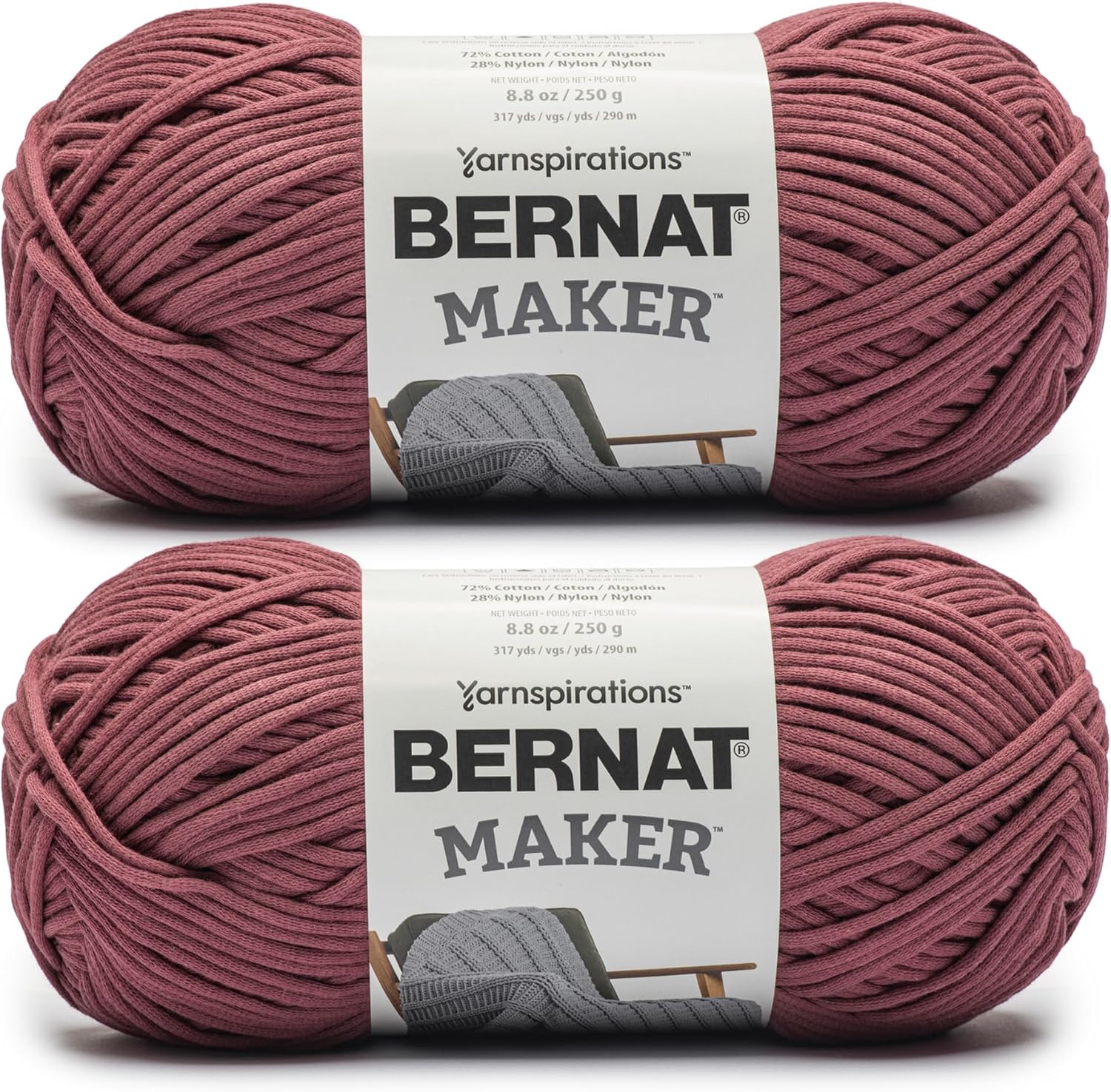 |
Bernat Maker JAM Yarn | Made of 72% cotton and 28% nylon for softness, durability, and flexibility. Each ball weighs 250g (8.8 oz) and measures 290m (317 yards), ideal for large projects. Perfect for blankets, pillows, rugs, fashion garments, baby items, and home décor projects. |
Check Price |
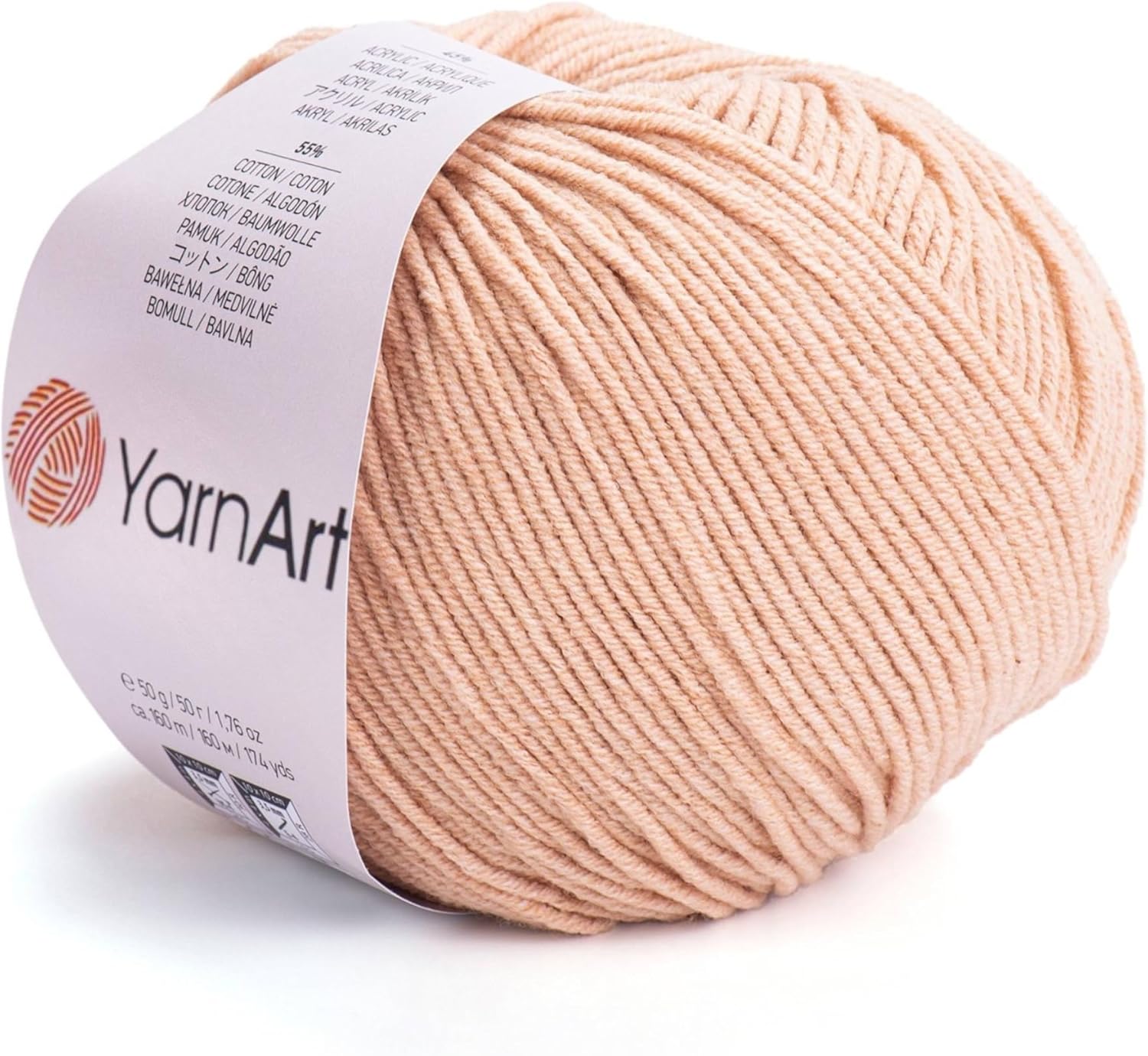 |
YarnArt Cotton Blend Amigurumi Yarn | 55% cotton and 45% poliacrylic for softness, durability, and easy handling. Ensures even stitches, perfect for summer wear and delicate designs. Great for punch embroidery, clothing, accessories, and decorative crafts. |
Check Price |
 |
MOJADREAM 3PCS 3.5oz Chenille Yarn for Blankets Amigurumi | Incredibly plush and gentle, perfect for baby blankets, amigurumi toys, and cozy projects. Each skein weighs 100g (3.5 oz) with a thickness of 4.5mm, ideal for warm, substantial creations. Maintains softness and fluffiness after washing without losing shape or color. |
Check Price |
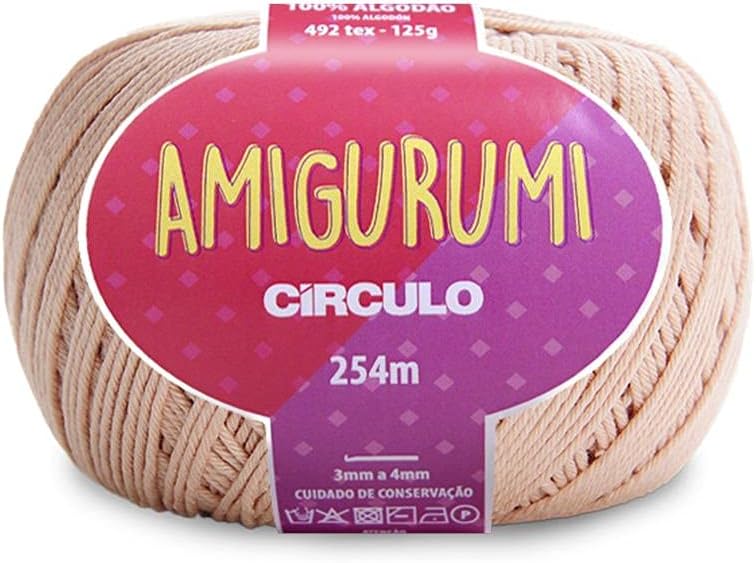 |
Circulo Amigurumi Yarn | Safe for sensitive skin, ideal for baby blankets, garments, amigurumi toys, and accessories. 3mm yarn thickness provides structure while remaining flexible for detailed designs. Each ball weighs 125g (4.4 oz) and measures 278 yards (254m), perfect for medium to large projects. |
Check Price |
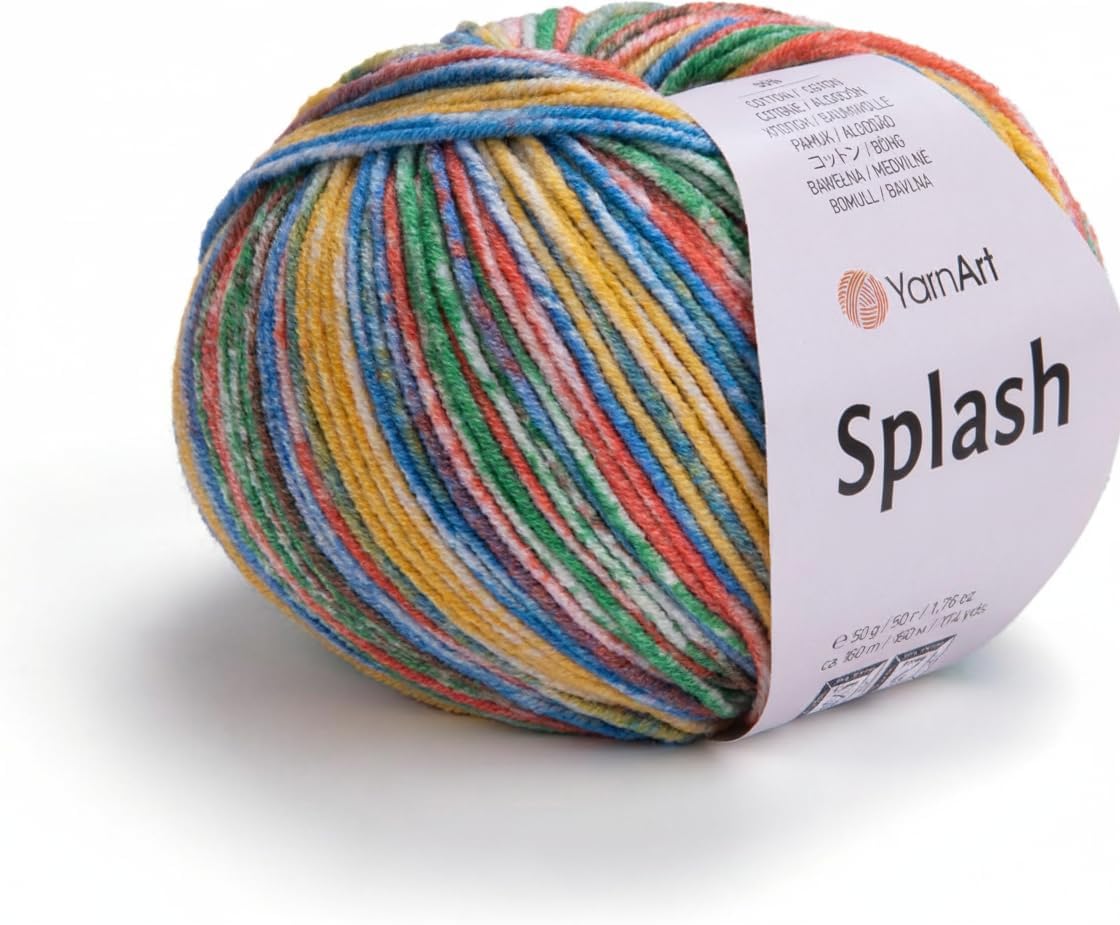 |
YarnArt Splash Variegated Sport Yarn | Made of 55% soft cotton and 45% durable polyacrylic for breathability, resilience, and structure. Perfect for summer garments, airy shawls, decorative items, and lightweight blankets. Smooth fibers ensure easy handling, consistent stitches, and professional results. |
Check Price |
What to Check Before You Choose a Skein
A product label gives useful numbers, but amigurumi needs a little more interpretation. Yardage, fiber content, and recommended hook size tell you what the yarn is; they do not automatically tell you how it will behave in a tightly stuffed three-dimensional figure.
Match the yarn to the pattern’s intended scale
If the pattern specifies a particular yarn weight, staying close to that weight is the safest way to preserve proportions. You can still use a different fiber, but changing from a fine cotton blend to super-bulky chenille will enlarge every part of the toy. A head that was designed to sit neatly on a narrow neck may become much heavier, while tiny arms may become thick cylinders.
When intentionally resizing a design, make a small test piece first. Even a simple six-round sphere can tell you whether the fabric feels too stiff, whether stuffing shows through, and whether you can comfortably insert the hook at your chosen tension.
Do not choose hook size from the label alone
The manufacturer recommendation is normally aimed at a general fabric, not necessarily at stuffed toys. I know it’s tempting to treat that number as a fixed rule, but amigurumi often needs a smaller hook so the stitches sit more closely together. How much smaller depends on the yarn, your personal tension, and the density of the stuffing.
Start with the pattern recommendation when one is given. If the pattern does not specify a hook, make a test swatch or small sphere and inspect it under slight stretch. If white stuffing becomes visible between ordinary single crochet stitches, the fabric is too open for the way you are stuffing it.
Do not compensate by pulling every stitch painfully tight. A slightly smaller hook often creates a neater result with less hand strain than extreme tension on a larger hook.
Think about how much handling the toy will receive
A shelf figure and a child’s cuddle toy have different needs. Decorative work gives you more freedom to use delicate surfaces or complex color effects. A frequently handled toy benefits from yarn that keeps its surface tidy and can be cleaned according to the care instructions.
For washable projects, check both the yarn label and the other materials inside the toy. Stuffing, squeakers, rattles, wire, glued details, and safety eyes may have different care requirements. The finished object should be maintained according to its most delicate component.
Check whether you need exact color repeats
Character work often uses small amounts of many shades. A broad color range is useful because you may need skin tones, eye colors, clothing colors, neutrals, and one very specific accent. JubileeYarn’s Amigurumi Select line, YarnArt Jeans, and Circulo Amigurumi all give you broad solid-color options.
Variegated yarn is different. You are buying a sequence rather than one uniform shade. If you need two arms or two ears to look closely matched, you may need to find the same point in the color repeat before starting the second piece.
Consider the surface before you consider softness
Very soft yarn can still be the wrong choice for a tiny figure. Run the strand between your fingers and look at how clearly you can see its edges. A smooth strand makes it easier to insert the hook accurately and sew parts together with controlled stitches.
A plush strand makes the seam disappear beautifully, but the same pile can make counting difficult. Decide whether you want the yarn to show the crochet structure or hide it. That single choice separates many successful smooth-yarn projects from successful chenille projects.
JubileeYarn Amigurumi Select Yarn — Light Acrylic for Color-Heavy Characters
JubileeYarn Amigurumi Select is a 100% acrylic yarn sold in four-skein packs, with each skein listed at 50 grams and 125 yards. Current retail information places it in the light/DK range and offers many solid shades as well as coordinated color packs. That format makes sense for amigurumi because small figures often need several colors without requiring a full large ball of each one.
The light thickness is the main practical advantage. It keeps stitches small enough for facial shaping, paws, ears, clothing edges, and other details that can look oversized in bulky yarn. Acrylic also gives the fabric some flexibility, so a tightly crocheted body can feel firm without becoming as rigid as a densely worked all-cotton piece.
For a beginner, the smoother surface is useful because the stitch tops remain visible. You can see the V of each single crochet, identify increases, and place a marker with less guesswork than you would face with fuzzy chenille. That visibility becomes particularly helpful when a pattern asks you to crochet through one loop only or work several decreases in a shaping round.
The four-skein pack can also be efficient for multi-color designs. If you are making small food characters, dolls with clothing, or animals with contrasting ears and muzzles, coordinated packs reduce the amount of leftover yarn. The line is not limited to packs, though, so a larger character project may still require checking how much of the dominant shade you need.
Current care information lists machine washing in cold water and delicate tumble drying or drying flat in shade. That is convenient for a toy yarn, but the completed amigurumi should still be washed according to the most delicate material used in the finished figure.
Key Features in Practical Terms
The 100% acrylic construction keeps the yarn relatively light and gives the crocheted fabric a little more spring than pure cotton. That can make extended rounds easier on the hands, especially when the pattern is worked firmly.
The light/DK-style thickness is well suited to compact figures and detailed shapes. It will not create the huge, pillow-like scale of chenille, which is an advantage when you want small proportions and a tidy face.
The four 50-gram skeins per pack make multi-color work easier to plan. You can build a palette without buying four large balls that may leave substantial leftovers.
The wide color selection matters for character accuracy. Amigurumi often depends on several close shades, and having access to both bright and muted colors is more useful than a yarn that offers only a few general tones.
- Small stitches stay readable. The smooth acrylic surface makes it easier to count rounds, locate increases, and sew pieces together neatly.
- The light weight supports detailed shaping. Small ears, limbs, clothing, and facial areas do not become disproportionately bulky.
- Four-skein packs suit multi-color projects. They can reduce waste when the pattern needs several accent colors in modest amounts.
- Easy-care acrylic is practical for handled toys. The yarn itself is listed for cold machine washing, subject to the needs of the finished toy’s other components.
- It does not create the plush, velvety finish of chenille. If the goal is an oversized cuddle toy with a furry surface, a smooth light acrylic will look more traditionally crocheted.
Who It’s Best For
This yarn makes the most sense for crafters building small or medium figures with several colors and visible stitch detail. It is especially useful for dolls, food characters, mini animals, and projects where clean shaping matters more than a fuzzy surface.
Not Ideal For
Choose something thicker if the pattern is designed around giant plush proportions or if you specifically want the crochet texture hidden beneath a soft pile. Using this light yarn for a pattern written for bulky chenille would produce a much smaller figure.
Estako Velvet Chenille Blanket Amigurumi Yarn — Plush Polyester for Soft, Rounded Toys
Estako Velvet is a very different kind of amigurumi yarn. The manufacturer describes it as 100% polyester chenille in a super-bulky weight, with 100 grams providing about 132 yards. Its surface is a dense velvety pile rather than a clearly twisted smooth strand, so the finished toy looks soft and plush almost immediately.
That surface is useful when the goal is a teddy bear, bunny, dinosaur, pillow-like animal, or other large piece designed for hugging. Each stitch carries more visual volume than a sport-weight cotton blend, allowing a relatively simple pattern to create a substantial toy quickly.
The trade-off is stitch visibility. The same velvet pile that creates softness can cover the V-shaped stitch tops. If you normally count by looking, you may need to slow down and feel for the next opening with the hook. A locking stitch marker becomes much more valuable because finding the first stitch of a round after the fact is harder in chenille.
Estako currently lists a 4.5 mm crochet hook for this yarn, although amigurumi tension may call for adjustment depending on the pattern and your hand. The important test is whether the fabric closes around the stuffing without becoming so tight that the chenille core is stressed.
The manufacturer also describes the yarn as machine washable and lists it as OEKO-TEX Standard 100 certified. Those are useful traits for frequently handled items, though the completed toy’s care still depends on every component used inside and outside the fabric.
Key Features in Practical Terms
The 100% polyester chenille pile produces a soft surface that hides much of the ordinary crochet texture. That creates the rounded plush look many larger amigurumi patterns are designed around.
The super-bulky scale works up quickly. A head or body can gain size with far fewer rounds than it would require in fine yarn, which is useful for large gifts and display pieces.
The 100-gram, 132-yard ball format gives enough material for meaningful sections of a plush project without making each ball extremely large. Color changes are still manageable if your figure uses contrasting limbs, clothing, or accents.
The machine-washable care guidance is practical for toy making. Keep in mind that chenille often looks best when washed gently and handled in a way that protects the pile.
- The finished surface is genuinely plush. The chenille pile creates a soft, rounded look that smooth yarn cannot imitate.
- Large toys grow quickly. Super-bulky stitches cover more area, so simplified figures can be completed with fewer rounds.
- Seams tend to disappear into the pile. Attaching arms, ears, and tails can look forgiving because the fuzzy surface softens small irregularities.
- The yarn is purpose-suitable for cuddly amigurumi. Estako explicitly identifies amigurumi among the projects suited to this Velvet line.
- Stitch counting is harder than with smooth yarn. The pile hides stitch tops, so beginners who rely heavily on visual counting may find it slower at first.
Who It’s Best For
Estako Velvet suits makers who want large, soft animals and plush-style figures rather than tiny sculpted dolls. It is also a sensible choice when you want the yarn surface itself to provide most of the visual softness.
Not Ideal For
It is not the easiest choice for miniature fingers, tiny colorwork, sharply defined facial shaping, or patterns that depend on seeing every stitch. Smooth sport or light yarn gives far more control at that scale.
Bernat Maker JAM Yarn — Tubular Cotton-Nylon Structure for Chunkier Shapes
This Bernat option stands apart because of its tubular construction. Current Bernat specifications for the matching Maker yarn list a 72% cotton and 28% nylon blend, a bulky #5 weight, and a 250-gram ball with about 317 yards. Instead of behaving like a traditional spun yarn with visible plies, the strand has a smooth tube-like body.
For amigurumi, that structure creates exceptionally clear, modern-looking stitches. There is very little fuzzy halo to obscure shaping, so increases and decreases remain visible even at a larger scale. The cotton content contributes a dry, substantial hand, while nylon gives the tube flexibility and strength.
Because it is bulky, this is not a direct stand-in for a fine cotton yarn. A pattern worked at the same stitch count will become much larger. That can be useful for simple animals, baskets with faces, oversized dolls, or decor pieces where you want a clean shape without the fuzzy appearance of chenille.
Bernat’s current Maker Home Dec guidance lists an 8 mm hook for standard crochet gauge. Amigurumi typically uses denser fabric than home decor, so the pattern and a test section should guide the actual hook choice. The tubular strand is already substantial; trying to force it through an excessively small hook can make the fabric rigid and tiring to work.
The yarn is listed as machine washable in cool water and should be dried flat. That combination makes it more practical than a delicate hand-wash-only yarn for figures that may need occasional cleaning.
Key Features in Practical Terms
The 72% cotton and 28% nylon blend combines cotton’s clear surface with nylon’s flexibility. The resulting tube has more body than a conventional light yarn without the fuzzy pile of chenille.
The bulky #5 weight creates large, visible stitches. This makes it useful for projects where scale is part of the design rather than something to minimize.
The tubular construction helps the strand resist the visual splitting that can happen with loosely plied yarn. Your hook enters a defined tube rather than separating several exposed plies.
The large 250-gram ball is convenient for a big single-color body because you can work for longer without joining a new ball. That is especially helpful when an amigurumi pattern has a large torso or head.
- Stitches have a clean, contemporary look. The tubular strand produces strong definition without a fuzzy halo.
- The bulky weight suits oversized figures. It creates more visual scale without relying on a plush chenille surface.
- A large ball reduces joins. Long continuous sections are easier to complete without introducing extra tails inside the toy.
- Cotton and nylon balance firmness with flexibility. The finished fabric can feel substantial while still bending around three-dimensional shapes.
- It can make small patterns unexpectedly large and firm. Fine details may lose proportion if the design was written for sport or DK yarn.
Who It’s Best For
This is a strong fit for crafters making larger modern amigurumi with smooth, clearly defined stitches. It also suits home-decor figures where a structured surface is more important than velvety softness.
Not Ideal For
Avoid it when the design depends on very small limbs, miniature facial features, or delicate clothing. The bulky tube simply occupies too much space for those details to remain fine.
YarnArt Cotton Blend Amigurumi Yarn — Balanced Stitch Definition for Detailed Figures
YarnArt’s widely used Jeans line matches the cotton-acrylic formula associated with this amigurumi option: 55% cotton and 45% acrylic, 50 grams per ball, and about 160 meters or 174 yards. YarnArt classifies Jeans as a fine/sport-weight yarn and recommends a 3.5 mm crochet hook for general use.
That blend is particularly well suited to amigurumi because neither fiber dominates too aggressively. Cotton keeps the stitch shape visible and helps the fabric feel stable. Acrylic softens the hand and adds a little flexibility, making tight single crochet less unforgiving than some pure cotton yarns can feel.
The 50-gram ball size is also practical for character work. Many patterns use a dominant body color plus several smaller accent shades. Smaller balls make it easier to build a color collection without accumulating huge leftovers after every project.
YarnArt markets Jeans specifically for amigurumi as well as baby garments and other crochet projects. The line includes a broad palette of solids, which matters when a design needs close skin tones, natural animal colors, or multiple shades within one outfit.
For sewing pieces together, the smooth surface is another advantage. The yarn needle can pass through defined stitches, and the joining yarn sits neatly against the crocheted surface instead of disappearing unpredictably into fluff. That makes placement easier when you need two ears or limbs to look symmetrical.
Key Features in Practical Terms
The 55% cotton and 45% acrylic blend gives good stitch definition without the very firm feel of dense pure cotton. It is a middle-ground construction that works for many ordinary amigurumi patterns.
The fine/sport weight supports detailed shaping. Small limbs, snouts, ears, and clothes remain proportionate rather than becoming oversized simply because of yarn thickness.
The 160-meter length in a 50-gram ball gives efficient yardage for a relatively small package. You can keep many colors on hand without requiring large storage space for every shade.
The 3.5 mm general hook recommendation provides a useful reference point, but amigurumi patterns may use a smaller hook to close gaps around stuffing. Testing your own tension remains important.
- The cotton-acrylic blend is easy to control. It combines clear stitch edges with enough softness to make tight rounds comfortable for many hands.
- Fine weight supports intricate shaping. Detailed faces, small paws, clothing, and accessories stay visually balanced.
- The broad color line suits character work. It is easier to find coordinated solids for complex designs.
- The smooth surface helps with assembly. Sewing limbs and features onto exact stitches is easier when the fabric remains clearly readable.
- It will not give a plush, furry finish. The finished toy looks distinctly crocheted, which may not suit patterns designed around chenille softness.
Who It’s Best For
YarnArt’s cotton-acrylic option suits makers who want a versatile everyday yarn for small and medium amigurumi, especially figures with shaping, clothing, stripes, or embroidered detail.
Not Ideal For
Choose a chenille yarn instead if the primary goal is a thick, velvety cuddle toy. This smooth sport yarn is much better at showing structure than hiding it.
MOJADREAM 3PCS 3.5oz Chenille Yarn — Thick Velvet Texture for Fast Plush Projects
MOJADREAM’s three-skein chenille set is built for the same broad plush style as Estako Velvet, but its current listing describes it as bulky #5 yarn rather than super bulky. The set contains three 100-gram skeins, and current product information lists 100% polyester construction, about 120 yards per skein, and a strand thickness around 4.5 mm.
That thickness creates substantial stitches without making the yarn as visually massive as some jumbo plush products. It is a useful middle ground for medium and large animals, round food plushies, soft dolls, and other shapes that need volume but still benefit from recognizable crochet structure.
The listing also describes the yarn as designed to minimize shedding and breakage. That is relevant to amigurumi because chenille can be frustrating when the pile strips from the core during a magic ring or repeated frogging. I would still treat the claim conservatively: any chenille can be damaged by aggressive pulling, so a loose starting method or chain-based ring can sometimes be kinder to the strand than cinching extremely hard.
Because the yarn is plush, stitch markers are essential. Use one at the first stitch of every round and move it immediately after working that stitch. Counting the stitches before moving to the next round also saves far more time than trying to locate missed increases later in a fuzzy surface.
The product is listed as washable in cold water. For a completed toy, gentle cleaning and air drying are sensible ways to protect both the chenille pile and the shape of the stuffing.
Key Features in Practical Terms
The 100% polyester chenille construction creates the velvety surface expected from plush amigurumi. The pile softens the appearance of seams and gives simple shapes a finished look.
The three 100-gram skeins provide a meaningful amount of one color, useful for larger bodies or matching pairs of plush toys. Fewer joins also mean fewer ends to secure inside the figure.
The approximately 4.5 mm strand thickness produces quick visual growth. A project can reach cuddle-toy scale without requiring dozens of tiny rounds.
The listing’s anti-shedding design claim is useful for chenille work, though careful handling is still important around starting rings, knots, and frogged sections.
- The velvet surface creates immediate plush appeal. Even simple single-crochet shapes look soft and substantial.
- Three matching skeins suit larger projects. You have enough yarn for bodies, heads, and limbs without constantly changing balls.
- Bulky thickness speeds up construction. Large shapes take fewer stitches and rounds than they would in fine yarn.
- The yarn is designed specifically with blankets and amigurumi in mind. Its scale and softness align naturally with huggable figures.
- Fine stitch placement is less visible than with smooth yarn. Detailed shaping, tiny embroidery, and precise counting require more attention.
Who It’s Best For
MOJADREAM is most useful for medium-to-large plush animals and simplified characters where softness, speed, and size are bigger priorities than tiny details.
Not Ideal For
It is not the obvious choice for miniature dolls, micro-amigurumi, or patterns with many one-stitch color changes. The plush surface can overwhelm those details.
Circulo Amigurumi Yarn — Mercerized Cotton for Crisp, Sculpted Crochet
Circulo names this yarn for the craft itself, and its specifications explain why. The current product page lists 100% mercerized Brazilian virgin cotton, 125 grams per ball, and 254 meters or 278 yards. Circulo places it in the sport range and currently offers a very broad color chart.
Mercerization changes the surface behavior of cotton. The yarn appears smoother and slightly more polished, which makes each stitch edge easy to see. For amigurumi, that can be especially valuable on faces, narrow limbs, spirals, ridges, and other areas where precise placement shapes the final expression.
Pure cotton also has less spring than acrylic. That gives the finished fabric excellent structure, but it asks more from your hands at very tight tension. If a pattern feels painfully stiff, do not assume that pulling harder will improve the toy. A small hook combined with even, controlled stitches is usually more effective than forcing every loop to its absolute minimum size.
The 125-gram ball is larger than many fine amigurumi yarn balls, which is useful for a dominant body color. One ball can carry you through a substantial portion of a medium figure without joins, while the extensive color range makes it possible to add smaller contrast shades from the same yarn family.
Circulo’s current technical information lists crochet hooks from roughly 2.25 to 4 mm, giving a broad working range. The pattern’s gauge and the density of your own fabric should decide where within that range you land.
Key Features in Practical Terms
The 100% mercerized cotton construction gives exceptionally clear stitch definition. Small shaping changes remain easy to read and the fabric keeps a crisp surface.
The sport weight is versatile for small and medium figures. It allows detailed construction without pushing the finished toy into miniature scale.
The 125-gram, 278-yard ball gives useful continuity for a main color. You can work larger heads and bodies with fewer joins than you would need from very small balls.
The large color chart supports detailed character palettes. This is valuable when a pattern requires several exact solids rather than a generic light, medium, and dark scheme.
- Mercerized cotton gives excellent stitch clarity. Increases, decreases, front loops, back loops, and sewing points remain easy to identify.
- The fabric holds sculpted shapes well. Firm cotton stitches support rounded heads, defined snouts, and structured limbs.
- A larger ball reduces interruptions in the main color. Long sections can be crocheted without frequent joins.
- The color range supports complex character designs. Closely coordinated solids are easier to source within one yarn family.
- Pure cotton can feel firm under very tight tension. Makers with hand or wrist sensitivity may prefer a softer blend for long sessions.
Who It’s Best For
Circulo Amigurumi is an excellent match for precise, sculpted figures where stitch definition and shape retention matter most. It suits detailed dolls, animals, decorative figures, and patterns with complex shaping.
Not Ideal For
If your priority is a cloud-soft plush surface or very fast oversized construction, a polyester chenille yarn will reach that result more naturally.
YarnArt Splash Variegated Sport Yarn — Cotton-Acrylic Color Changes Without Extra Joins
YarnArt Jeans Splash uses the same 55% cotton and 45% acrylic balance found in the solid Jeans line, but it introduces variegated color. The current manufacturer page lists 50-gram balls with about 160 meters or 174 yards and classifies it as a fine/sport yarn with a 3.5 mm general hook recommendation.
For amigurumi, the fiber blend behaves predictably: the cotton keeps stitch edges visible, while acrylic adds softness and some resilience. The color behavior is where this yarn changes the design process. Instead of deliberately joining a new shade, the strand changes color as you crochet.
That can make simple shapes look complex. A round body, snake, fish, monster, wing, scarf, or sweater can develop color variation without carrying multiple yarns or weaving in numerous ends. It is a useful way to add visual interest to a pattern that would otherwise be one solid color.
Variegation can also work against detail. If a dark patch lands behind a black embroidered eye, the eye may disappear. If two arms begin at different points in the repeat, they may look intentionally mismatched even when the stitch counts are identical. This is not a quality problem; it is a design behavior to plan around.
When symmetry matters, pull yarn until you reach a similar point in the color repeat before starting the second matching piece. When symmetry does not matter, let the yarn change naturally and treat the differences as part of the handmade look.
Key Features in Practical Terms
The 55% cotton and 45% acrylic blend provides the same controlled stitch surface that makes YarnArt Jeans useful for amigurumi. The yarn remains readable even as the colors change.
The fine/sport weight keeps the color transitions within a small stitch scale. That can create more nuanced effects than a very bulky variegated strand where each color occupies only a few enormous stitches.
The 160-meter length per 50-gram ball gives good yardage for small and medium designs. Accent garments, tails, wings, and smaller whole figures may use only a portion of a ball.
The built-in variegation removes the need to join yarn for every color shift. That means fewer knots and tails inside the toy when the pattern can accommodate uncontrolled color placement.
- Color changes happen without extra joins. You can create visual movement while keeping the crochet process simple.
- The cotton-acrylic blend still shows stitch structure clearly. Variegation does not require giving up the controllable surface of smooth yarn.
- Sport weight supports detailed amigurumi. The yarn remains suitable for compact figures and accessories rather than only large plush pieces.
- Simple patterns gain more visual interest. A plain sphere or tube can look intentionally patterned without extra colorwork instructions.
- You cannot fully control where every color lands. Facial features and matching limbs may need planning if symmetry or contrast is important.
Who It’s Best For
Jeans Splash is a good fit for crafters who want variegated animals, monsters, accessories, clothing, or decorative pieces and are comfortable letting the yarn contribute part of the design.
Not Ideal For
Use solid yarn instead when the pattern depends on exact character colors, identical paired parts, or sharply controlled facial contrast.
Comparing the Seven Yarns by the Result They Create
The easiest way to choose among these options is to stop asking which one is universally better and look at what each strand does to the finished figure. Smooth fine yarn, tubular bulky yarn, and chenille are not trying to solve the same problem.
For Small, Detailed Amigurumi
Circulo Amigurumi and YarnArt’s cotton-acrylic Jeans-style yarn are the strongest fits when you need clear shaping. Circulo’s mercerized cotton creates the crispest, most structured surface of the group, while YarnArt’s blend adds a little more softness and flexibility.
JubileeYarn Amigurumi Select also belongs in this conversation. Its light acrylic construction keeps details compact and is especially useful when the project requires several colors in relatively small quantities. If you prefer an all-synthetic yarn with a bit more give, it may feel easier on the hands than firm cotton.
For Large Plush Animals
Estako Velvet and MOJADREAM are the obvious plush choices. Both use polyester chenille, so they hide stitch texture and create a soft surface. Estako is listed as super bulky, while MOJADREAM is presented as bulky #5 with a roughly 4.5 mm strand.
Choose between them based on the scale your pattern expects and the ball format you prefer. In either case, use stitch markers religiously and avoid excessive pulling at the magic ring. Chenille rewards steady technique much more than brute-force tension.
For Large Figures Without a Fuzzy Surface
The Bernat tubular cotton-nylon option occupies its own space. It gives you bulk and fast growth but keeps the surface smooth. That is useful for modern decor figures, oversized dolls, or animals where you want visible, graphic stitches rather than velvet fuzz.
It is also a good reminder that “bulky” does not always mean “plush.” Strand construction matters just as much as thickness.
For Projects With Many Solid Colors
JubileeYarn, YarnArt Jeans-style yarn, and Circulo Amigurumi make color planning straightforward. JubileeYarn’s four-skein packs are convenient for palettes, while YarnArt and Circulo offer extensive solid shade ranges.
Circulo’s larger 125-gram balls work well when one color dominates the toy. YarnArt’s 50-gram format is efficient when a design uses many colors more evenly. Neither approach is automatically better; it depends on how the pattern distributes yardage.
For Built-In Color Variation
YarnArt Jeans Splash is the only option here whose main visual feature is variegation. It can replace deliberate stripes with organic color movement and reduce the number of yarn joins. The cost is control: matching arms, ears, or facial areas may require starting at similar points in the repeat.
For Beginners Who Want to See Every Stitch
Smooth yarn is generally kinder while you are learning to count. JubileeYarn, YarnArt, Circulo, and the tubular Bernat option all let you see where the hook should enter. Cotton and cotton blends may require slightly more hand strength at dense tension, but their visibility is a major advantage.
Chenille is not impossible for a beginner, but it asks you to trust touch earlier. If you start with it, use a marker in every round and choose a simple pattern with large shapes rather than tiny shaping changes.
How to Get Better Amigurumi Fabric From Any Yarn
Good yarn helps, but technique decides whether the stuffing stays hidden and the shape looks intentional. A few controlled steps can make almost any suitable yarn behave more predictably.
1. Make a small test sphere before committing
Start with a magic ring or your preferred closed-start method, increase for a few rounds, work several rounds even, then add a little stuffing. This tiny sample tells you more than a flat swatch because it shows how the fabric behaves under three-dimensional pressure.
Look for visible white gaps, excessive stiffness, and whether you can comfortably insert the hook. If you cannot work several rounds without hand strain, the fabric is too tight even if it looks neat. Adjust the hook before beginning the full figure.
2. Use a stitch marker from the first round
Most amigurumi is worked in continuous spirals. Without a marker, the start of the round slowly becomes difficult to identify, especially after repeated increases and decreases.
Place a locking marker in the first stitch and move it immediately after completing that stitch in each new round. With chenille, consider a second marker halfway around long rounds so you can catch counting errors before they affect an entire section.
3. Keep tension firm but repeatable
Consistency is more valuable than maximum tightness. If the first ten stitches are extremely tight and the next ten loosen because your hand is tired, the fabric can develop visible bands and the shaping may distort.
Hold the yarn the same way through each round. If you need more density, reduce hook size slightly rather than squeezing every stitch harder with your fingers.
4. Stuff gradually instead of forcing one large clump
Add small portions of filling as the opening narrows. Push stuffing into edges and curves first, then fill the center. This helps rounded shapes stay even and reduces the pressure placed on individual stitches.
Overstuffing can spread the fabric until white filling shows through. It can also flatten a carefully shaped face. A well-stuffed figure should feel supported, not stretched to the limit.
5. Match sewing yarn to the surface
For smooth yarn, use the same yarn whenever possible so the seam has the same thickness and color. Insert the needle through complete stitches rather than splitting only a few fibers, which gives the join more strength.
With chenille, a strand can be bulky for detailed sewing. Some patterns use a matching strong yarn for assembly while letting the plush pile cover the seam. If you do this, make sure the substitute is securely tied and hidden inside the figure.
6. Plan facial contrast before attaching features
Hold eyes, embroidery yarn, or appliques against the crocheted head before permanently attaching them. A face that looks high-contrast on the worktable may disappear against a variegated or dark background.
If the body yarn changes color, choose a face area where the background is relatively calm. For YarnArt Splash, you may even choose where in the repeat to begin the head so the face lands on a usable section.
7. Record hook size and yarn lot for repeat projects
If you make a pair of matching dolls or want to reproduce a successful pattern later, write down the exact yarn, hook, and any tension adjustments. Small changes can alter finished dimensions more than you expect.
Keeping the yarn label or photographing the lot information also helps when you need another ball. Solid shades can shift slightly between dye lots, and that difference is more noticeable on two pieces attached side by side.
Caring for Finished Amigurumi Without Distorting the Shape
A crocheted toy is more than yarn once it is assembled. Cleaning has to account for the filling, eyes, embroidered details, internal supports, squeakers, and any glued pieces.
Follow the most delicate component
If the yarn can be machine washed but the toy contains a component that cannot, the toy should not go into the machine. This is especially important for handmade gifts because the recipient may see an easy-care yarn label and assume the whole figure has the same care instructions.
Include a small care note with gifts. A simple instruction such as “spot clean and air dry” or “gentle wash in cold water; dry flat” can prevent the toy from being damaged by guesswork.
Protect shape while drying
Wet stuffing can become heavy. If a toy is hung from one arm or ear while saturated, the fabric may stretch. Support the whole figure on a dry towel and reshape it before leaving it to dry.
Turn the piece periodically so air reaches different sides. Plush chenille can hold surface moisture longer than a smooth sport yarn, so give it enough time to dry thoroughly before storing it.
Remove surface dust gently
Decorative amigurumi often needs dust removal more than full washing. A clean lint roller used very lightly can work on smooth yarn, while a soft cloth or gentle vacuum at a distance may be safer for fragile details. Avoid aggressive brushing on chenille because it can disturb the pile.
Repair loose seams early
If an attached arm or ear begins to loosen, repair it before the seam opens far enough for stuffing to escape. Use matching yarn and stitch through solid parts of the fabric rather than tying only to one stretched loop.
A small repair is usually invisible. Waiting until several rounds have distorted makes the fix harder and can change the symmetry of the figure.
Where Amigurumi Yarn Choices Commonly Go Wrong
The most disappointing yarn problems usually start before the first round. They happen when the yarn is chosen for softness, price, or color alone without considering how the strand will behave in dense three-dimensional crochet.
Using bulky yarn for a pattern that depends on tiny proportions
A thick yarn enlarges every stitch. If a doll pattern has delicate wrists, small ears, or a narrow neck, changing to bulky yarn can make those parts look clumsy or place too much weight on the join.
If you want a larger version, choose a pattern designed for thicker yarn or make a test version of the smallest detailed part first. If the hand or ear looks awkward, the full figure will not solve the problem.
Treating chenille like smooth cotton
Chenille needs gentler handling. Repeated frogging can roughen the strand, and pulling a magic ring with excessive force can damage the pile or core. The surface also hides stitches, so counting by sight becomes unreliable.
Use markers, count each round, and loosen the starting ring technique if necessary. A fluffy yarn is not difficult because it is inferior; it simply requires a different working rhythm.
Pulling cotton so tightly that crocheting hurts
Pure cotton can tempt you into extreme tension because the fabric looks beautifully crisp. That does not mean tighter is always better. Painful stitches slow the project, increase hand fatigue, and can make decreases nearly impossible to work neatly.
Reduce the hook size enough to close the stuffing gaps, then keep your hand relaxed. The goal is dense fabric, not a battle with every loop.
Ignoring the color repeat in variegated yarn
Variegation can place a visually dominant color exactly where you did not want it. A dark stripe across the face may hide the eyes, and unmatched repeats can make two identical ears look completely different.
Decide before crocheting whether symmetry matters. If it does, find similar starting points in the repeat. If it does not, embrace the variation and let the yarn make each part distinct.
Assuming the label hook size is the amigurumi hook size
Manufacturer hook sizes are often designed around ordinary crochet gauge. Stuffed toys usually need a denser fabric. Using the label size without testing can leave gaps even when your stitch count is perfect.
Use the pattern recommendation first. When there is no recommendation, test the fabric with stuffing rather than choosing a hook by number alone.
Mixing yarn weights without checking proportions
A different texture for hair, clothing, or a tail can look intentional, but changing thickness also changes scale. A bulky muzzle on a sport-weight head may project far more than the pattern expects.
Lay the strands next to each other and crochet small samples before combining them in one figure. If the accessory yarn is much thicker, you may need fewer stitches or a separate pattern for that piece.
Buying too little of a dominant color
Small accent colors can last through many projects, but a body color disappears quickly once you start making a large head and torso. Running out creates a risk of dye-lot differences or a discontinued shade.
Estimate the dominant color generously and buy the amount needed for the full figure at one time when possible. Extra yarn is far easier to use later than a mismatched final arm is to hide.
Safety Notes for Amigurumi Made for Children
If the finished figure is intended for a baby or young child, yarn choice is only one part of safety. Small detachable pieces can create choking hazards, and the construction method matters as much as fiber content.
For very young children, embroidered facial features are often a safer design choice than detachable eyes or decorative buttons. Make sure seams are secure, yarn tails are buried deeply, and stuffing cannot be pulled through gaps in the fabric.
Do not rely on a yarn being marketed for baby projects as proof that the completed toy meets any particular toy-safety standard. The finished object includes every component you add, and local rules for products sold or donated may impose requirements beyond ordinary home crafting.
Frequently Asked Questions
Is cotton or acrylic better for amigurumi?
Neither fiber is universally better. Cotton gives very clear stitch definition and holds sculpted shapes well, while acrylic is lighter, usually more flexible, and often easier on the hands at tight tension. A cotton-acrylic blend such as YarnArt Jeans combines many of the strengths of both.
What yarn weight is easiest for amigurumi beginners?
A smooth sport, DK, or light worsted yarn is often easier because the stitches are large enough to see but not so large that the figure loses detail. Smoothness matters as much as weight. A beginner may find a fine, clearly twisted yarn easier than a bulky chenille whose stitch tops disappear in the pile.
Should I always use a smaller crochet hook than the yarn label recommends?
Not automatically. Amigurumi often uses a smaller hook to create dense fabric, but the correct size depends on the pattern, yarn construction, and your own tension. Make a small stuffed test section and choose the hook that closes gaps without creating painful stiffness.
Why can I see stuffing through my stitches?
The fabric may be too loose, the hook may be too large, or the figure may be overstuffed. Try a slightly smaller hook or reduce the amount of stuffing before tightening your hand tension dramatically. Even stitches usually produce a cleaner surface than aggressively tightened, inconsistent ones.
Is chenille yarn good for amigurumi?
Yes, especially for medium and large plush figures. Chenille creates a soft surface and works up quickly, but it hides stitch definition and may be less forgiving when you need tiny shaping. Use stitch markers and handle the magic ring gently so the pile and core are not stressed.
Which of these yarns is easiest for very detailed dolls?
Circulo Amigurumi, YarnArt’s smooth cotton-acrylic yarn, and JubileeYarn Amigurumi Select are the most natural fits for small detail. Circulo gives the firmest cotton structure, YarnArt balances definition with softness, and JubileeYarn offers light acrylic with convenient multi-color packs.
Can I use YarnArt Jeans Splash for a face?
You can, but consider contrast. Because the strand changes color, a dark section can land where an embroidered eye or mouth needs to show. It is usually easier to use variegation on the body or clothing and reserve a calmer section or solid yarn for the face when expression is important.
How do I make two chenille limbs the same size?
Count every round and use the same hook, tension, and stuffing amount. With plush yarn, do not judge size only by the outside fuzz because the pile can make one piece look fuller. Place the limbs side by side before closing them and adjust the stuffing while the openings are still accessible.
Can I mix smooth yarn and chenille in one amigurumi project?
Yes, if the change is intentional. Smooth yarn can make a detailed face or accessory while chenille forms the larger body. Check the scale first, because a bulky chenille stitch may be several times larger than a sport-yarn stitch and the pattern may need separate stitch counts for the two sections.
Which yarn is easiest to sew together neatly?
Smooth yarns generally make assembly easiest because you can see the exact stitches you are joining. Circulo, YarnArt, and JubileeYarn all provide clear sewing points. Chenille can hide the final seam beautifully, but placing the seam accurately takes more care because the stitch openings are less visible.
Choose the Yarn That Supports the Shape You Want
The best yarn for amigurumi is the one that makes the intended shape easier to build. For crisp detail, smooth sport or light yarn gives you control. For large huggable animals, chenille gives you softness and scale. For oversized pieces with a cleaner graphic surface, a bulky tubular yarn offers another route entirely.
Among these seven options, Circulo Amigurumi stands out for structured mercerized cotton, YarnArt’s cotton-acrylic yarn offers an adaptable balance for everyday figures, and JubileeYarn makes multi-color light-acrylic work convenient. Estako Velvet and MOJADREAM move firmly into plush territory, while the Bernat tubular yarn creates bulk without fuzz. YarnArt Splash is the choice to consider when you want color variation built into the strand itself.
I don’t think you need one yarn that does everything. A small collection of smooth solids for detailed figures and one dependable chenille for plush projects is often more useful than trying to force the same strand into every pattern. Match the yarn to the scale, surface, and amount of detail you want, then let the pattern do the rest.