Fabric glue can be useful in quilting, but only when the adhesive matches the job. A tiny dab that simply holds an appliqué shape long enough to stitch it behaves very differently from a permanent no-sew adhesive designed to replace stitching. Put the wrong type in a seam allowance or along a future quilting line and a convenient shortcut can become a stiff patch, a difficult needle path, or a bond that behaves differently after washing.
That distinction matters more than labels such as “strong,” “washable,” or “fabric glue.” I’d start by deciding whether the glue should disappear from the process after sewing or remain as part of the finished construction. Then I’d check the maker’s instructions for sewing, curing, laundering, and fabric compatibility.
For a quilt that will be stitched through, the safest choice is an adhesive specifically intended to hold fabric for sewing, used sparingly and kept out of unnecessary needle paths. Permanent no-sew glues can still be useful for repairs, hems, trims, and embellishments, but they should not automatically be treated as basting glue.
How Fabric Adhesive Fits Into Quilting
Quilters use adhesive for several different reasons: positioning a small patch, controlling the edge of an appliqué, holding a paper-piecing shape, securing trim, repairing a fabric item, or creating a permanent no-sew bond. Those jobs sound similar because they all involve fabric, yet the adhesive chemistry and the desired result are not the same. The first question is not “Which glue is strongest?” It is “Do I want this bond to be temporary for stitching, or permanent after the project is finished?”
Temporary positioning glue should support the stitching, not replace it
A positioning glue is a sewing aid. You use a small amount to keep layers from shifting while you stitch, and the thread becomes the lasting structure. Sewline’s Fabric Glue Pen is a clear example: the maker describes a colored, water-soluble solid glue that holds fabric in place for sewing and dries clear. That is the kind of behavior quilters usually want for English paper piecing, appliqué preparation, or other controlled placement tasks.
Because the glue is serving the sewing process, less is usually better. A thin swipe at the edge of a piece can be enough to keep it from wandering. A heavy application adds residue and can make removal or repositioning harder than necessary. I don’t see any advantage in saturating fabric when the needle and thread will ultimately do the permanent work.
Permanent fabric glue becomes part of the finished construction
Permanent fabric adhesives are designed to remain after curing. Gorilla Fabric Glue, Aleene’s Fabric Fusion, HeatnBond/iCraft Fabric Fuse, and Dritz Unique Stitch are all presented as permanent fabric-bonding products. Their instructions focus on joining fabric, hems, trims, patches, or embellishments rather than temporary basting. Several are also promoted as washable once fully cured.
That can be very useful, particularly for a no-sew repair or an embellishment that will not sit directly in a quilting line. The trade-off is that the adhesive film remains in the textile. A permanent adhesive should be placed deliberately, because you may be sewing around it rather than through it. Therm O Web’s current Fabric Fuse instructions go further and explicitly say “Do Not Sew” and “Do Not Iron,” which is a decisive limitation for normal quilt piecing.
A clear-drying glue can still change the hand of the fabric
“Dries clear” describes appearance, not feel. Even a flexible adhesive leaves some material behind. A narrow film beneath a patch may be unobtrusive, while a thick bead can create a ridge that feels different from the surrounding cotton and may show through light-colored fabric. The more glue used, the more likely it is to affect drape, flexibility, and how a needle passes through the area.
This is why a scrap test matters even when a listing names the exact fabric you are using. Put the same amount of glue you plan to use on two scraps, allow the full stated cure time, then bend, stitch, and wash the sample if the finished project will be laundered. The cured sample tells you more than the wet glue does.
Washable does not mean ready to wash immediately
Many permanent fabric glues need a full cure before laundering. For example, Aleene’s current Fabric Fusion directions say the bond becomes washable after 48 hours, while Therm O Web gives the same 48-hour wait for Fabric Fuse even though the glue can feel dry much earlier. A listing that says “fast drying” therefore does not necessarily mean “fully cured.”
Treat dry time and cure time as separate ideas. Dry time is when the surface stops feeling wet or the pieces stop sliding. Cure time is when the adhesive has developed the bond the maker expects. If laundering matters, follow the full cure and wash-care instructions for the exact product instead of judging readiness by touch.
Precision matters more than bottle size on detailed quilt work
Quilting often involves narrow seam allowances, small appliqué edges, pointed motifs, and close stitching. A controlled tip or glue pen helps keep adhesive where it belongs. A broad opening encourages over-application, especially on absorbent fabric where the wet line can spread before you notice it.
Needle-nose bottles, fine tips, and solid glue pens each solve this in a different way. A pen is excellent for a light temporary swipe. A needle-nose liquid bottle is better for dots and narrow lines. A thick multipurpose glue such as B-7000 can be precise through a fine tip, but precision does not change the fact that it is a permanent multipurpose adhesive rather than a quilting-specific basting product.
| Product Image | Product Name | Features | Price |
|---|---|---|---|
 |
Fabric Glue Permanent, 60 ML Washable Clear | Quilting Without a Machine Works with All Fabrics Precision Tip & Anti-Clog Cap Great for mixed-media quilts and upcycled textile art. |
Check Price |
 |
Bundle of Sewline Fabric Glue Pen | Solid Glue Stick Formula Pen-Like Precision Water-soluble and acid-free Perfect for temporary holds during sewing or quilting |
Check Price |
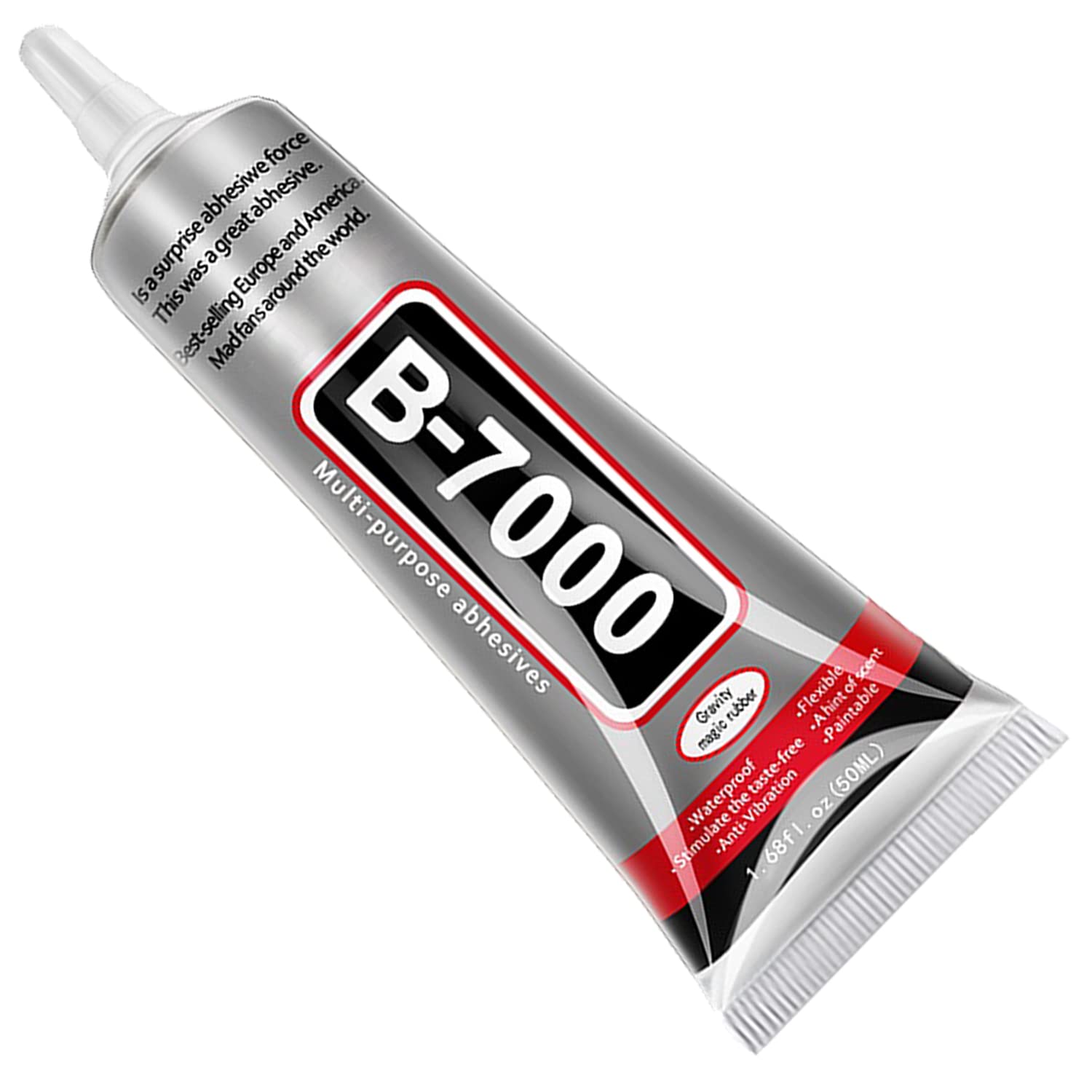 |
Fabric, Multipurpose Super B-7000 | Crystal Clear & Waterproof Precision Tip & Anti-Clog Design Multi-Surface Versatility Perfect for quilting patches Stretches up to 900% without breaking ideal for flexible fabrics |
Check Price |
 |
Gorilla Waterproof Fabric Glue 2.5 Ounce Tube | 100% Waterproof & Washer-Safe Designed for permanent bonding Ideal for quilts, garments, and accessories Dries completely transparent Needle-Free Convenience |
Check Price |
 |
Aleene’s Fabric Fusion Needlenose Glue | Creates a permanent adhesive between fabrics and embellishments No Sewing or Ironing Needed Ideal for quilters of all skill levels Machine washable and non-toxic |
Check Price |
 |
Permanent Clear Washable Clothing Adhesive for All Fabrics | Superior Bonding Power Built-In Precision Tip Fast Drying Wide Fabric Compatibility Waterproof & Durable |
Check Price |
 |
iCraft Fabric Fuse Liquid Adhesive 2.1 FL OZ | Quick & Permanent Bond Dries Clear & Stays Flexible No-Sew Convenience Nontoxic and washable |
Check Price |
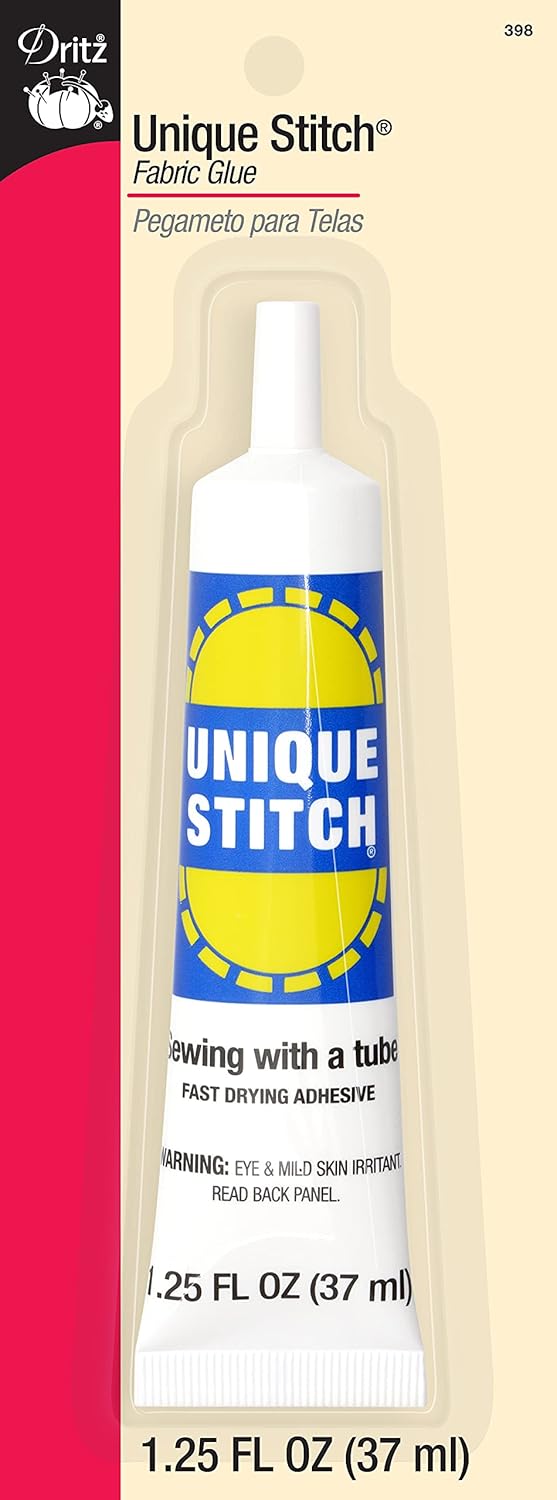 |
Dritz 398 Unique Stitch Stitchless Sewing Liquid Adhesive | Strong, Permanent Bond Bonds securely without stitching, ironing, or heat setting. Non-toxic and gentle on all fabric types. Adds texture and style to your projects |
Check Price |
 |
Lawn Fawn Glue Tube (Pack of 3) | Pen-Like Precision Crystal Clear & Acid-Free Dries completely clear with no residue |
Check Price |
What to Check Before You Choose a Glue
The products in the original article do not all solve the same quilting problem, so comparing them only by “strength” would be misleading. I’d compare them by the bond you need, whether the area will be stitched, how much control the applicator gives you, and what the finished piece must tolerate after curing.
Decide whether the thread or the adhesive is doing the lasting work
For piecing, appliqué that will be stitched down, and English paper piecing, thread normally provides the permanent structure. A removable or water-soluble positioning glue fits that workflow. For a no-sew patch, trim, decorative accent, or repair, the adhesive itself may need to remain permanent.
This decision filters the list quickly. Sewline is aimed at holding fabric for sewing. Fabric Fuse is explicitly a no-sew product and its maker tells users not to sew through it. Gorilla Fabric Glue, Fabric Fusion, and Unique Stitch are permanent no-sew-style adhesives. The two FITTDYHE products and the Nayrmaer listing are also permanent-style glues rather than temporary quilting basters.
Read sewing instructions, not just fabric compatibility
A label can say an adhesive bonds cotton and still be a poor choice for a seam you intend to stitch. Compatibility tells you whether the glue can adhere to the material. It does not tell you whether the cured film is friendly to a hand needle, sewing-machine needle, or longarm quilting path.
If the maker says not to sew, keep that adhesive out of stitch lines. If the instructions do not address sewing at all, I would avoid making a thick permanent glue line where a needle must repeatedly pass. For an appliqué that will be stitched, use dots well inside the edge or choose a sewing-positioning glue instead.
Match the applicator to the scale of the work
Small motifs benefit from fine control. Sewline’s pen places a narrow swipe of solid glue. Aleene’s Needlenose bottle is designed for accurate liquid placement. The FITTDYHE 60 mL fabric glue and B-7000 listing use precision-style tips that can help with dots and narrow beads. A larger open nozzle can be fine for a hem or broad repair but is less forgiving near a quarter-inch seam allowance.
Control is also about how the glue moves after it leaves the tip. Thin adhesive can soak into porous fabric quickly; thicker adhesive may sit on the surface and create a more noticeable cured film. The right amount is usually the smallest amount that performs the intended hold.
Check what “washable” actually requires
For a bed quilt, baby quilt, table textile, or washable wall hanging, laundering instructions are part of the design decision. Some products specify gentle cycles, low dryer heat, or a waiting period before washing. Others make broad “washable” claims without publishing detailed care instructions in an easily verifiable primary source.
When the directions are detailed, follow them. When the listing is vague, be conservative: make a sample, let it cure fully, and wash that sample the way you expect to wash the finished quilt. A washable claim is not a substitute for a project-specific test.
Think about color, bleed-through, and surface marks
Clear-drying adhesive is helpful on patterned fabric because a small amount is less visually intrusive once cured. Even so, wet glue can darken cotton temporarily, and thick adhesive can leave a glossy or stiff-looking patch. Very light fabric deserves extra caution because any change in texture or translucency is easier to see.
Test from the front as well as the back. A glue can look harmless on the wrong side and still create a visible halo when the fabric is held to the light. With rhinestones or heavy embellishments, also check that the adhesive does not squeeze past the edge and create a shiny outline.
Do not confuse a multipurpose craft adhesive with a quilting adhesive
A multipurpose glue can bond fabric, but that alone does not make it the best tool for quilt construction. B-7000 is sold for rhinestones, jewelry work, phone repair, wood, glass, and fabric. Lawn Fawn’s Glue Tube is officially described for paper crafting. Those products can belong in a craft room without being the first choice for stitched quilt seams.
The distinction is practical, not snobbish. Quilting asks the fabric to bend, feed under a presser foot, accept needles, and often survive repeated washing. Use the product according to the job it was designed to do, not according to the broadest possible material list in a marketplace title.
Fabric Glue Permanent, 60 ML Washable Clear — A Fine-Tip Permanent Adhesive for Small Fabric Jobs
The product behind this name is currently listed under the FITTDYHE brand as a 60 mL clear fabric adhesive. The current listing describes a precision tip, a permanent bond, and a full cure in roughly 24 to 48 hours. It is marketed for fabrics such as cotton, flannel, denim, leather, polyester, and nylon, along with repairs, patches, and rhinestones.
For quilting, I would treat it as a permanent repair or embellishment glue, not as a temporary basting product. The fine applicator is useful around small patches and decorative pieces, but a permanent resin-style adhesive is not something I would spread through a seam allowance simply because the bottle says fabric. The product information I could verify comes largely from current marketplace listings rather than a detailed manufacturer technical page, so the safest approach is to test washability and feel on a scrap before using it on an important quilt.
Features that matter in quilt-related work
The 60 mL tube is large enough for repeated small repairs without being an oversized workshop container. More important is the narrow tip: it lets you place dots or a thin bead instead of flooding a fabric edge. That is especially helpful when attaching a small patch, securing a loose embellishment, or repairing a spot where excess glue would remain visible.
The listing describes the adhesive as clear after curing and washable after the bond has fully developed. A clear finish is useful on multicolored textiles, but it should not be interpreted as invisible in every application. Any glue can create stiffness or a surface change if too much is used, so keep the film thin and check the front of the fabric after curing.
The stated 24-to-48-hour full-cure window is a reminder not to stress the bond too early. Clip or press the joined fabric as directed, then leave it alone for the full cure rather than peeling it apart repeatedly to “check” progress. For anything that will be washed, I would wait for the full cure and test a sample first.
- Fine tip gives useful control on small fabric repairs and embellishment work. Clear-drying formula reduces visible residue when applied sparingly. The listing identifies a broad range of compatible textile materials. A 60 mL tube is practical for repeated craft repairs without requiring a bulk bottle.
- The strongest performance claims are marketplace-listing claims rather than detailed primary technical guidance, so wash and stitch behavior deserve a scrap test.
Who It’s Best For
This is most sensible for crafters who want a precise permanent adhesive for patches, edges, embellishments, or small fabric repairs adjacent to quilting work. It also suits users who prefer a squeeze-tube applicator over a brush or glue pen.
Not Ideal For
I would not choose it as the default adhesive for piecing, large quilt basting, or any area that must be repeatedly stitched through. For temporary positioning before sewing, Sewline’s water-soluble glue pen is a more purpose-built option from this fixed list.
Bundle of Sewline Fabric Glue Pen — The Sewing-Focused Choice for Temporary Positioning
Sewline’s Fabric Glue Pen is the clearest match here for quilting tasks where the adhesive should help you sew rather than replace sewing. Sewline describes it as a pen-like dispenser with a solid, archival-quality glue stick. A small amount holds fabric in place for sewing, the colored glue dries clear, and the adhesive is water soluble. The pen is refillable, which is why bundles often pair the pen with extra glue-stick refills.
That behavior makes it useful for English paper piecing, appliqué preparation, matching small patches, and other jobs where pins would be awkward. The pen format also limits how much adhesive reaches the fabric. You can swipe a narrow edge instead of squeezing a wet bead that spreads into the seam.
Features that matter in quilt-related work
The solid glue stick gives much more placement control than a runny liquid. You can touch only the seam allowance or the inside edge of an appliqué piece, leaving the main stitch line cleaner. Because the glue is colored as it goes on and then dries clear, it is easier to see where you have already applied it without leaving that color in the finished work.
Water solubility is a major advantage for a temporary sewing aid. It means the hold is not intended to become the final structural bond. The fabric can be positioned, stitched, and then the residual glue can be removed during normal washing or damp handling as appropriate for the project materials.
Sewline also states that the pen is safe for most fabrics, but “most” is not “all.” Delicate dyes, specialty finishes, hand-dyed cotton, silk, and anything that reacts unpredictably to moisture should still be tested. A quick scrap test protects both the fabric color and your expectations about how easily the glue releases.
- Made specifically to hold fabric in place for sewing. Water-soluble formula suits temporary positioning. Pen shape gives excellent control near small seams and appliqué edges. Colored application dries clear so placement is easy to see. Refillable format reduces the need to replace the whole applicator.
- It is not a permanent construction adhesive, so it is the wrong choice when the glue itself must carry the finished bond.
Who It’s Best For
This is the strongest fit in the list for quilters who need help with English paper piecing, small appliqué placement, matching seams, or other pre-stitch positioning. It is also useful for anyone who dislikes pins in tiny pieces and wants a controlled temporary hold.
Not Ideal For
Do not choose it for a no-sew hem, a permanent patch, or an embellishment that must remain attached because of the adhesive alone. The point of this product is to support sewing, not to substitute for it.
Fabric, Multipurpose Super B-7000 — Precise and Versatile, but Not a Quilting Baster
The old product name points to FITTDYHE B-7000, currently sold in a 50 mL tube as a clear multipurpose adhesive for rhinestones, jewelry making, phone repair, wood, glass, charms, and fabric. That broad list tells you exactly how I would place it in a quilting room: as a multipurpose embellishment and repair adhesive, not as a glue designed around sewing-machine performance.
B-7000 is useful where a tiny, permanent bead must grab a mixed-material detail. A precision tip helps with rhinestones, beads, charms, or a small fabric-to-nonfabric repair. On a quilt, those tasks are more likely to appear on art quilts, decorative wall pieces, costume-style textile work, or craft projects that borrow quilting techniques rather than on a soft bed quilt meant for dense stitching and frequent laundering.
Features that matter in quilt-related work
The needle-style applicator is the main practical advantage. It can put adhesive beneath a small embellishment without coating the surrounding fabric. This matters because excess glue around a stone or trim is much harder to disguise than a hidden dot directly beneath it.
The current product listing describes the cured glue as clear, waterproof, and elastic. Those are useful properties for mixed-media work, but I would treat them as listing claims and still test the exact fabric combination. A permanent flexible adhesive can still change the hand of lightweight quilting cotton when used heavily.
The product is intentionally versatile across hard and soft materials. That flexibility of use is helpful in a craft room, yet it is also the reason not to assume it behaves like a sewing glue. If the area will be stitched, place adhesive away from the needle path unless the current label explicitly permits sewing through the cured bond.
- Fine applicator works well for tiny embellishments and detailed repairs. Clear-drying appearance is useful where glue lines must stay discreet. Multipurpose bonding makes it useful for mixed-media textile projects. The 50 mL tube provides more material than a tiny jewelry-glue sample while remaining easy to control.
- Its design is broader than quilting, so it is a poor substitute for a temporary sewing-positioning adhesive.
Who It’s Best For
Choose this from the fixed list when the project mixes fabric with rhinestones, charms, hard decorative pieces, or small repair materials and you need a precise permanent bead. It makes more sense on decorative textile work than on ordinary piecing.
Not Ideal For
It is not the product I would spread through quilt blocks, use for sandwich basting, or apply along future quilting lines. For a soft, washable quilt, keep mixed-media adhesive highly localized and verify the care instructions for every material involved.
Gorilla Waterproof Fabric Glue 2.5 Ounce Tube — Permanent Bonding With Washable Flexibility
Gorilla Fabric Glue is a dedicated permanent fabric adhesive rather than a generic craft glue. Current product information lists a 2.5 fl oz tube and describes it as a no-sew solution that bonds materials such as cotton, denim, polyester, felt, ribbon, beads, and sequins. The cured bond is described as crystal clear, flexible, washer/dryer safe, and waterproof.
Those traits make it more credible for fabric work than a multipurpose adhesive that merely includes fabric in a long material list. Even so, “no-sew” matters. In quilting, I would use Gorilla Fabric Glue for permanent hems, patches, trims, or embellishments that do not need to be stitched through, rather than as a routine substitute for basting spray or a sewing glue pen.
Features that matter in quilt-related work
The permanent flexible bond is the key feature. Quilted textiles bend, fold, and move; a rigid adhesive patch is uncomfortable and can create a hard transition around the bonded area. Gorilla specifically emphasizes flexibility after washing, which is useful for repairs and decorative textile pieces that will continue to move in use.
Washer and dryer compatibility is another meaningful advantage for household textiles. It does not remove the need to cure the bond fully before laundering, and I would still follow the current package instructions rather than using a generic washing schedule. Never judge a permanent fabric-glue bond by how strong it feels after only a few minutes.
The clear finish is helpful around trims and appliqués because a carefully applied edge is less conspicuous. As with every clear adhesive, squeeze-out is still visible as texture or sheen, so wipe or control excess before it cures. A small bead is generally better than saturating both layers.
- Dedicated fabric formula is easier to justify for textile repair than a general-purpose glue. Permanent bond is designed to remain flexible after washing. Current product information identifies washer/dryer-safe performance and clear curing. Bonds common quilt-adjacent materials such as cotton, felt, ribbon, beads, and sequins.
- It is sold as a no-sew permanent solution, so I would keep it out of planned quilting and piecing stitch lines.
Who It’s Best For
This suits quilters and crafters who need a durable permanent bond for a fabric repair, decorative trim, patch, or embellishment and want the finished item to remain washable. It is especially useful when the adhesive must stay flexible rather than forming a brittle spot.
Not Ideal For
It is not the best option here for temporary appliqué placement, English paper piecing, or any workflow where the glue should release after stitching. Sewline better matches those sewing-first tasks.
Aleene’s Fabric Fusion Needlenose Glue — Controlled Permanent Adhesion for Fabric Details
Aleene’s Fabric Fusion Needlenose version combines a permanent fabric adhesive with a narrow applicator, which is a useful pairing for detailed textile work. The verified 2 fl oz version is described as clear-drying and machine washable, and Aleene’s current Fabric Fusion information says the bond remains flexible after washing. The formula is intended for fabrics and embellishments, including common materials such as cotton, denim, and flannel.
The needlenose tip is what separates this version from a basic wide-mouth glue bottle. On quilt-adjacent work, it lets you run a slim line behind a patch edge or place a small dot beneath trim without covering a large area. That control reduces mess, but it does not turn a permanent no-sew adhesive into a temporary basting glue.
Features that matter in quilt-related work
Fabric Fusion applies and dries clear, which is valuable around patterned cotton and visible embellishments. Aleene’s also describes its standard Fabric Fusion formula as low odor, washable, and flexible after washing. Those are practical properties for textile work that will be handled and cleaned rather than displayed behind glass.
Current instructions for the standard formula tell users to test first, prewash fabric without fabric softener, apply an even coat, press the pieces together, and allow the adhesive to cure before washing. That prewash instruction matters because fabric softener and surface treatments can interfere with adhesive contact.
The needlenose format encourages narrow application, which is especially helpful near an appliqué edge. If the appliqué will still be stitched, I would place tiny dots toward the interior and leave the future needle path as clean as possible. If the appliqué is intended to be no-sew, follow the permanent-bond directions and cure time instead.
- Needlenose tip gives excellent control for narrow lines and small dots. Permanent Fabric Fusion formula is designed for fabric-to-fabric and fabric-to-embellishment bonds. Current manufacturer information says the bond dries clear and stays flexible after washing. The formula is made for common textiles including cotton, denim, flannel, trims, and more.
- As a permanent adhesive, it can leave more cured material in the textile than a temporary sewing glue, so placement needs to be deliberate.
Who It’s Best For
This is a strong fit for detailed permanent repairs, appliqués that will rely on adhesive, hems, trims, and embellishments where a standard bottle opening would apply too much. It is also a sensible choice for crafters who value a known fabric-glue brand with published care directions.
Not Ideal For
It is not my first choice for large-area quilt basting or for frequent stitching directly through glue. Use a sewing-positioning adhesive when the main goal is simply to hold pieces until thread takes over.
Permanent Clear Washable Clothing Adhesive for All Fabrics — Nayrmaer FG60g With a Long Cure
The exact listing behind this generic-sounding name is currently identified as Nayrmaer model FG60g, a 60 mL clear acrylic gel adhesive. Marketplace specifications describe a full cure of about 48 hours and market it as strong, washable, and waterproof. The title says “all fabrics,” but I would not treat that phrase literally. No adhesive should be assumed safe on every fiber, dye, coating, or specialty textile without a test.
For quilting, the main attraction is the precision-style tube and permanent fabric focus. It can make sense for repairs, patches, doll work, and decorative fabric joining where the adhesive is expected to stay in place. Its weaker point is documentation: I could verify the current listing identity and basic specs, but not the same depth of maker-authored sewing and laundering guidance available for Sewline, Aleene’s, Therm O Web, or Dritz.
Features that matter in quilt-related work
A 60 mL high-viscosity gel is easier to keep localized than a very watery adhesive. That can reduce spreading beyond a patch edge, although a thick bead can also leave a more noticeable cured ridge. The right technique is to use a thin, even film and press the layers without forcing glue out around the perimeter.
The approximately 48-hour full cure is important for planning. If a repair needs to be washed the same day, this is not a sensible workflow. Give the bond time to develop before flexing or laundering the piece, and do not use a partial cure as proof of final strength.
Because the product’s strongest washability and waterproof claims come through marketplace data, I would verify them on a scrap that matches the actual quilt fabric. A two-inch sample washed once can expose bleed-through, stiffness, color change, or edge lifting before those problems reach the finished quilt.
- High-viscosity gel can be easier to keep on a small repair area. Clear appearance helps reduce visible glue lines when applied neatly. The current listing identifies a 60 mL volume and a permanent fabric-focused formula. The long cure encourages a stable set before laundering or heavy handling.
- Primary technical documentation is limited compared with the better-established fabric-glue brands in this list, so I would test more cautiously.
Who It’s Best For
This is for someone who wants a generic permanent fabric repair adhesive with a controlled gel consistency and is comfortable validating the bond on a scrap before committing to a quilted item.
Not Ideal For
Avoid treating it as an all-purpose answer simply because the title says “all fabrics.” It is not the option I would choose for heritage textiles, delicate hand-dyed cloth, or temporary sewing placement without a very careful test.
iCraft Fabric Fuse Liquid Adhesive 2.1 FL OZ — Permanent and Flexible, but Explicitly No-Sew
iCraft Fabric Fuse is now sold in the HeatnBond/Therm O Web line under the same 2.1 fl oz size and product number family. The maker describes it as a washable, permanent quick-bond liquid adhesive that dries clear and remains flexible. It is intended for fabrics and embellishments, and the published directions call for a thin layer, light pressure, several hours of drying, and a longer wait before washing.
For quilters, however, one instruction matters more than every marketing adjective: Therm O Web says “Do Not Sew” and “Do Not Iron.” That means Fabric Fuse should not be presented as a normal quilt-piecing glue or a product to put in a line that will later pass under a needle. It fits no-sew hems, permanent embellishment work, and fabric-craft construction where the adhesive itself provides the bond.
Features that matter in quilt-related work
The flexible cured bond is helpful on fabric because the joined area can move instead of behaving like a hard plastic patch. Therm O Web also states that it dries clear and is machine washable and dryable after the stated curing period. Those traits are useful for decorative household textiles that need to flex and be cleaned.
The directions emphasize a thin, even layer. That is exactly the right discipline on quilting cotton: too much liquid adhesive can soak through, create a stiff patch, or squeeze into the visible edge. Spread only what the bond needs, press lightly, and secure the area while it sets if necessary.
The no-iron instruction deserves equal attention. Many quilt workflows involve pressing at almost every stage, so a glue that should not be ironed can complicate normal construction. If the project requires repeated pressing, choose another approach or keep Fabric Fuse confined to a completed area that will no longer go under the iron.
- Permanent bond is designed to remain flexible after curing. Dries clear and is listed as machine washable and dryable after proper curing. Works with fabric and embellishments for no-sew decorative construction. Published manufacturer directions clearly explain application, drying, and wash timing.
- The maker explicitly says not to sew or iron it, which rules it out for many ordinary quilting construction steps.
Who It’s Best For
Use this for permanent no-sew fabric craft work, hems, or embellishments where you can keep the bonded area away from future stitching and pressing. It can also suit a completed quilted item that needs a decorative element attached after the sewing is finished.
Not Ideal For
It is a poor fit for piecing, appliqué that still needs stitching, machine quilting, or any stage where the adhesive area must be pressed with an iron. The instructions are unusually clear on this point, so there is little reason to take the risk.
Dritz 398 Unique Stitch Stitchless Sewing Liquid Adhesive — A Permanent No-Sew Fabric Bond
Dritz Unique Stitch 398 is a 1.25 fl oz permanent fabric adhesive sold specifically for stitchless sewing tasks. Prym Consumer USA’s current product page says it can bond fabric to fabric, attach rhinestones, ribbons, bias tape and patches, secure hook-and-loop or zipper tape, make hems, and join elastic or yarn ends. The adhesive is described as water-soluble before drying, non-toxic, and permanent once dry.
The phrase “water-soluble” can be confusing here. It does not mean this is the same type of temporary quilting glue as Sewline. Dritz states that the dried bond is permanent and that bonded garments can be washed and machine dried. In other words, water solubility is useful for handling and cleanup before the glue cures, while the finished bond is intended to remain.
Features that matter in quilt-related work
Unique Stitch’s main advantage is that it was formulated around fabric and no-sew construction. That makes its intended use easier to interpret than a generic multipurpose adhesive. Hems, patches, trims, and fabric-to-fabric joins are exactly the kinds of jobs the maker names.
The ability to clean the adhesive with water before drying is useful during careful craft work. If a small amount squeezes beyond a trim edge, early cleanup is easier than waiting until a permanent film has formed. Still, always blot or lift excess rather than spreading it deeper into the weave.
For quilting, I would place it with the permanent no-sew options. The product name itself says stitchless, and the published use cases focus on adhesive construction rather than sewing through the bond. If a patch will be quilted heavily afterward, keep glue away from the stitch lines or choose a temporary sewing glue.
- Made specifically for permanent fabric bonding and no-sew projects. Water-soluble before drying allows easier cleanup of fresh adhesive. Current Dritz information supports use for hems, patches, trims, ribbons, and fabric-to-fabric joins. The dried bond is intended to remain washable in normal garment care.
- Its permanent stitchless role makes it less suitable than Sewline for temporary quilt positioning before sewing.
Who It’s Best For
This is a sensible choice for fabric repair, hems, trims, or decorative additions where the adhesive must provide the lasting connection. It is also useful when you want a brand with clear product-specific documentation rather than a generic marketplace listing.
Not Ideal For
Do not confuse it with a removable basting glue because the wet adhesive is water-soluble. For quilt piecing and stitch-through appliqué, a temporary sewing-positioning product is the cleaner fit.
Lawn Fawn Glue Tube (Pack of 3) — Precise Paper-Craft Glue, Not a Verified Fabric Adhesive
Lawn Fawn’s Glue Tube appears in the old article, so it belongs in this fixed list, but its own product page changes how it should be described. Lawn Fawn calls the current glue tube a pen-like, precise, clear-drying, water-based, acid-free adhesive that is perfect for paper crafting. The official description does not present it as a fabric glue for washable textile construction.
That makes it the clearest mismatch in the original roundup. Precision and clear drying are useful qualities, but they do not establish fabric durability, wash resistance, flexibility on cotton, or compatibility with quilting needles. I would rather say that plainly than turn a paper-craft adhesive into a quilting recommendation through inference.
Features that matter in quilt-related work
The pen-like tube and precise tip are genuinely useful for controlled craft application. If a quilting project includes paper templates, cardstock labels, or paper-based planning pieces, those traits can be convenient around the worktable. The water-based, acid-free formula is also well aligned with paper crafting, which is the use Lawn Fawn actually specifies.
What is missing matters just as much. The manufacturer page does not verify machine washability for fabric, a flexible textile bond, or sewing compatibility. Without those facts, I would not use it to secure a fabric seam, permanent appliqué, or washable patch on a quilt.
- Pen-like tube supports precise application. Adhesive dries clear according to Lawn Fawn. Water-based formula is easy to understand for paper-craft use. Acid-free specification is useful for paper projects associated with quilting journals, labels, or templates.
- Lawn Fawn verifies it for paper crafting, not as a washable fabric adhesive, so it is the weakest fit for actual quilt construction in this list.
Who It’s Best For
Keep it for the paper side of a sewing room: templates, paper craft elements, labels before attachment by another method, or other paper-focused work where its precise tip is useful.
Not Ideal For
I would not rely on it for fabric-to-fabric quilt seams, a washable appliqué bond, or any structural repair unless the specific tube in hand carries separate fabric-use instructions from the manufacturer.
How the Featured Glues Compare
The most useful comparison is not a single ranking. These adhesives separate into temporary sewing support, permanent fabric bonding, multipurpose embellishment work, and one paper-focused outlier. Choosing by function prevents a strong glue from being used in the wrong place.
For temporary positioning before stitching
Sewline Fabric Glue Pen is the clearest fit. Its maker specifically says a small amount holds fabric in place for sewing, and the glue is water soluble. That is exactly what you want when thread will create the final bond and the adhesive only needs to control the fabric beforehand.
None of the permanent no-sew products should be treated as equivalent merely because they also bond cotton. The permanent film changes the role of the glue. If you need the fabric to stay put for a few minutes while you stitch, starting with a sewing-positioning product is the cleaner decision.
For permanent fabric-to-fabric repairs and no-sew work
Gorilla Fabric Glue, Aleene’s Fabric Fusion, iCraft/HeatnBond Fabric Fuse, and Dritz Unique Stitch have the strongest documented fabric-specific positioning in this list. They are all intended for permanent textile bonding, although their instructions differ. Gorilla emphasizes waterproof, flexible, washer/dryer-safe fabric bonds; Aleene’s emphasizes flexible washable bonds across common fabrics; Dritz focuses on stitchless hems, trims, patches, and fabric joins.
Fabric Fuse also produces a permanent, flexible, washable bond, but its Do Not Sew / Do Not Iron instruction changes where it belongs in a quilting workflow. It can be useful after stitching is complete, yet it is unusually inconvenient during construction because quilting normally involves both needles and pressing.
For tiny embellishments and mixed materials
The two FITTDYHE products are the most obvious mixed-media choices, particularly B-7000. The fine tips let you place a small dot under a rhinestone or decorative item rather than painting a wide area. The 60 mL FITTDYHE fabric glue is more fabric-focused, while B-7000 is broader and is marketed for jewelry, phones, glass, wood, and fabric.
For a quilt that must remain soft, that broad multipurpose strength is not automatically an advantage. Keep mixed-media glue localized, avoid future stitch paths, and verify how the cured spot bends on the same fabric before using it repeatedly.
For buyers who want the clearest published directions
Sewline, Aleene’s, Therm O Web/HeatnBond, Dritz, Gorilla, and Lawn Fawn all have manufacturer or established-brand documentation that makes their intended use relatively clear. The generic marketplace-style fabric glue listings provide fewer detailed technical instructions, so they call for more cautious testing.
I know it is tempting to treat a long compatibility list as evidence that a glue is more capable. In practice, clear usage instructions are more valuable than an exaggerated material list because they tell you how much to apply, how long to cure, whether you can wash the bond, and whether sewing or ironing is allowed.
For a washable quilt or textile that will be handled often
If permanent glue will remain in a washable item, prioritize products with explicit laundering guidance and complete the stated cure before the first wash. Aleene’s and Therm O Web publish specific waiting periods and care instructions; Gorilla and Dritz also identify their fabric glues as washable after curing.
For a stitched quilt, remember that washable permanent glue is still permanent glue. Use it only where a permanent adhesive film serves a clear purpose. Most pieced seams and quilting lines are better left to thread, with temporary adhesive used only when it improves accuracy.
The product that does not belong in a fabric-bonding comparison
Lawn Fawn Glue Tube is the outlier. Its official product page is about paper crafting, not fabric. I would keep it in the source-locked article exactly once, but I would not compare its paper-craft specifications with textile washability as if the manufacturer had made those claims.
How to Use Fabric Glue Without Making a Quilt Hard to Sew
Good glue technique is mostly restraint. The goal is to solve a positioning or bonding problem without creating a larger one in the fabric. These steps work as a planning framework; the exact instructions on the current bottle always take priority.
1. Identify the final job of the adhesive
Decide whether the glue should hold temporarily until you stitch or remain permanently after curing. For temporary positioning, choose Sewline from this list. For a permanent repair or no-sew detail, choose a product whose maker actually describes a permanent textile bond.
Write that purpose down mentally before opening the tube. It sounds unnecessary, but it prevents the common switch from “one tiny dot to stop shifting” to “I might as well glue the whole edge,” which can change the feel and sewability of the block.
2. Test the exact fabric combination
Use scraps from the actual project whenever possible. Put adhesive between the same fabrics, with the same number of layers, and use the same approximate amount you plan to use on the quilt. Let the sample cure for the full stated time.
Then inspect it from both sides. Bend it, rub it lightly, pass a needle through only if the product allows sewing, and wash the sample if laundering is part of the finished project. A scrap test should reproduce the finished conditions, not just prove that wet glue feels sticky.
3. Keep the working area clean and dry
Lint, loose threads, fabric softener residue, oil from hands, and dust can all sit between the adhesive and the fibers. Trim stray threads and make sure the surface is clean. If the manufacturer recommends prewashing, do it before bonding and avoid adding a fabric softener the directions tell you to skip.
4. Apply less glue than you think you need
For a small appliqué or embellishment, start with dots or a very narrow line. On absorbent cotton, a liquid glue may spread after contact, so leave some distance from the visible edge. Pressing too hard can force a neat bead outward into a shiny halo.
If you need more coverage, add it deliberately rather than flooding the whole piece in one pass. Thin, even application generally cures more predictably than thick pockets of adhesive.
5. Keep permanent glue away from future needle paths
If the product is permanent and you still plan to stitch nearby, place the glue inside the motif rather than directly under the seam or quilting line. That reduces contact between the needle and cured adhesive. It also leaves the fabric edge more flexible for accurate stitching.
For Fabric Fuse, do not improvise: the maker explicitly says not to sew. Use it only where the bonded area will stay out of the sewing process.
6. Press or secure the layers without disturbing alignment
Once the pieces are positioned, apply only the pressure the instructions call for. Clips, tape, or light pressure may help keep an edge from lifting while a permanent glue sets. Avoid sliding the pieces back and forth, which smears the adhesive beyond the intended area.
7. Respect the full cure before washing or flexing
A surface can look dry long before the adhesive has reached its intended final bond. Leave permanent work undisturbed for the maker’s stated curing period. If the product calls for 48 hours before washing, the quilt does not gain anything from testing that limit early.
Care, Cleanup, and Storage
Clean fresh adhesive before it becomes a permanent film
When a water-cleanup fabric glue squeezes out, deal with it while the directions still allow cleanup. Blot rather than rub so you do not drive adhesive deeper into the weave. For any product with different cleanup directions, follow the label rather than assuming water is appropriate.
Permanent glue on a finished quilt can be difficult to remove without altering dye, texture, or finish. Prevention is much easier: use a fine tip, place a protective scrap beneath the work, and close the bottle as soon as you are finished.
Wash only after the bond has fully cured
A quilt may feel ready to use because the adhesive surface is dry, but laundering introduces water, detergent, flexing, and mechanical agitation at the same time. Wait for the stated cure. When a maker specifies a gentle cycle or low dryer setting, follow that instruction for the first wash and for later care when practical.
Protect nozzles and pen tips from dried residue
A precision applicator is only useful while it stays precise. Wipe the tip before replacing the cap and store the product as directed. For Sewline, keep refills clean and capped; for liquid tubes, avoid leaving a ring of cured adhesive that can break loose and create a lump on the next project.
Store glue away from heat and children
Adhesives should be kept in their original containers with labels intact, closed securely, and stored within the temperature range on the package. Keep them away from children and pets. If a product label calls for ventilation or carries flammability or irritation warnings, follow those precautions rather than treating every fabric glue as interchangeable.
Quilting Glue Habits That Create Problems Later
Flooding a seam allowance with permanent adhesive
A wide wet stripe seems reassuring because the fabric cannot move, but it can leave a stiff area exactly where the seam must bend and the needle must pass. The better approach is to use a temporary sewing glue sparingly, or keep permanent dots away from the planned stitch line.
Using “washable” as permission to wash immediately
Washable refers to the cured bond, not necessarily the first hour after application. Permanent fabric glues often need a substantial curing period. If you wash too early, edge lifting or weak bonding may be the result even though the product itself is designed for laundering.
Ignoring a maker’s no-sew or no-iron instruction
This is particularly important with iCraft/HeatnBond Fabric Fuse. Its current directions explicitly say not to sew and not to iron. Quilting normally includes both actions, so the product has to be placed after those steps or used in an area that never encounters them.
Assuming every clear glue is invisible on pale cotton
Clear glue can still alter sheen, thickness, or translucency. White and pastel fabrics show those changes easily. Test the exact fabric from the front, side, and against light before applying adhesive to a visible area.
Treating every fabric listed in a marketplace title as equally compatible
Broad listing titles are designed to capture many searches. They do not tell you how a specific dye, coating, or specialty fiber will react. A phrase such as “all fabrics” should trigger a test, not remove the need for one.
Choosing paper-craft glue for a washable textile bond
Lawn Fawn’s Glue Tube is precise, water based, acid free, and clear drying, but the maker describes it for paper crafting. Those are useful facts, yet none verifies a durable fabric bond. Use the right evidence for the right material instead of assuming that one craft adhesive can replace another.
Judging strength before the cure is complete
Pulling pieces apart early to see whether the glue “worked” interrupts the setting process and tells you very little about final performance. Apply, align, secure, and then leave the bond alone for the specified time. Then test it under the same bending and washing conditions the project will face.
Safety and Material-Specific Cautions
Fabric glue is still a chemical product, even when it is sold for crafts. Read the current label for ventilation, skin and eye contact, flammability, storage, and first-aid information. Keep containers closed when not in use, keep adhesive away from children and pets, and do not transfer it into an unlabeled bottle.
Do not apply heat unless the manufacturer specifically allows it. This is especially important in quilting because pressing is so routine that it can become automatic. If you have just bonded a piece, stop before reaching for the iron and confirm the product’s instructions. Fabric Fuse explicitly says not to iron.
Be equally cautious with heirloom, vintage, hand-dyed, metallic, coated, or delicate fabrics. A permanent adhesive can change a textile in ways that are difficult to reverse. For an irreplaceable piece, sewing with a removable positioning aid is usually easier to undo than a permanent chemical bond.
Frequently Asked Questions About the Best Fabric Glue for Quilting
What is the best type of glue for quilt pieces that will be sewn afterward?
A temporary, water-soluble positioning glue made for sewing is the most logical fit. In this fixed list, Sewline Fabric Glue Pen is specifically described as holding fabrics in place for sewing and then releasing with water. Use only enough to prevent shifting.
Can I sew through permanent fabric glue?
Do not assume you can. Some permanent adhesives may physically allow a needle to pass, but that does not mean the maker recommends it or that the needle will stay clean. If the instructions say “Do Not Sew,” as Therm O Web does for Fabric Fuse, keep the adhesive out of every stitch line.
Is fabric glue a replacement for quilt basting spray?
Not automatically. A liquid permanent glue has a very different role from a temporary basting product designed to hold large layers before quilting. None of the permanent glues in this fixed list should be spread across a quilt sandwich unless the exact manufacturer instructions specifically support that use.
How much glue should I use for appliqué?
For appliqué that will be stitched, use tiny dots or a thin swipe well inside the edge so the needle path remains clean. For no-sew appliqué, follow the permanent adhesive’s coverage instructions and use a thin even film. More glue is not automatically a stronger or cleaner result.
How long should I wait before washing glued fabric?
Follow the exact product directions. Aleene’s standard Fabric Fusion and Therm O Web Fabric Fuse both publish a 48-hour wait before washing, while other products may specify different times. If the product documentation is vague, wait for the full stated cure and test a sample before laundering an important quilt.
Which product in this list is best for rhinestones or embellishments?
For mixed-material precision work, B-7000 is specifically marketed for rhinestones and a broad range of hard and soft materials, while Gorilla Fabric Glue, Aleene’s Fabric Fusion, and Dritz Unique Stitch also list embellishment uses. Choose based on the materials, wash requirements, and whether the area will ever be sewn or ironed.
Is Lawn Fawn Glue Tube suitable for fabric quilting?
Lawn Fawn’s official page describes the Glue Tube for paper crafting and does not verify fabric washability or textile bonding. I would not choose it for quilt construction. It belongs in this article only because it was in the original product list and should be represented accurately.
What should I do if a glue says it works on “all fabrics”?
Treat that as marketing shorthand, not a guarantee. Test the exact fabric, including colorfastness and surface finish, and let the adhesive cure completely. Specialty textiles can behave differently even when ordinary cotton performs well.
Choosing Fabric Glue for Quilting Without Compromising the Stitching
The best fabric glue for quilting depends on what you expect the glue to do after the needle arrives. If the adhesive is only there to keep pieces aligned while you sew, Sewline’s water-soluble glue pen is the most purpose-built option in this list. If the adhesive itself must create the permanent bond, Gorilla Fabric Glue, Aleene’s Fabric Fusion, Dritz Unique Stitch, and iCraft/HeatnBond Fabric Fuse have clearer fabric-specific documentation, but each must be used within its own sewing, ironing, curing, and washing rules.
The remaining products need narrower placement. FITTDYHE’s fabric glue and Nayrmaer FG60g are permanent marketplace-listed fabric adhesives that deserve careful scrap testing. B-7000 makes more sense for precise mixed-media embellishments than routine quilt seams. Lawn Fawn Glue Tube should stay on the paper-craft side of the workspace unless the specific manufacturer label in hand says otherwise.
I’d choose the adhesive only after deciding where the needle will pass, how the item will be washed, and how soft that area needs to remain. A thin, well-placed bond that matches the maker’s instructions is more useful than the strongest glue you can find. Compare the options above against the exact quilting task, then test the final choice on scraps before it reaches a finished block.