A wood surface can make an otherwise simple decoupage project surprisingly unforgiving. Paper that looks flat on the table can wrinkle once moisture reaches it, a glossy finish can exaggerate every sanding scratch, and a sealer that works beautifully on canvas or diamond art may not bond to bare timber in the same way. The finish matters, but the surface underneath it matters just as much.
That is why I don’t think “clear craft sealer” and “Mod Podge for wood” should be treated as interchangeable phrases. Wood is porous, sometimes thirsty, and often uneven. A product that can act as both adhesive and topcoat is useful for paper-on-wood projects, while a sealer designed only to lock embellishments in place may be better treated as a specialized finishing product rather than the adhesive holding the project together.
For an Upcyclely-style project, the practical question is simple: what are you actually making? A decorative sign, photo plaque, coaster, box, tray, ornament, or piece of upcycled furniture will place different demands on the finish.
I’d start there, then choose the product whose intended use, sheen, durability, and application method fit that job. The ten products below are not all equivalent, and that distinction is important if you want the finished wood to look intentional rather than coated for the sake of coating it.
Why Wood Changes the Way a Sealer Behaves
Wood is one of the friendliest craft surfaces because it can be cut, painted, stained, burned, sanded, and decorated in so many ways. It is also one of the easiest surfaces to misread. A piece of smooth birch plywood, a raw pine plaque, a painted MDF sign, and a previously varnished table can all respond differently to the same wet medium.
Porous grain absorbs moisture unevenly
Bare wood does not behave like glass or plastic. Its pores and grain can absorb water from a water-based adhesive or sealer, and end grain usually drinks in more than a flat face. That can make the first coat look patchy even when your brushwork is reasonably even.
This is not automatically a defect. A thin first coat can act as a sealing layer, reducing how aggressively later coats soak in. The important part is to avoid flooding the surface. More product is not the same thing as more protection, and a heavy wet layer can raise the grain, soften paper, encourage bubbles, or leave ridges that stay visible after drying.
Adhesion and topcoating are two different jobs
Traditional Mod Podge formulas are useful on wood because they can function as glue, sealer, and finish. You can coat the wood, place paper or fabric into that wet layer, smooth the material, and then apply protective coats over the top once the bonded layer is stable.
Several products in the fixed list for this article are different. They were developed mainly to flow over finished diamond paintings or puzzles and lock small pieces in place.
They may dry clear and glossy, but that does not automatically make them proven decoupage adhesives for paper on bare wood. If a manufacturer does not specifically support wood bonding, I would not assume the product should replace a true decoupage medium.
The sheen changes how flaws look
Gloss finishes deepen color and give printed images more visual contrast, but reflected light can make brush marks, dust, bubbles, and uneven wood texture easier to see. Matte finishes are quieter. They usually suit rustic signs, vintage-style graphics, and furniture makeovers where you do not want a plastic-looking shine to dominate the surface.
Neither finish is inherently better. The more useful question is whether the sheen supports the piece. A bright photo plaque can benefit from gloss, while a weathered wooden recipe sign may look more natural with a low-sheen finish.
Dry does not mean fully cured
A surface can feel dry long before the coating has reached its final hardness. Current Plaid guidance for standard Mod Podge formulas notes that the surface can dry fairly quickly while full cure takes much longer. During that curing period, heavy handling, stacked objects, pressure, and moisture can mark a finish that seems dry to the touch.
I know it is tempting to finish a project in the evening and put it into service the next morning. For decorative pieces that may be fine if they are handled gently, but trays, coasters, boxes, and furniture deserve more patience. Curing is part of finishing, not dead time after finishing.
Water resistance is not the same as waterproofing
This distinction matters on wood. Standard Mod Podge formulas are water-based and are not a substitute for a waterproof exterior coating. Some specialty products make stronger water-resistance or waterproof claims, but those claims apply to their own formulas and intended uses.
If the wood will live outdoors, sit beside a sink, hold wet plant pots, or receive repeated wiping, choose a finish whose maker explicitly supports that exposure. A decorative indoor plaque has very different needs from a serving surface or garden sign.
| Product Image | Product Name | Features | Price |
|---|---|---|---|
 |
Mod Podge Gloss Sealer | Dries clear with a durable & high-shine coating Quick-Drying & Surface-Friendly Easy Cleanup Non-toxic |
Check Price |
 |
Mod Podge Matte Sealer | Combines glue, sealer, and finish in one convenient formula Versatile Surface Compatibility Durable Matte Finish Quick-Drying & Buildable |
Check Price |
 |
Faburo 2pcs Diamond Painting Sealer | Ready-to-use 120ml bottle Non-Toxic Formula Waterproof & Dust-Proof Protection Prevents diamond paste from falling off |
Check Price |
 |
Diamond Painting Sealer 250ML with Silicone Brush | Dries fully in just 2 hours Safe & Non-Toxic Formula Large 250ml bottle covers multiple projects Permanent Hold & Gloss Finish |
Check Price |
 |
ARTDOT 16 oz Diamond Art Sealer Kits for Adults | Quick-Drying for Fast Results Silicone brush ensures smooth, bubble-free coverage Lint roller compacts beads and removes impurities |
Check Price |
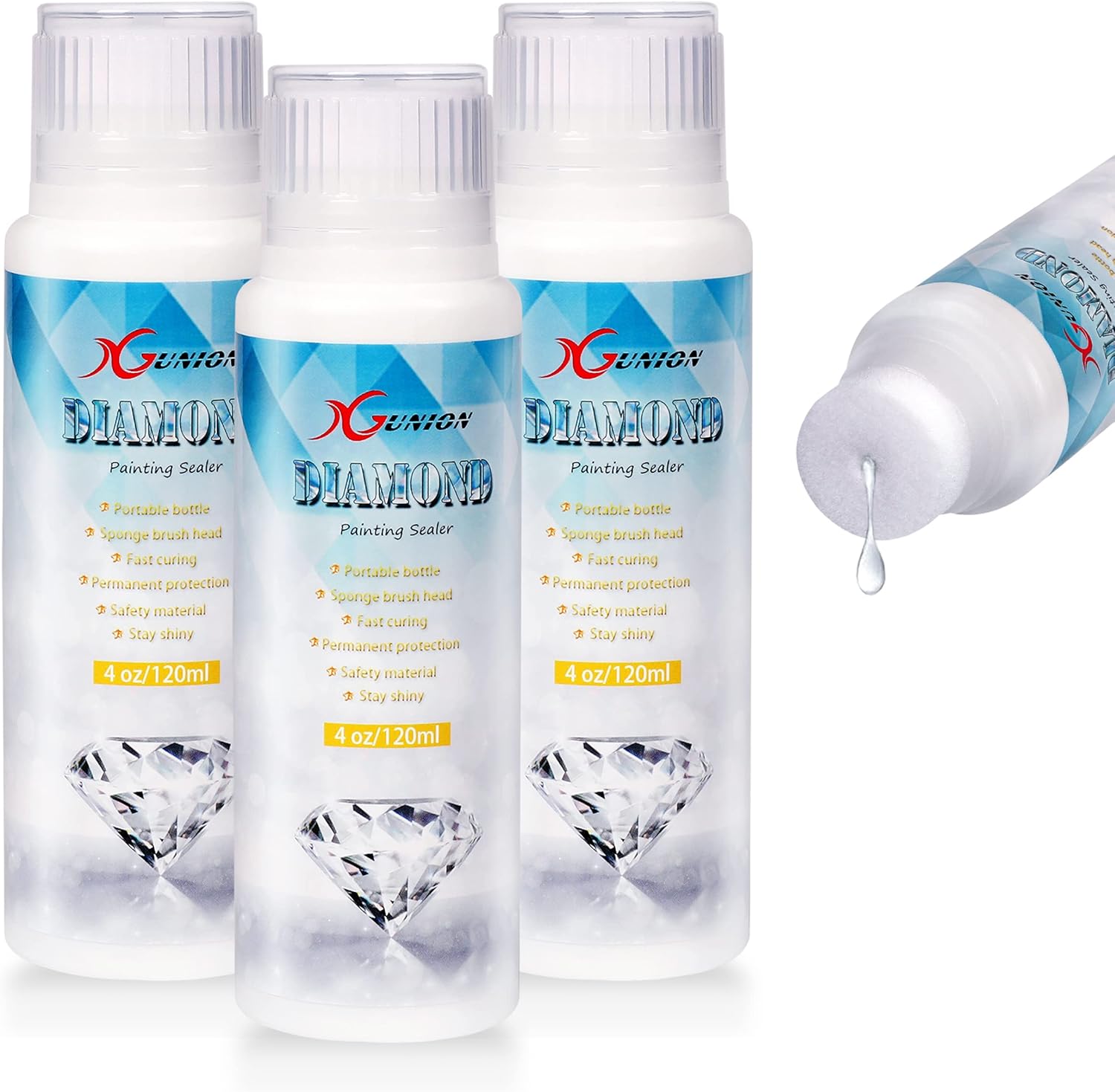 |
Diamond Painting Sealer 3-Pack 360ML | Long-Lasting Shine Safe & Non-Toxic Formula Rapid Curing Time urface cures in just 15 minutes, fully cured in about 30 minutes Adds a high-gloss finish |
Check Price |
 |
SCORCH MARKER – Maker’s Magic Sealer | Crystal-clear gloss finish with mirror-like shine Flexible & waterproof Leaves no clumps or residue Fast-Drying & Easy Cleanup |
Check Price |
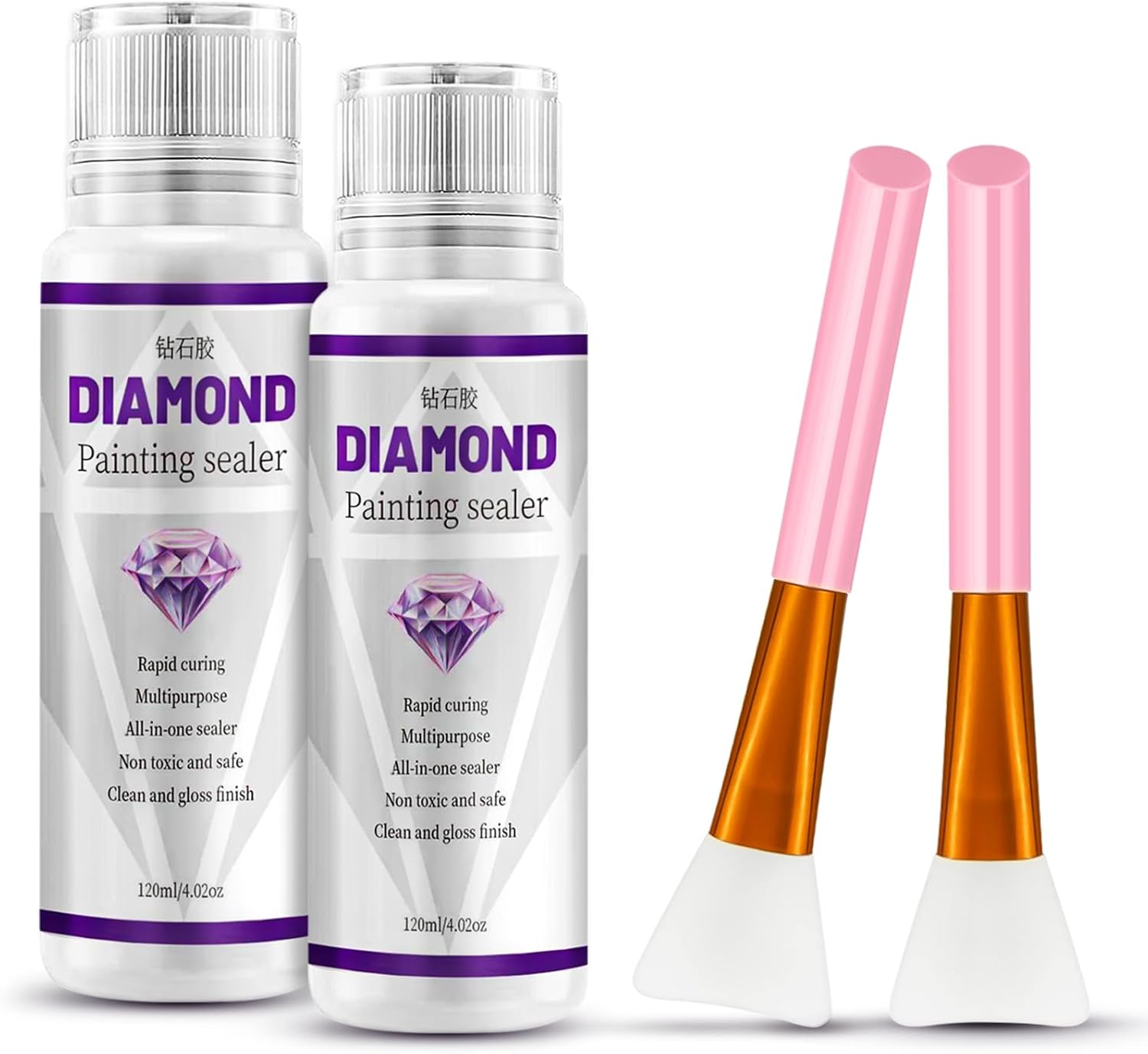 |
Yunnuo Diamond Painting Sealer Kits 240ML with 2 Silicone Brushes | Permanent Hold & Gloss Finish Safe & Non-Toxic Formula Fully cures in about 2 hours Large 240ml (8 oz) bottle |
Check Price |
 |
2 Pack Diamond Painting Sealer | Includes 2 bottles × 120ml Comes with a built-in sponge brush for smooth Surface dries in 15 minutes, fully cured in 30 minutes |
Check Price |
 |
Mereido Diamond Art Glue Painting Sealer | Multi-Purpose Craft Sealer Surface cures in 15–25 minutes; fully cured in 30–60 minutes Creates a clear and protective layer |
Check Price |
What Matters Before You Coat a Wood Project
The product name is only one part of the decision. The wood, decoration, expected handling, and finish you want should decide how you approach the project.
Start with the surface, not the bottle
Raw wood should be smooth, clean, and free of sanding dust. If you can feel raised fibers with your fingertips, you are likely to see them after a glossy coat. Sanding does not need to turn the wood into glass, but it should remove splinters, machining ridges, and obvious roughness.
Painted or previously finished wood needs a different check. A slick factory coating may reduce adhesion, while old wax or furniture polish can interfere with water-based products. Clean and lightly prepare a hidden area first rather than assuming every finish will accept a new coating.
Decide whether you need glue, a protective topcoat, or both
If you are decoupaging paper directly to wood, a genuine glue-sealer-finish formula is the simplest route because it handles all three jobs. If the decoration is already attached and you only want a final clear layer, a dedicated sealer may be enough, provided the manufacturer supports the surface and the finish you want.
This distinction becomes especially important with the diamond-art sealers in the product list. Their main job is to secure decorative pieces on an existing craft surface. They are not automatically the best choice for bonding a paper print to unfinished wood.
Match sheen to the design
Gloss makes colors look richer and can suit photos, bold graphics, modern signs, and bright decoupage paper. Matte reduces reflections and lets wood texture, distressed paint, muted paper, and vintage imagery carry more of the visual weight.
A strong gloss can also make an uneven application more obvious. If your project has a deliberately rustic surface, low sheen is often more forgiving. If you want glass-like clarity, surface preparation and thin coats become more important.
Consider how the piece will be handled
A wall sign has an easy life. A jewelry box lid, serving tray, tabletop, or frequently opened cabinet panel does not. For high-touch projects, coating toughness and cure time matter more than they do on a purely decorative object.
The same applies to cleaning. If a finished piece will need regular damp wiping, use a formula with an appropriate moisture-resistance claim. Do not rely on the word “sealer” alone to tell you how it will behave around water.
Think about applicator control
A foam brush is useful for broad, even coats. A soft synthetic brush gives more control around edges. Silicone spreaders can work well with thicker craft sealers because they do not absorb product, but they may not be the best tool for brushing a thin adhesive layer under delicate paper.
Built-in sponge tops are convenient for diamond paintings because they meter product directly over a textured surface. On wood, that convenience can become a limitation if you need to work sealer carefully around edges, grain, lettering, or paper seams.
Test the complete stack of materials
The safest test is not just “Does this sealer stick to wood?” It is “Does this sealer behave well with this wood, this paint or stain, this paper or fabric, this ink, and this planned topcoat?” A small scrap can answer that before the final project is at risk.
Inkjet prints, in particular, can react badly to aggressive brushing while wet. Some inks can smear when a water-based medium is worked repeatedly over them. Let printed pieces dry thoroughly and test a sample when the image matters.
When a Clear Craft Sealer Is the Wrong Tool
There are times when even a well-made craft sealer is not the sensible finish. A cutting board meant for active knife use, a surface exposed to standing water, a heat-exposed trivet, a heavily used dining tabletop, or an outdoor piece in direct weather may need a purpose-built finish with performance claims suited to that job.
Likewise, if your goal is to preserve the look and feel of natural timber without adding a decoupage layer, a wood finish designed specifically for bare timber may make more sense than a craft medium. The point is not to make one bottle do every job. It is to choose the least complicated product that safely does the job your project actually needs.
Mod Podge Gloss Sealer CS11202 – Classic Gloss Decoupage for Wood
Mod Podge Gloss CS11202 is the most straightforward fit in this list for someone genuinely searching for Mod Podge for wood. It is a water-based all-in-one glue, sealer, and finish, and Plaid specifically lists wood among the surfaces it can be used on. The linked product is the 16-ounce gloss formula.
For a wooden sign, photo plaque, ornament, decorative box, or paper-covered panel, that three-in-one role is useful. You can use the same medium beneath the decorative layer and over it, which reduces compatibility questions between separate adhesive and topcoat products.
The visible trade-off is sheen. Gloss brings clarity and color saturation, but it also reflects light. If the wood has sanding scratches, brush ridges, trapped dust, or a slightly wavy paper layer, a shiny surface can make those details easier to notice.
Key features translated into practical benefits
The glue-sealer-finish formula simplifies decoupage on porous wood. Instead of selecting one adhesive and a separate clear coat, you can work with one compatible medium for bonding and finishing. That is especially useful on small and medium craft pieces where simplicity matters more than building a furniture-grade coating system.
The clear glossy finish suits printed graphics and colorful paper. It can make dark colors look deeper and whites look cleaner by creating a more reflective top layer. The limitation is that gloss is less forgiving of surface imperfections than matte.
The water-based formula makes wet cleanup manageable with soap and water. That matters when you are brushing around edges or accidentally get medium onto your hands or work surface. Once the product has dried, cleanup becomes much harder, so wiping spills promptly still matters.
The formula dries quickly enough for layered craft work, but full curing should not be rushed. Thin coats are more reliable than one thick coat, and a project that will be handled heavily should be allowed to harden fully before use.
- It is a genuine Mod Podge formula designed to glue, seal, and finish in one product, which is practical for paper-on-wood decoupage.
- Plaid explicitly supports use on wood and other porous craft surfaces, so the surface suitability is not a guess.
- The clear gloss finish can strengthen color contrast on photos, printed designs, and decorative paper.
- Wet cleanup with soap and water keeps the application process relatively simple for home craft spaces.
- The glossy sheen can emphasize brush marks, dust, and imperfect surface preparation.
- It is not a substitute for a waterproof exterior or heavy-duty tabletop finish.
Who It’s Best For
This is best for decorative indoor wood projects where you want one familiar medium to handle both adhesion and topcoating. It is particularly sensible for signs, plaques, boxes, frames, ornaments, and similar pieces with paper or fabric decoration.
Not Ideal For
It is not ideal if you want a nearly invisible low-sheen finish or need proven performance under standing water, heat, food-cutting wear, or harsh outdoor exposure.
Mod Podge Matte Sealer CS11302 – A Lower-Sheen Choice for Rustic Wood Projects
Mod Podge Matte CS11302 uses the same basic all-in-one idea as the gloss formula, but it dries to a clear matte finish. The linked product is the 16-ounce version. For many upcycled wood projects, that lower sheen is more visually forgiving and often feels more natural beside distressed paint, muted graphics, raw-looking grain, and vintage paper.
The formula is still meant to function as glue, sealer, and finish, so it can sit beneath a paper or fabric layer and then protect the top. That makes it a much more direct wood-decoupage choice than a sealer designed primarily for diamond paintings.
Matte does not mean texture disappears. Deep sanding scratches, raised grain, trapped fibers, and paper wrinkles will still show. What changes is how strongly reflected light calls attention to them.
Key features translated into practical benefits
The clear matte finish keeps glare down. That is useful on wall art and signs because text and imagery remain easier to see from different angles without a strong reflection moving across the surface.
Its water-based, quick-drying craft formula works well for layered decoupage. Thin coats can be built gradually, and the surface can be gently smoothed between fully dry coats if the project calls for a more refined finish.
The same product can bond porous materials and protect them afterward. For a small wood project, that reduces the number of bottles on the bench and lowers the risk of pairing an adhesive with an incompatible clear coat.
Wet cleanup with soap and water is another practical advantage. I’d still protect the work surface, because dried medium on tools or furniture is much less pleasant to remove than fresh product.
- The matte finish works naturally with rustic, farmhouse, vintage, distressed, and low-glare wood designs.
- It is a true glue-sealer-finish medium with established use on wood, paper, fabric, and other porous surfaces.
- Lower reflectivity makes minor brush texture less obvious than it would be under a strong gloss.
- Water-based cleanup is convenient while the medium is still wet.
- It will not give the deep, reflective look that some photo plaques and bright decorative pieces need.
- Standard matte Mod Podge is better treated as an indoor craft finish than as a weatherproof outdoor coating.
Who It’s Best For
This is a strong fit for wooden signs, keepsake boxes, decorative trays, frames, ornaments, and upcycled pieces where the design should look soft rather than shiny.
Not Ideal For
It is not ideal for anyone specifically chasing a lacquer-like gloss or for wood that needs a purpose-built waterproof, heat-resistant, or abrasion-heavy finish.
Faburo 2pcs Diamond Painting Sealer – A Specialty Sealer, Not a Direct Wood-Decoupage Replacement
The Faburo listing is a two-bottle diamond-painting sealer set, with 120 ml in each bottle. Its intended job is to flow over completed diamond art, form a transparent protective layer, help keep the small decorative pieces in place, and maintain shine. Current product information also positions it for puzzles and similar crafts.
That is useful context because the title of this article could otherwise make the product sound like another Mod Podge formula. It is not. Faburo does not have the same published role as Plaid’s glue-sealer-finish products for bonding paper to wood.
If you already have a decorated wood-backed craft and are considering a clear sealer over a compatible surface, this may be relevant only after a small test. I would not make it the adhesive holding paper, fabric, or a print to bare wood unless the manufacturer specifically confirms that use.
Key features translated into practical benefits
The two 120 ml bottles divide the total supply into smaller containers. That can be convenient for occasional craft use because only one bottle needs to be open at a time.
The ready-to-use formula is designed to be applied directly rather than mixed. On diamond art, that saves setup and makes it easier to coat a completed surface consistently.
The product is described as drying transparent and helping protect finished diamond art from dust and moisture. Those benefits are relevant to its intended textured craft surface, but they should not be expanded into a claim that it is a proven waterproof wood finish.
Its emphasis on maintaining luster suits bright, reflective crafts. On a rustic wood sign, that same visual effect may be less desirable than a matte decoupage medium.
- The two-bottle format is convenient for small craft sessions and storage.
- It is designed to dry clear so it does not intentionally hide the artwork beneath it.
- The ready-to-use formula avoids a separate mixing step.
- Its main purpose is securing and protecting decorative craft surfaces such as diamond paintings and puzzles.
- It is not a true Mod Podge product and does not have the same established wood-decoupage role as Plaid Gloss or Matte.
- Its glossy protective focus may be a poor visual match for natural or rustic wood projects.
Who It’s Best For
This makes the most sense for someone who already owns it for diamond art or puzzle sealing and is evaluating it for a compatible, fully decorated craft surface after testing.
Not Ideal For
It is not the sensible first purchase for attaching paper, photos, or fabric directly to raw wood. For that job, a genuine decoupage glue-sealer-finish formula is better supported.
VansyLife Diamond Painting Sealer 250ML with Silicone Brush – Easy Spreading for Finished Craft Surfaces
The linked 250 ml sealer is the VansyLife Updated Diamond Painting Sealer supplied with a silicone brush. Its published use is preserving completed diamond paintings and jigsaw puzzles, with a clear, glossy finish intended to keep decorative pieces secured and easier to protect from dust.
The silicone applicator is the feature that most clearly separates it from ordinary brush-on Mod Podge. Silicone does not absorb the medium the way a foam or bristle brush can, so it can spread a thicker craft sealer without holding much product inside the tool. On a textured diamond-art surface, that can be convenient.
For wood, however, applicator convenience does not solve the bigger compatibility question. This product is not positioned as an adhesive for paper-to-wood decoupage. If a wooden project already has its decorative layer attached and you simply want to test a glossy clear craft sealer over it, the product is more relevant. If you need glue beneath the paper, I would choose a formula designed for that task.
Key features translated into practical benefits
The 250 ml bottle provides more working volume than the smaller 120 ml bottles common among diamond-art sealers. That suits larger finished crafts or multiple pieces, although it also means you should close the bottle carefully so the unused medium does not skin over or thicken.
The included silicone brush can distribute product over textured surfaces without absorbing much of the liquid. It is also easier to rinse clean than many bristle brushes when the material is still wet.
The formula is described as PVA-based and water-soluble during use. That gives it a familiar craft-glue character, but PVA content alone does not prove that it will behave like a purpose-made decoupage medium on every painted, stained, or bare wooden surface.
The manufacturer positions the sealer as producing a permanent hold and shiny appearance on diamond paintings. That makes it better aligned with high-gloss decorative work than with understated wood grain.
- The included silicone brush is useful for spreading a thicker sealer evenly across textured craft surfaces.
- The 250 ml size gives enough material for more than a tiny one-off project.
- Its clear glossy finish is designed to preserve visibility and sparkle rather than obscure the artwork.
- The product is intended for both diamond paintings and completed puzzles, giving it more than one established craft use.
- It is not marketed as a primary adhesive for decoupaging paper or fabric onto bare wood.
- The gloss finish may look too reflective on rustic, distressed, or natural-looking wooden pieces.
Who It’s Best For
This is best for crafters who mainly need a clear finishing sealer for diamond art or puzzles and happen to be considering it for a tested decorative wood-backed craft.
Not Ideal For
It is not ideal as a first-choice wood decoupage medium because its published use does not establish the same glue-under-and-seal-over workflow as genuine Mod Podge.
ARTDOT 16 oz Diamond Art Sealer Kit – Large-Capacity Sealing with Application Tools
ARTDOT’s 16-ounce, or 480 ml, sealer kit is the largest purpose-built diamond-art option in the fixed list. The current manufacturer page includes the sealer plus a fixing tool, lint roller, silicone brush, and paint brush. The formula is described as a water-soluble PVA material intended to lock diamond beads onto canvas while leaving a clear finish.
The accessory set is genuinely useful for its intended craft. The lint roller can remove loose debris before sealing, the fixing tool can straighten drills, and the two brush types give a choice between broad spreading and more controlled coverage. Those are thoughtful additions for diamond art.
For a wood decoupage project, though, most of those extras solve the wrong problem. A lint roller and drill-alignment tool do not help attach a paper image to a wooden plaque. The paint brush could certainly spread a compatible medium, but the product itself is still formulated and documented around diamond art and puzzles.
Key features translated into practical benefits
The 480 ml capacity reduces the need to replace small bottles during a large craft project. ARTDOT says the amount can cover numerous standard diamond paintings, which is useful for frequent users. On wood, the larger volume is only an advantage if you have first established that the finish is suitable for the complete material stack.
The included silicone and paint brushes provide two application styles. A silicone brush spreads without absorbing much sealer, while a bristle-style paint brush can work product into edges and around details.
ARTDOT states that the sealer dries clear and is designed to preserve sparkle. That is ideal for faceted diamond drills. On wood, clear gloss can intensify color but can also make uneven grain and brush texture more visible.
The included cleaning and alignment tools encourage preparation before coating. That same principle transfers well to wood even if the specific tools do not: the cleaner and flatter the surface before sealing, the cleaner the finish afterward.
- The 16-ounce capacity is useful for people who seal many craft projects rather than one small piece.
- The kit includes multiple application and preparation tools instead of only a bottle of sealer.
- The water-soluble PVA formula is designed to dry clear and secure decorative pieces on its intended surfaces.
- A silicone brush and a paint brush give more control over how the sealer is distributed.
- The product is documented primarily for diamond art and puzzles, not as a wood-decoupage adhesive.
- The large bottle is unnecessary if you only need to finish one small wooden sign or ornament.
Who It’s Best For
This is best for frequent diamond-art crafters who want a complete sealing kit and may occasionally experiment with other compatible decorative surfaces after testing.
Not Ideal For
It is not ideal for someone shopping specifically for an all-in-one wood decoupage glue, because its strongest features are built around securing diamond drills rather than bonding paper to timber.
Xgunion Diamond Painting Sealer 3-Pack 360ML – Built-In Sponge Application for Fast Craft Finishing
The 3-pack 360 ml listing resolves to a Xgunion diamond-painting sealer set. The total volume is split across three bottles, and the product uses an all-in-one sponge-head application design. It is described as a water-based PVA sealer intended for diamond paintings, puzzles, cross-stitch, and related crafts.
The built-in sponge is appealing because it removes a separate brush from the setup. Pressing or wiping the applicator over a completed diamond painting can spread the sealer while keeping the user’s hands away from the liquid. That convenience is less compelling for fine decoupage work, where a foam brush or soft synthetic brush usually gives better control around paper edges.
The manufacturer also describes a rapid curing process for the intended diamond-art use. I would treat that as product-specific guidance, not as a universal promise for thick coats on wood. Drying time changes with film thickness, temperature, humidity, and the absorbency of the surface.
Key features translated into practical benefits
Three smaller bottles can be easier to store than one large container. They also reduce how often the entire supply is exposed to air, which may help if you work only occasionally.
The sponge-head applicator simplifies broad application over flat, textured craft surfaces. The limitation is precision: a built-in sponge cannot reach corners and narrow details as cleanly as a separate small brush.
The PVA, water-based formula is designed to dry into a clear protective layer. That supports diamond paintings and puzzles, but the published use does not establish it as a replacement for Mod Podge beneath paper or fabric on wood.
Its glossy effect is intended to maintain brightness. That can be attractive on colorful decorative work, though it may compete visually with a rustic or low-sheen wood finish.
- The three-bottle format is convenient for storage and occasional use.
- A built-in sponge applicator eliminates the need for a separate spreading tool on simple flat surfaces.
- The formula is designed for more than one craft, including diamond paintings and puzzles.
- Its clear finish is intended to preserve the visibility and shine of the decoration underneath.
- The sponge applicator gives less edge control than a separate brush on detailed wood decoupage.
- The product is not established as an all-in-one adhesive and topcoat for bare wood.
Who It’s Best For
This is best for someone who values quick, mess-reduced sealing of diamond paintings or puzzles and wants multiple smaller bottles rather than a single large container.
Not Ideal For
It is not ideal for carefully positioning and adhering delicate paper to wood, where brush control and a proven decoupage medium matter more than built-in applicator speed.
SCORCH MARKER Maker’s Magic Gloss – A Real Wood-Friendly Alternative to Mod Podge
Maker’s Magic Gloss is the most interesting non-Mod-Podge product in the fixed list because its manufacturer actually positions it as an all-purpose craft glue, waterproof sealer, decoupage medium, and project finish. Scorch Marker is a wood-craft-focused brand, and the product is sold for use across a wide range of craft surfaces.
That makes it fundamentally different from the diamond-painting sealers above. It is not merely a topcoat intended to lock drills onto canvas. It is designed to glue, seal, finish, and support decoupage, so it can reasonably be considered alongside Mod Podge for suitable wooden craft projects.
The finish is glossy and crystal clear. The manufacturer also makes stronger durability claims than Plaid does for standard Mod Podge Gloss, including waterproof performance and indoor/outdoor suitability. Those claims belong specifically to Maker’s Magic and should not be transferred to other water-based craft sealers.
Key features translated into practical benefits
The all-in-one glue, sealer, decoupage medium, and finish role means it can serve beneath and above decorative material. That is the workflow most wood decoupage projects actually need.
Its manufacturer describes the cured finish as completely waterproof. For wood crafts that may encounter occasional outdoor exposure or moisture, that is a meaningful distinction from standard Mod Podge. I would still follow the manufacturer’s surface preparation and curing instructions rather than treating “waterproof” as permission to submerge a wooden project.
Maker’s Magic is described as solvent-free, non-toxic, and low odor. That makes it more comfortable for indoor craft work than a strong solvent-based clear coat, although normal ventilation and clean work habits still make sense.
The gloss formula is intended to cure clear without visible brush strokes or cloudiness when applied correctly. Wood preparation still matters: no clear finish can hide deep scratches, dirt, or poorly bonded paper underneath it.
- It is explicitly designed as a glue, sealer, decoupage medium, and finish rather than only a final diamond-art topcoat.
- The manufacturer supports waterproof performance after proper curing, which is stronger moisture protection than standard indoor Mod Podge offers.
- Its clear glossy finish works well for colorful paper, signs, decorative graphics, and wood-burning projects that need a protective top layer.
- The solvent-free, low-odor formula is practical for home craft spaces.
- The strong gloss is not the right aesthetic for every wood project, especially intentionally matte or weathered pieces.
- Its performance claims depend on proper application and full cure, so rushing the project can undermine the reason for choosing it.
Who It’s Best For
This is best for wood crafters who want a genuine all-in-one decoupage-style product but need stronger moisture resistance than standard indoor Mod Podge provides.
Not Ideal For
It is not ideal if your goal is a flat, almost invisible finish or if you simply want the most familiar and widely documented classic Mod Podge workflow.
Yunnuo Diamond Painting Sealer Kits 240ML with 2 Silicone Brushes – A Glossy Sealer for Finished Decorative Work
The Yunnuo listing is a 240 ml diamond-painting sealer kit supplied with two silicone brushes. Its published purpose is to protect completed diamond paintings, add a glossy finish, and help keep decorative pieces in place. That makes it a finishing product first, not a proven adhesive for bonding paper to raw timber.
The two silicone brushes are useful if you are working across a broad textured surface because they spread liquid without holding much of it in bristles. They are also easy to clean while the sealer is fresh. On wood, though, I would use this only after a compatibility test and only when the decorative layer is already securely attached.
A glossy sealer can look attractive on brightly painted wood, resin accents, or a decorative plaque where shine is part of the design. It is a weaker choice for a vintage or reclaimed-wood look, and there is not enough manufacturer evidence to recommend it as a direct replacement for Mod Podge beneath paper or fabric.
Key features translated into practical benefits
The 240 ml volume offers enough material for several small decorative projects. Because the product is sold as a kit rather than a single bottle, you also get dedicated spreading tools without needing to borrow a brush from another part of your craft setup.
Silicone brushes do not soak up much sealer. That can reduce waste and make cleanup simpler, especially with a thicker clear medium. Their broad flexible edges are less precise than a fine brush around detailed paper edges, so the tool should match the work.
The glossy finish is intended to keep diamond artwork visually bright. On a wood project, the same sheen can deepen color but can also create glare and make uneven application more visible.
The sealer is intended to add a protective layer over completed artwork. That function can be useful on a compatible finished craft, but it should not be confused with the adhesive step that holds a decoupage layer onto wood.
- The kit includes two reusable silicone brushes for broad, low-absorption application.
- The 240 ml supply is practical for multiple small craft projects.
- Its clear glossy finish is designed to maintain the visibility and sparkle of the work underneath.
- It is straightforward to use as a final coat on the craft surfaces for which it is intended.
- It does not have the same published wood-decoupage adhesive role as Mod Podge Gloss or Matte.
- The shiny finish may look too slick on rustic, distressed, or naturally finished timber.
Who It’s Best For
This is best for diamond-art users who already want a glossy finishing kit and may test it on compatible decorative pieces where the main bonding work is already complete.
Not Ideal For
It is not ideal as the primary product for gluing printed paper, napkins, or fabric onto bare wood.
Unixing 2 Pack Diamond Painting Sealer – Compact Sponge-Top Bottles for Small Craft Surfaces
The two-pack listing resolves to a Unixing sealer set with two 120 ml bottles. Current product information identifies it as a clear PVA-based diamond-painting and puzzle sealer, with a built-in sponge-style application system. It is not described as waterproof, which is an important limitation for any wood project likely to encounter moisture.
For its intended use, the format is convenient. A small bottle with an integrated applicator is easy to pick up, spread, close, and store. That works well when you are coating a flat diamond-painting surface and want to avoid washing a separate brush.
Wood decoupage asks more from the applicator and the formula. You may need to brush adhesive under the edges of paper, move wrinkles gently, smooth around corners, or feather a topcoat without disturbing printed ink. A built-in sponge can be too blunt for that kind of control.
Key features translated into practical benefits
Two separate 120 ml bottles keep the supply compact. If one bottle is opened frequently, the second can stay sealed until needed, which is useful for occasional crafting.
The PVA-based clear formula is designed to lock decorative pieces in place on paper-backed diamond art and puzzles. PVA is common in craft adhesives, but the manufacturer’s stated surface use matters more than the ingredient family alone.
The built-in sponge head makes the product easy to distribute without a separate brush. It also means you cannot choose a different applicator shape unless you pour or transfer the sealer, so precision is limited.
Current product information lists the formula as not water resistant. That makes it a poor choice for damp locations, coasters exposed to condensation, outdoor wood, or anything that needs routine wet cleaning.
- Two small bottles are easy to store and useful for occasional craft work.
- The integrated sponge applicator reduces setup and cleanup on flat surfaces.
- The PVA-based formula is designed to dry clear over diamond paintings and puzzles.
- The product is a simple option for sealing lightweight indoor decorative crafts within its intended use.
- Current specifications do not describe it as water resistant, which limits its usefulness on moisture-prone wood pieces.
- The built-in sponge is less precise than a separate brush for detailed decoupage work.
Who It’s Best For
This is best for indoor diamond paintings, puzzles, and similarly flat decorative crafts where a quick built-in applicator is more important than edge precision.
Not Ideal For
It is not ideal for outdoor wood, drink coasters, damp areas, or a paper-on-wood project that needs an adhesive layer beneath the decoration.
Mereido Diamond Art Glue Painting Sealer – Two-Bottle Gloss Kit with Multiple Brushes
The Mereido listing is a two-bottle sealer kit totaling 240 ml and supplied with three brushes. The product is described as a water-based PVA diamond-art sealer that dries clear and glossy. It is also promoted for puzzles, cross-stitch, and other paper-based crafts.
The multiple brushes make this kit more adaptable than a bottle with one built-in sponge. You can choose a broader tool for open areas and keep another brush for edges or smaller sections. That flexibility is useful whenever the surface is not perfectly flat.
Even so, the current specifications identify the product as not water resistant, and its documented use centers on diamond art and puzzles. That keeps it behind genuine Mod Podge and Maker’s Magic for a typical wood decoupage project.
Key features translated into practical benefits
The two-bottle format divides the supply into manageable portions. It is easier to open only what you need and keep the second bottle closed until the first is used.
Three included brushes give more application choice than a single fixed sponge head. That can help you spread the sealer evenly over different shapes and around the perimeter of a finished craft.
The water-based PVA formula is described as low in odor and suitable for normal craft use. As with any liquid finish, keeping the workspace ventilated and washing tools before the product dries is still sensible.
Mereido describes a relatively fast drying and curing process on its intended craft surfaces. On wood, absorbency and film thickness can change drying behavior, so a test piece remains more useful than relying on a stopwatch.
- The kit includes three brushes, giving better applicator flexibility than sponge-top bottles.
- Two bottles provide a practical total supply while keeping part of the product sealed until needed.
- The clear gloss finish is designed to protect without hiding the artwork underneath.
- Its established uses include diamond art, puzzles, and other lightweight crafts.
- Current product information identifies it as not water resistant.
- It is not documented as a full glue-under-and-seal-over decoupage system for wood.
Who It’s Best For
This is best for crafters who want a clear glossy PVA sealer with multiple brushes for indoor decorative projects and who mainly work with diamond art or puzzles.
Not Ideal For
It is not ideal for moisture-exposed wood or for someone who specifically needs a proven adhesive and finish for paper, fabric, or photos on timber.
How These Ten Options Differ in Practice
The most useful way to compare these products is not by trying to rank every bottle from one to ten. They do different jobs, and forcing them into one ladder would make the advice less accurate.
For classic paper-on-wood decoupage
Mod Podge Gloss and Mod Podge Matte are the clearest fits. Both are true glue-sealer-finish formulas with established use on wood. The choice between them is mainly visual: Gloss creates stronger reflection and color depth, while Matte keeps glare down and suits rustic or understated work.
If you want a non-Plaid option that still functions as a genuine decoupage medium, Maker’s Magic Gloss is the strongest match in this fixed list. Its manufacturer explicitly positions it as glue, sealer, decoupage medium, and finish, with stronger water-protection claims than standard Mod Podge.
For a high-gloss decorative top layer
The diamond-art sealers are all built around protecting finished decorative surfaces and preserving shine. Faburo, VansyLife, ARTDOT, Xgunion, Yunnuo, Unixing, and Mereido can all make sense in their intended craft setting.
The important limitation is that a clear finish is not automatically a decoupage adhesive. If the product documentation focuses on locking diamond drills onto canvas or sealing puzzles, I would treat it as a topcoat-style craft sealer unless the maker clearly supports wood bonding.
For the most complete accessory kit
ARTDOT offers the broadest tool bundle in this group, including preparation and spreading tools alongside a large 16-ounce bottle. That is genuinely useful for frequent diamond-art work. For wood, however, a simpler Mod Podge bottle plus one good brush may still be the more efficient setup.
Mereido also includes several brushes, while VansyLife and Yunnuo include silicone applicators. Xgunion and Unixing lean toward integrated sponge application instead.
For low-sheen projects
Mod Podge Matte stands apart because most of the other fixed products are aimed at glossy or shine-preserving results. If you are making a distressed sign, farmhouse plaque, muted photo transfer border, or vintage-style box, matte is the easiest route to a softer finish.
For moisture resistance
Do not assume all clear sealers behave alike around water. Standard Mod Podge should not be treated as a waterproof exterior finish. Maker’s Magic makes an explicit waterproof claim after proper curing, while current Unixing and Mereido information does not describe those products as water resistant.
This is why the project environment should be decided before the finish. If the item will be damp, washed, left outdoors, or used under drinks, a decorative indoor sealer may be the wrong solution even if it looks beautiful on day one.
How to Apply Mod Podge or a Craft Sealer to Wood Cleanly
A good finish begins before the bottle is opened. Wood preparation, paper handling, coat thickness, and drying discipline have more effect on the final result than simply choosing the shiniest or strongest-sounding product.
1. Prepare the wood surface
Sand rough wood until it feels even and no splinters or machining ridges remain. Wipe away all dust with a clean lint-free cloth. If the wood is painted or previously finished, make sure the surface is clean, dry, and free from wax, oil, or polish that could reduce adhesion.
Then inspect the wood in angled light. Glossy coatings will reveal scratches you may not notice when looking straight down, so fix those before sealing rather than hoping the finish will hide them.
2. Prepare the paper, fabric, or decorative layer
Cut the material accurately before applying wet medium. Dry-fit it on the wood and check the edges. If a print needs to be centered, lightly mark alignment points where they will not show later.
For inkjet prints, let the ink dry thoroughly and test a scrap with your chosen medium. Water-based products can disturb some inks if you brush repeatedly over the same area.
3. Apply a thin adhesive coat when using a true decoupage medium
For Mod Podge Gloss, Mod Podge Matte, or another product specifically intended to serve as a decoupage adhesive, brush a thin, even layer over the section of wood you are covering. Avoid thick puddles. The goal is complete contact, not a floating layer of glue.
If you are using one of the diamond-art sealers in this list, do not assume it should go under paper unless the manufacturer supports that use. Those products are better treated as final sealers on their documented craft surfaces.
4. Position the decorative material carefully
Lay the paper or fabric from one edge and lower it gradually rather than dropping the entire piece into wet medium. Smooth from the center toward the edges to push trapped air outward.
Use gentle pressure. Overworking wet paper can stretch it, tear it, or force excess medium out around the edges. Once the piece is aligned and flat, stop touching it more than necessary.
5. Let the bonded layer settle before topcoating
Do not immediately scrub a wet topcoat over freshly positioned paper. Give the adhesive layer time to grip and let surface moisture begin to leave. This reduces the chance of shifting, tearing, or lifting edges.
Drying time depends on the formula, coat thickness, humidity, and the wood itself. Follow the manufacturer’s instructions rather than relying on one universal number.
6. Apply thin topcoats
Use a clean foam brush, soft synthetic brush, or the applicator supplied with the product. Work in consistent strokes and avoid repeatedly brushing an area that has already started to tack.
Thin coats level better than heavy ones. If you want more protection or a smoother appearance, build it with additional fully dry coats rather than one thick layer.
7. Inspect between coats
Once a coat is fully dry, look for raised fibers, trapped dust, ridges, or rough edges. Some decoupage finishes can be lightly sanded when completely dry, but do this only when the manufacturer supports it and use a very gentle touch.
Then remove every trace of sanding dust before the next coat. Clear finish over dust simply preserves the dust permanently.
8. Allow a real cure before hard use
After the final coat, keep the project in a clean, dry space and resist stacking, wrapping, or placing objects on top of it too soon. A finish can feel dry but still be soft underneath.
For standard Mod Podge, current Plaid guidance recommends a much longer full cure than the initial touch-dry time. That patience is especially important for boxes, trays, furniture, and anything that will experience pressure or repeated handling.
Keeping a Sealed Wood Project Looking Good
Once the finish is cured, maintenance should be gentle. Most decorative decoupage pieces do not benefit from aggressive cleaners, scrubbing pads, solvents, or furniture polish. A soft dry cloth is usually the first choice for dust.
If the product maker permits damp cleaning, use as little moisture as practical and wipe the surface dry afterward. Do not soak edges where paper layers meet wood, because edge penetration is one of the easiest ways moisture can reach the bonded material beneath the finish.
Store decorative pieces away from prolonged high heat and direct moisture. Even a clear coating can yellow, soften, haze, or lose adhesion if the project is repeatedly exposed to conditions outside the formula’s intended use.
Keep leftover product tightly closed and at normal room temperature. Wipe the rim before replacing the lid so dried residue does not prevent a proper seal. Applicators should be cleaned immediately according to the product instructions; once water-based craft media cure inside a brush, they are difficult to remove without damaging the tool.
Finish Problems That Usually Start Before the Final Coat
Heavy coats that never level properly
A thick layer feels efficient because it looks protective, but it often creates ridges, cloudiness, slow drying, and trapped bubbles. Wood may also absorb moisture unevenly beneath that heavy film. Use thin coats and build protection gradually.
Sealing over sanding dust
Fine dust can be almost invisible until a clear coat surrounds it. Then every speck becomes part of the finish. Vacuum or wipe the project carefully and inspect it in side light before applying the next layer.
Choosing gloss without preparing for gloss
Gloss is not only shinier; it is less forgiving. If the wood is rough or the paper has wrinkles, reflective light can make those flaws look stronger. Improve the surface first or choose a matte finish if that better suits the design.
Brushing wet ink too aggressively
Repeated brush strokes over a fresh or moisture-sensitive print can smear color. Test the print, let it dry thoroughly, and use light passes rather than scrubbing the topcoat back and forth.
Treating every sealer as an adhesive
This is the biggest product-selection problem in this particular list. A diamond-painting sealer can be excellent at locking drills onto canvas and still be a poor choice for attaching a paper image to raw wood. Use a true decoupage adhesive for the bonding step unless the product maker specifically supports the application you have in mind.
Putting the finished project into service too early
Touch-dry is not the same as cured. Pressure from stacked objects, a closed box lid, a coaster, or a decorative item left on top can imprint a coating that still feels firm to the finger. Give the finish the full curing period recommended for the formula.
Assuming “clear” means visually invisible
Clear coatings still have sheen, thickness, and texture. A glossy clear coat can change the apparent depth of color and make a surface look more manufactured. Test a sample if preserving the natural appearance of the wood is important.
Safety and Material Compatibility Notes
Water-based craft products are generally easier to work with indoors than strong solvent finishes, but clean habits still matter. Work in a ventilated area, protect the table, wash product from skin promptly, and keep bottles closed when they are not in use.
Do not assume that a decorative sealer makes a wooden object food-safe, dishwasher-safe, heat-safe, or suitable for cutting. Those are separate performance questions. Use a product only for direct food contact if the manufacturer explicitly supports that use, and remember that a cutting surface experiences mechanical damage that decorative coatings are not designed to withstand.
Keep wet craft media and small applicators away from unsupervised children and pets. Even when a formula is described as non-toxic, it is not meant to be eaten. Follow the current label and safety instructions for the exact product you buy.
If you are coating a previously finished or painted item, test compatibility first. Old wax, oil, silicone polish, stain, ink, paint, and unknown clear coats can all change adhesion or appearance.
Frequently Asked Questions About Mod Podge for Wood
Does Mod Podge work directly on bare wood?
Yes, standard Mod Podge Gloss and Matte are intended for porous craft surfaces including wood. Bare wood should still be smooth, clean, and free from dust. A thin first layer is usually more manageable than flooding the grain with product.
Is Mod Podge Gloss or Matte better for wood?
The better choice depends mainly on the look you want. Gloss creates stronger reflection and deeper-looking color, while Matte reduces glare and tends to suit rustic, vintage, and distressed projects. Both can work as glue, sealer, and finish on appropriate indoor wood crafts.
Can I use Mod Podge to attach photos to wood?
Mod Podge is commonly used to decoupage printed images onto wood, but the print method matters. Some inkjet inks can smear when exposed to a wet water-based medium. Let the print dry fully and test a scrap before coating an important image.
How many coats should I use on wood?
There is no single number that fits every project. A decorative wall piece may need fewer protective coats than a frequently handled box or tray. Thin, fully dried coats are more reliable than applying one thick layer in an attempt to speed up the process.
Is standard Mod Podge waterproof on wood?
No. Standard Mod Podge should not be treated as a waterproof exterior coating. Some specialty craft products make stronger moisture-resistance claims, but you should follow the instructions for that exact formula rather than assuming all clear craft sealers behave the same way.
Can I sand Mod Podge between coats?
Plaid notes that standard Mod Podge can be sanded to help achieve a smoother finish once the coat is fully dry. Use very fine abrasive pressure and stop as soon as the raised texture is reduced. Clean away all dust before recoating.
Are diamond-painting sealers the same as Mod Podge?
No. Most diamond-painting sealers in this fixed product list are designed primarily to lock drills onto canvas or seal puzzles. Some are PVA-based and dry clear, but that does not automatically make them proven all-in-one decoupage adhesives for wood.
Which product in this list makes the most sense for outdoor wood?
Standard Mod Podge Gloss and Matte are not the first choice for direct weather exposure. Maker’s Magic Gloss is the product in this list whose manufacturer makes an explicit waterproof and indoor/outdoor claim. Even then, prepare the wood properly and follow its full curing instructions.
Why does Mod Podge sometimes look cloudy after application?
Many water-based clear media look milky while wet and become clearer as water leaves the film. A coat that is too thick, exposed to moisture too soon, or not allowed to cure properly can remain hazy longer. Thin application and patient drying help reduce that risk.
What applicator gives the smoothest result on wood?
A clean foam brush is easy for broad flat areas, while a soft synthetic brush offers better edge control. Silicone spreaders can be useful with thicker sealers, but the best tool depends on whether you are bonding paper, coating a finished surface, or working around detailed edges.
Choosing the Right Mod Podge for Wood Without Overcomplicating the Project
The best Mod Podge for wood is not simply the bottle with the strongest shine claim or the fastest advertised drying time. It is the product whose actual intended use matches what the wooden piece needs.
For traditional decoupage, Mod Podge Gloss and Mod Podge Matte remain the clearest choices in this list because they are designed to glue, seal, and finish porous surfaces including wood.
Maker’s Magic Gloss is the strongest non-Mod-Podge option here for someone who wants a genuine decoupage-style glue and finish with a manufacturer-backed waterproof claim.
The remaining products are better understood as specialized diamond-art and puzzle sealers. They can be useful in their own setting, but I would not turn them into wood adhesives through assumption alone.
For most DIY projects, good preparation and thin coats matter as much as the label. Sand the wood, remove the dust, test the full stack of materials, apply only what the surface needs, and then give the finish time to cure. Compare the products above against the project you are actually making, and choose the simplest formula that is genuinely supported for that job.