Silk has a way of exposing every shortcut. A glue line that disappears into denim can leave a glossy shadow on silk. A bond that feels comfortably flexible on canvas can turn a soft scarf edge into a stiff ridge. Even a clear adhesive can wick beyond the repair area and become visible from the front once it dries.
That does not mean glue has no place in silk work. It means the job has to be small, controlled, and matched to what the adhesive was actually designed to do. A temporary glue can help position a fold before hand stitching.
A flexible fabric adhesive can sometimes secure a trim, patch backing, or non-structural detail. A craft glue designed for rhinestones may make sense for an embellishment project but be a poor choice for a flowing garment seam.
I know it is tempting to judge a bottle by words such as permanent, waterproof, or extra strong. With silk, those labels are only part of the decision. The detail I would pay closest attention to is how much adhesive must enter the fabric to create a bond, because silk shows saturation, stiffness, and surface changes more readily than heavier textiles.
The products below have very different roles. Some are true fabric adhesives, one is intended mainly for temporary sewing placement, and one is a paper-craft glue. I do not treat those as interchangeable. That distinction matters more than any bold strength claim on the front of a tube.
Why Silk Punishes Heavy-Handed Adhesive Work
Silk is light, smooth, and often tightly woven, yet it can be surprisingly absorbent. A liquid adhesive placed on the back may travel through the weave or create a darker-looking patch before it cures. Even when the color returns to normal, the bonded spot can feel firmer than the surrounding fabric because the glue occupies the spaces between fibers.
Drape is another issue. The graceful movement people value in silk depends on a large area of fabric bending freely. A wide glued seam can interrupt that movement. For this reason, fabric glue usually makes more sense for small hems, narrow edge repairs, applique backing, trim attachment, or a tiny stabilizing patch than for rebuilding a long garment seam that carries tension.
The finish of the silk matters as well. A matte crepe, crisp dupioni, satin weave, and lightweight habotai do not react identically to moisture or pressure. Darker colors may hide a slight adhesive shadow that would stand out on ivory. Textured silk may disguise a tiny repair better than a smooth satin face. There is no label claim that removes the need for a scrap test on the actual fabric.
A second point is cleaning. Many silk garments are hand-wash only or dry-clean only, while many fabric adhesives advertise machine-wash durability. Those statements do not automatically make the glue appropriate for the garment. The care method for the fabric and the care method for the adhesive both have to work together. If they conflict, the repair method is wrong for that piece.
Temporary positioning glue deserves separate treatment from permanent adhesive. A water-soluble glue pen can hold a fold or applique long enough to stitch it, then wash away according to its directions. That can preserve more flexibility than relying on a thick permanent bond. For heirloom or expensive silk, stitching after careful positioning is often the more conservative route.
| Product Image | Product Name | Features | Price |
|---|---|---|---|
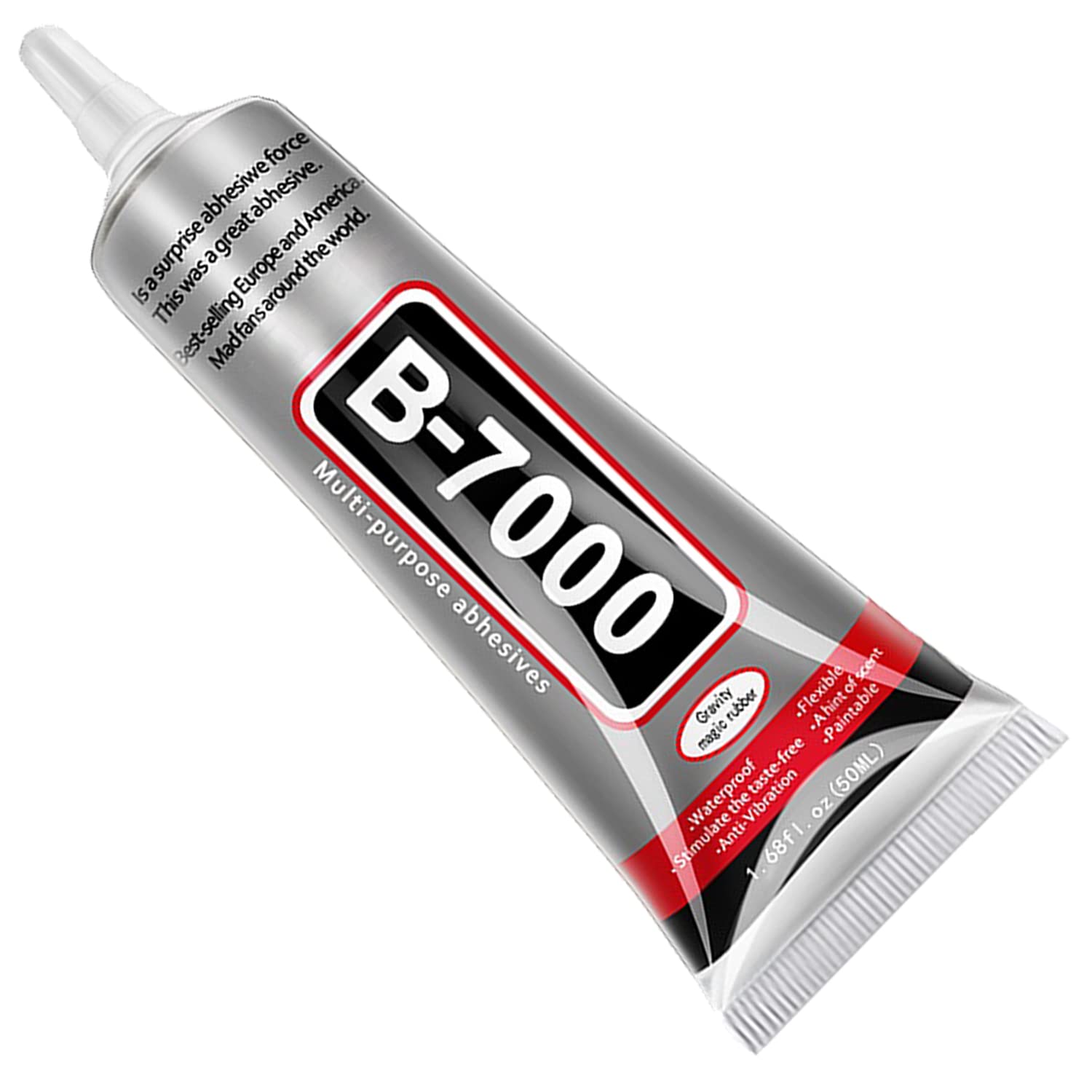 |
Fabric, Multipurpose Super B-7000 | Crystal Clear & Waterproof Precision Tip & Anti-Clog Design Multi-Surface Versatility Perfect for quilting patches Stretches up to 900% without breaking ideal for flexible fabrics |
Check Price |
 |
Fabric Glue Permanent, 60 ML Washable Clear | Quilting Without a Machine Works with All Fabrics Precision Tip & Anti-Clog Cap Great for mixed-media quilts and upcycled textile art. |
Check Price |
 |
Aleene’s Fabric Fusion Needlenose Glue | Creates a permanent adhesive between fabrics and embellishments No Sewing or Ironing Needed Ideal for quilters of all skill levels Machine washable and non-toxic |
Check Price |
 |
Bundle of Sewline Fabric Glue Pen | Solid Glue Stick Formula Pen-Like Precision Water-soluble and acid-free Perfect for temporary holds during sewing or quilting |
Check Price |
 |
Gorilla Waterproof Fabric Glue 2.5 Ounce Tube | 100% Waterproof & Washer-Safe Designed for permanent bonding Ideal for quilts, garments, and accessories Dries completely transparent Needle-Free Convenience |
Check Price |
 |
Permanent Clear Washable Clothing Adhesive for All Fabrics | Superior Bonding Power Built-In Precision Tip Fast Drying Wide Fabric Compatibility Waterproof & Durable |
Check Price |
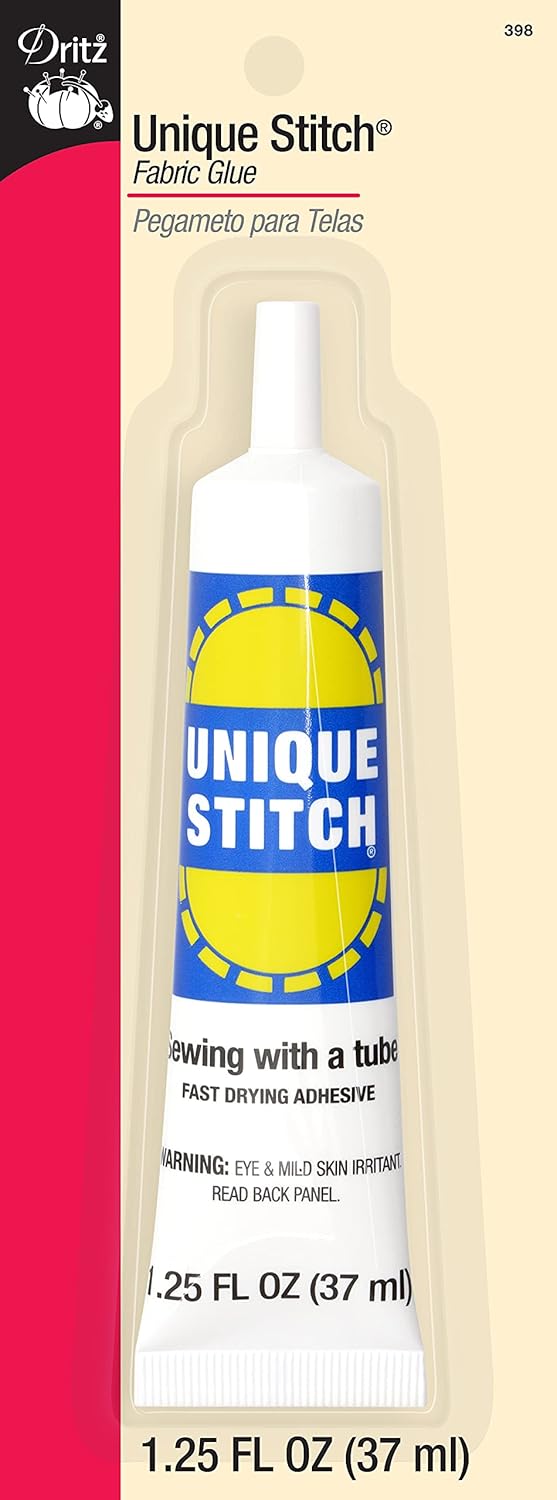 |
Dritz 398 Unique Stitch Stitchless Sewing Liquid Adhesive | Strong, Permanent Bond Bonds securely without stitching, ironing, or heat setting. Non-toxic and gentle on all fabric types. Adds texture and style to your projects |
Check Price |
 |
Lawn Fawn Glue Tube (Pack of 3) | Pen-Like Precision Crystal Clear & Acid-Free Dries completely clear with no residue |
Check Price |
 |
Liquid Stitch Fabric Adhesive | Powerful Performance Stretchable and waterproof Features a squeezable hose container with a tiny metal outlet for controlled application Eco-Friendly & Skin-Safe |
Check Price |
 |
Nanoxa 100ml Fabric Glue | Superior Adhesion & Durability Ideal for visible areas and delicate fabrics Needle-point applicator allows controlled glue placement |
Check Price |
 |
iCraft Fabric Fuse Liquid Adhesive 2.1 FL OZ | Quick & Permanent Bond Dries Clear & Stays Flexible No-Sew Convenience Nontoxic and washable |
Check Price |
 |
Fabric Glue Permanent, Extra Strong Fabric Adhesive | Strong Bond Waterproof & Iron-Safe Precision Tip for Intricate Work Needle-nose applicator allows controlled glue placement for delicate stitching zones Fast Drying |
Check Price |
What Matters Before You Put Glue Near Silk
The bond should remain flexible
A fabric adhesive that cures into a hard spot may hold strongly while making the finished piece look worse. On silk, flexibility is not a luxury feature. It affects how the cloth hangs, folds, and moves against the body. Products that explicitly say the cured bond remains flexible deserve more attention for wearable silk than adhesives created mainly for rigid craft surfaces.
Precision matters more than bottle size
A fine nozzle can be more valuable than a large container. A needle-nose or narrow applicator helps place a tiny line exactly where it belongs and reduces the chance of flooding the weave. For a delicate repair, control usually matters more than speed.
Clear drying is useful, but it does not guarantee invisibility
An adhesive can dry transparent and still alter sheen or texture. On satin silk, even a clear dried film can catch light differently. On pale silk, the boundary between glued and unglued fabric may still show. Always interpret “dries clear” as a color statement, not a promise that the repair will disappear.
Permanent and temporary formulas solve different problems
Permanent glue aims to become part of the finished project. Temporary sewing glue is there to hold pieces while you stitch. If you only need to stop two slippery silk layers from shifting, a removable or water-soluble positioning product can be the more sensible tool. Using permanent adhesive for a temporary job adds stiffness you did not need.
Washable claims need context
A washable glue may survive laundering, but silk itself may require gentler care. Check the garment label first. Then check the adhesive instructions for cure time and washing method. Do not assume “machine washable” means “safe for every washable fabric.”
Surface area changes the risk
A tiny dot under a decorative element is very different from a two-inch-wide patch saturated with adhesive. The more glue you spread, the greater the chance of stiffness, strike-through, visible edges, or uneven drape. On silk, I would rather make several controlled contact points than coat a large area unless the project specifically requires a broad bond.
When Fabric Glue Is the Wrong Repair for Silk
Glue is not the right answer for every tear. A split along a load-bearing seam, a large rip in a valuable garment, or damage in a highly visible satin panel often deserves hand stitching or professional textile repair. Adhesive can stabilize an area, but it cannot restore broken fibers to their original structure.
Be especially cautious with vintage silk, wedding garments, scarves with painted or printed surfaces, and pieces labeled dry-clean only. Age, dyes, finishes, and previous cleaning treatments can all affect how an adhesive behaves. If the project is valuable enough that a visible mark would be upsetting, test on a hidden allowance or spare scrap first and consider sewing instead.
FITTDYHE B7000 Jewelry Glue 50ML – Precise, Elastic Craft Adhesive With a Silk Caveat
FITTDYHE B7000 is a multipurpose clear adhesive sold primarily for jewelry, rhinestones, phone repair, crafts, and mixed-material bonding. Its listing also includes cloth, textile, nylon, and leather among compatible materials, so it is reasonable to discuss it for fabric embellishment work. Still, its identity matters: this is not a dedicated delicate-fabric adhesive developed around silk garments.
That makes it a more believable fit for attaching a small rhinestone, trim end, or decorative component to a craft piece than for closing a silk seam. The narrow metal-style precision tip is useful because it lets you place small drops without coating a wide section of fabric. The manufacturer listing also describes the cured adhesive as highly elastic and waterproof.
Key Features and What They Mean in Practice
The fine applicator is the strongest practical advantage for delicate work. Silk rarely benefits from a heavy bead, so being able to dispense a small dot can reduce saturation. The anti-clog cap also helps keep the narrow outlet usable between projects.
The product is transparent. That reduces the visual problem of an opaque glue line, but it does not eliminate the possibility of a shiny patch or stiffness. A clear adhesive film can still change the way silk reflects light.
The listing promotes high elasticity and a long cure compared with the initial surface set. In practice, that means the project should be left undisturbed after placement. Do not confuse a surface that no longer feels wet with a fully cured bond.
Because B7000 is promoted across hard surfaces as well as fabrics, I would treat silk as a special-case application rather than a routine use. A scrap test is essential, especially on satin or pale colors.
- The precision tip makes very small adhesive placement easier than a wide bottle opening.
- The clear formula is less visually intrusive than opaque craft glue around rhinestones or trim.
- The cured bond is promoted as elastic, which is preferable to a brittle craft bond on moving material.
- Its multipurpose nature is useful for projects that combine fabric with metal, rhinestones, plastic, or other embellishments.
- It is primarily a jewelry and multipurpose craft adhesive, not a silk-specific fabric glue.
- A strong solvent-style craft adhesive can still change sheen or hand on thin silk, even when it dries clear.
Who It’s Best For
This option makes the most sense for mixed-media silk crafts where a tiny decorative item needs a controlled dot of adhesive and where you can test the exact fabric first.
Not Ideal For
It is not a good first choice for long hems, structural seams, broad patches, or expensive silk garments where preserving original drape matters more than maximum bonding strength.
FITTDYHE Fabric Glue Permanent 60ML – Fabric-Focused Formula With a Precision Tip
This FITTDYHE product is different from the B7000 above. It is sold specifically as a washable clothing glue for fabric repairs, patches, rhinestones, denim, leather, polyester, cotton, flannel, and related materials. The listing includes a needle-tip applicator, a glue spreader, and clips for holding a repair during curing.
For silk, the fabric-focused positioning makes it more relevant than B7000, but the published material list still does not specifically promise silk compatibility. I would therefore use the same conservative approach: test first, apply very little, and avoid a visible garment area until you know the glue does not wick through or alter the finish.
Key Features and What They Mean in Practice
The needle-tip nozzle gives good control for narrow hems, patch edges, or tiny embellishment points. That matters because silk does not give you much room to hide overflow.
The listing instructs users to spread the adhesive evenly, clamp the seam, and allow a long cure window. On a heavier fabric, spreading a layer may be straightforward. On silk, I would scale that idea down and use the thinnest workable film rather than saturating the fibers.
The package includes clips. These can hold a folded edge without repeated handling while the adhesive cures, but pressure must be gentle. A clip can emboss or crease some silk surfaces, so place a clean protective layer between the clip and visible fabric if needed.
The adhesive is marketed as permanent and washable. That can be useful for clothing repairs, but the washing instructions for the silk item still take priority.
- A fine applicator supports controlled placement on narrow repair lines.
- The included spreader and clips can help keep a repair aligned while the bond develops.
- It is formulated and marketed specifically for fabric rather than mainly for jewelry or paper.
- The permanent-bond positioning suits repairs that are not meant to be removed later.
- The listing names many fabrics but does not specifically establish silk as a tested material.
- A permanent liquid film can stiffen a lightweight silk edge if it is applied too heavily.
Who It’s Best For
It suits small, non-heirloom fabric repairs where you need a permanent bond and can test a hidden piece of the silk before committing.
Not Ideal For
It is not the product I would reach for first on a large satin panel, a valuable scarf, or any repair where the bonded area has to remain almost indistinguishable from untouched cloth.
Aleene’s Fabric Fusion Needlenose Adhesive – A Dedicated Permanent Fabric Glue
Aleene’s Fabric Fusion Needlenose Adhesive is one of the more clearly fabric-oriented products in this group. The current product information describes a permanent fabric bond that dries clear, remains flexible after washing, and works with fabrics and embellishments. The needlenose version adds the application control that delicate work benefits from.
Aleene’s guidance also says to prewash when appropriate, apply an even coat, press the pieces together, and allow the adhesive to cure before washing. That is useful information, but silk requires a modification to the usual routine: do not prewash a silk garment unless its care label allows it, and do not assume a broad even coat is harmless on a fine weave.
Key Features and What They Mean in Practice
The needlenose applicator lets you create a narrow line rather than pushing glue out through a large opening. For a tiny silk hem or applique edge, that can mean less strike-through and less stiffened area.
Fabric Fusion is designed to remain flexible after the bond cures. That is a meaningful advantage on clothing because the bonded section has a better chance of moving with the textile instead of behaving like a hard patch.
The adhesive dries clear. Again, clear does not mean invisible on glossy silk, but it reduces the risk of an obvious white or yellow glue line.
It is washable after full cure according to the manufacturer’s directions. If the silk item is washable, follow both sets of care instructions. If the silk is dry-clean only, verify compatibility before using a permanent adhesive at all.
- The formula is purpose-built for fabric and embellishment bonding rather than general hard-surface crafting.
- The needlenose tip is well suited to small, controlled applications.
- The cured bond is designed to remain flexible, which is important for garments and soft accessories.
- The manufacturer provides clear cure and washing guidance, making the use process easier to plan.
- The manufacturer’s common fabric examples do not specifically guarantee results on every silk weave or finish.
- A permanent bond still changes the hand of delicate fabric if too much adhesive is used.
Who It’s Best For
This is one of the stronger candidates here for small permanent fabric-to-fabric or fabric-to-embellishment jobs where flexibility matters and a scrap test shows no visible staining.
Not Ideal For
It is not ideal for conservation work, invisible restoration of valuable silk, or any project where future removal of the adhesive may be necessary.
Sewline Fabric Glue Pen Bundle – Temporary Positioning Before You Stitch
The Sewline Fabric Glue Pen belongs in a different lane from the permanent liquid adhesives. Sewline describes it as a pen-style dispenser containing a water-soluble solid glue that goes on colored, dries clear, and temporarily holds fabric in position for sewing. It is widely used for quilting, applique, hemming, and English paper piecing.
That temporary role can actually be very useful with silk. Slippery layers can shift while you baste or hand sew, and a small amount of removable glue may help position an edge without committing the project to a permanent adhesive film. The key is that you are using it as a sewing aid, not pretending it replaces the seam.
Key Features and What They Mean in Practice
The solid glue-stick format is less likely to flood a weave than a runny liquid. You can touch a narrow area along an edge instead of squeezing a bead that may spread unpredictably.
The glue is water-soluble and designed to dry clear. That makes it appropriate for temporary alignment on many fabrics, but water-soluble does not automatically mean risk-free on silk. Some silk can water-spot, so the scrap test still matters.
The bond can be pulled apart and repositioned. This is helpful when matching a narrow hem, applique motif, or folded edge because you can correct alignment before stitching.
The bundle includes the pen and multiple refills, which is practical for frequent sewing work. It also means the product remains useful after one small project rather than becoming a single-use tool.
- The temporary bond supports accurate positioning without replacing the final stitching.
- The solid pen format gives more control than many liquid glues on a lightweight textile.
- The glue dries clear and is water-soluble, supporting removal according to the product directions.
- Repositionability is useful for slippery layers that need careful alignment before sewing.
- It is not a permanent repair adhesive and should not be treated as one.
- Water-soluble glue still needs testing because some silk finishes are sensitive to moisture.
Who It’s Best For
This is best for sewists who want temporary help holding silk hems, folds, applique pieces, or seam allowances while they stitch.
Not Ideal For
It is not suitable as the sole bond for a permanent no-sew repair, a loose embellishment that will never be stitched, or any project that cannot tolerate moisture during removal.
Gorilla Waterproof Fabric Glue 2.5 oz – Durable Bond With Strong Washability Claims
Gorilla Waterproof Fabric Glue is a permanent clear adhesive formulated for fabric and embellishments. Gorilla’s product information emphasizes a waterproof bond that remains flexible after washing, along with washer-and-dryer safety once cured. The listed materials commonly include fabric, felt, denim, canvas, ribbon, buttons, and rhinestones.
That makes it relevant to wearable craft projects, but silk is not usually singled out in the main material examples. The formula’s durability is attractive if you are repairing something that will be cleaned, yet the delicate nature of silk means you should not interpret “waterproof” as “safe to apply generously.”
Key Features and What They Mean in Practice
A permanent flexible bond is a better match for moving fabric than a rigid household adhesive. For a small edge repair or embellishment backing, flexibility reduces the chance that the bonded spot behaves like hard plastic.
The glue dries clear, which helps on visible work, though sheen change remains possible. On silk satin, test from the front after full cure under strong side lighting, not just while the glue is wet.
Waterproof and washer/dryer-safe claims matter for ordinary garments. Silk care may be gentler, so follow the fabric’s care label even if the adhesive can tolerate harsher washing.
The formula is designed to bond difficult embellishments as well as fabric. This can make it useful for trim, ribbon, or decorative elements on a silk-based craft project where a stitch would be visible or awkward.
- The permanent bond is formulated to remain flexible after washing.
- Clear curing helps keep small repair lines less noticeable than opaque glue.
- The product is designed specifically for fabric and embellishments.
- Strong water-resistance makes it suitable for washable projects when the fabric care instructions also permit washing.
- Silk is not a prominent material in the manufacturer’s standard compatibility examples, so testing is essential.
- Its strong permanent bond can be excessive for a delicate project that would be better stabilized with stitching.
Who It’s Best For
It suits small permanent craft or garment repairs where durability and wash resistance matter more than removability and where the exact silk has passed a hidden-area test.
Not Ideal For
It is not ideal for museum-quality textiles, dry-clean-only silk without confirmed compatibility, or very sheer fabric where any cured film would be easy to see.
FG60g Permanent Clear Washable Fabric Glue – Fine Tip With a Long Cure
This listing is sold as a permanent clear washable clothing adhesive for cotton, flannel, denim, leather, polyester, nylon, and other fabrics. The current listing identifies the selected size as FG60g and describes a full cure around 24 hours, along with waterproof performance after curing.
The product also uses a narrow application tip, which is helpful for delicate work. However, the broad “all fabrics” marketing language should not replace a real silk test. Silk’s weave and finish can expose adhesive behavior that is not obvious on denim or flannel.
Key Features and What They Mean in Practice
The fine nozzle allows a narrow bead, helping you keep glue inside a seam allowance or under a small patch. For silk, that is more useful than a wide-spout bottle that encourages over-application.
The adhesive is described as clear and non-yellowing. That is desirable for pale fabric, but surface gloss can still remain visible even if the glue itself has no color.
The listing emphasizes a long cure rather than instant handling strength. Give the repair time. Moving a silk piece while the adhesive is still soft can spread the glue farther through the weave and create an uneven bond.
The formula is sold as waterproof and washable after cure. Match that durability to a silk project only if the textile itself is meant to be washed.
- The narrow applicator helps control the amount used on a delicate edge.
- Clear curing is useful for light-colored or patterned projects where an opaque line would show.
- A permanent washable bond can suit small functional repairs on washable textiles.
- The long cure encourages a set-and-leave approach rather than repeated handling while wet.
- The listing does not provide silk-specific evidence despite its broad compatibility language.
- A glossy dried film may still be visible on smooth or lustrous silk.
Who It’s Best For
It is best for budget-conscious no-sew repairs on ordinary fabric projects and for silk only after a careful test proves the finish stays acceptable.
Not Ideal For
It is not ideal for highly visible satin surfaces, valuable garments, or wide-area lamination where any change in drape would be obvious.
Dritz 398 Unique Stitch – Permanent Stitchless Sewing Adhesive for Hems and Trim
Dritz Unique Stitch is a long-established stitchless sewing adhesive intended for fabric-to-fabric bonding and for attaching items such as ribbon, bias tape, patches, zippers, hook-and-loop strips, and embellishments.
Product information describes the adhesive as water-soluble while wet, non-toxic, and permanent once dry, with bonded garments able to tolerate washing and machine drying; some uses may also tolerate dry cleaning according to product directions.
For silk, the appeal is obvious: hemming and trim work are exactly the places where someone might want to avoid visible stitches. The limitation is equally important. A no-sew hem creates a continuous adhesive line, and that is where silk is most likely to become noticeably stiff.
Key Features and What They Mean in Practice
The permanent fabric-to-fabric bond makes Unique Stitch a genuine sewing adhesive rather than a general craft glue. It is designed around fabric assembly, which gives it a more relevant use profile than B7000 or paper adhesive.
It can attach trims and narrow notions as well as join fabric. On silk, that suggests a sensible role for hidden trim ends, small facing areas, or decorative work where the bond is kept narrow.
The adhesive is water-soluble before curing, making wet cleanup possible according to instructions. That does not mean you should wipe wet glue across silk; rubbing can push adhesive farther into the fibers.
Its washable permanent result is convenient for clothing. Again, garment care should remain the stricter standard.
- The product is designed specifically for stitchless fabric bonding and hemming tasks.
- It can attach fabric, trims, patches, ribbon, and related sewing notions.
- The permanent bond is intended to survive garment care after proper curing.
- Water cleanup while wet gives you a chance to clean tools and accidental contact before curing, following the directions carefully.
- A continuous glued hem can make lightweight silk noticeably firmer than a sewn hem.
- Dry-clean compatibility is use-dependent, so it should not be assumed for every silk garment.
Who It’s Best For
It suits narrow hems, trims, and small non-structural fabric bonds where a stitchless finish is useful and a hidden test shows acceptable flexibility.
Not Ideal For
It is not ideal for large flowing panels, delicate couture work, or repairs that need to remain reversible.
Lawn Fawn LF1664 Glue Tube Pack of 3 – A Paper Craft Glue, Not a Silk Repair Pick
Lawn Fawn LF1664 is a water-based, acid-free glue designed for paper crafting. It dries clear and has a pen-like tube that supports precise application. That product identity is important because a precise craft glue can look suitable for delicate work while still being the wrong chemistry for fabric.
That does not make it a fabric adhesive. A glue can be acid-free and precise without being formulated for the movement, laundering, or fiber structure of silk. I would not choose this for a silk garment repair simply because the nozzle looks convenient.
Key Features and What They Mean in Practice
The pen-like shape gives excellent control for paper, die cuts, card making, and other small craft pieces. Precision is valuable, but the substrate recommendation matters more than the applicator.
The glue is water-based and acid-free. Those are appropriate traits for paper crafting, especially projects where archival concerns matter. They do not establish wash resistance or fabric flexibility.
It dries clear. On paper, that helps keep edges tidy. On silk, there is no manufacturer-backed reason to expect the bond to remain flexible through wear or cleaning.
The pack-of-three format provides extra supply, but quantity should never outweigh material compatibility.
- The narrow tube gives clean, controlled application for its intended paper-craft work.
- The adhesive is water-based and acid-free.
- It dries clear, reducing visible residue on paper projects.
- The multipack is convenient for people who already use this glue for card making or paper crafts.
- It is marketed for paper crafting, not fabric bonding or silk repair.
- There is no credible reason to choose it over a dedicated fabric adhesive for a washable silk project.
Who It’s Best For
It is best for people who already use the adhesive for paper crafts and want to keep it in that intended role rather than using it on silk.
Not Ideal For
It is not a recommended choice for silk garments, washable fabric repairs, structural textile seams, or projects where flexibility after curing is essential.
Cerca de Mighty Mend Liquid Stitch Fabric Adhesive 2 oz – Flexible Waterproof Repair Glue
Cerca de Mighty Mend is a fabric adhesive sold for permanent clear, flexible, waterproof fabric repair. Current listings describe a hose-style container with a tiny metal outlet for controlled placement, along with compatibility claims covering cotton, denim, leather, polyester, nylon, upholstery, clothing, and similar textile work.
That makes it a legitimate fabric-repair product, but not a silk-specific formula. Its strongest advantage for delicate work is the tiny metal outlet. Its strongest caution is the same as several other permanent adhesives here: the formula is built for durability across robust fabrics, so a very light silk still needs a conservative application.
Key Features and What They Mean in Practice
The narrow metal outlet is designed to control both position and glue volume. This can help on a small tear backing or narrow edge where one extra drop might become visible from the front.
The adhesive is marketed as flexible after curing. That is useful for clothing because a flexible patch is less likely to create a hard hinge in the fabric.
Waterproof performance supports washable textile repairs. For silk, use that benefit only when the garment itself can be washed and the repair has fully cured.
Some listings bundle small preparation tools. Those may be useful on leather or upholstery, but abrasive preparation tools should not be used casually on silk. The fabric needs gentler handling than the accessory kit might suggest.
- The tiny metal outlet provides good control for small repair lines.
- The cured bond is promoted as flexible rather than brittle.
- Water resistance supports durable fabric repairs after full cure.
- The formula is marketed across multiple textile materials and clothing repairs rather than only hard-surface crafts.
- Silk is not specifically established in the main compatibility guidance.
- The heavy-duty repair positioning may be more adhesive than a delicate silk detail actually needs.
Who It’s Best For
It suits small fabric repairs where a precise nozzle and durable flexible bond are priorities, provided a test confirms the silk does not stain or stiffen objectionably.
Not Ideal For
It is not ideal for broad decorative silk panels, conservation work, or a repair where you want the option to remove the adhesive later.
Nanoxa 100ml Fabric Glue – Quick-Setting Clothing Repair Adhesive
Nanoxa’s 100ml fabric glue is marketed as a permanent clothing-repair adhesive for hemming, leather, DIY crafts, upholstery, textile, felt, badges, and related work. Product information describes a needle-tip applicator, a clear flexible bond, machine-washable performance after cure, and an initial set measured in minutes with a longer full cure.
The needle tip and flexible finish are attractive qualities for small silk projects. The material examples, however, focus on general clothing and craft fabrics rather than explicitly validating fine silk. That means the product belongs in the “possible after testing” group rather than the “silk-safe by manufacturer statement” group.
Key Features and What They Mean in Practice
The needle-point applicator allows small, deliberate glue placement. This is useful around narrow hems, badges, or applique edges, though heavy badges themselves are usually a poor match for lightweight silk.
The formula is described as transparent and flexible after curing. Those are two of the traits I would want before even considering a permanent glue for clothing.
A relatively quick initial set can reduce the time pieces need to be held in position. Still, do not handle the repair as if it were fully cured. The strength and wash resistance depend on allowing the full cure period.
The 100ml volume is generous for repeated fabric projects. For silk, the larger bottle should not tempt you to use a larger amount per repair.
- The needle tip supports precise placement on small textile repairs.
- The cured bond is marketed as clear and flexible.
- The adhesive is intended for clothing repairs and other fabric work.
- Machine-washable positioning can be useful for washable projects after full cure.
- The available compatibility information does not specifically confirm performance on silk.
- A quick-setting formula gives less time to correct alignment once the pieces start to grip.
Who It’s Best For
It suits frequent general fabric repair work and small silk tests where controlled application and flexibility matter.
Not Ideal For
It is not ideal for a first attempt on a valuable silk garment, a broad sheer panel, or a repair that needs extended repositioning time.
iCraft Fabric Fuse Liquid Adhesive 2.1 fl oz – Washable Flexible No-Sew Adhesive
iCraft Fabric Fuse, manufactured by Therm O Web, is a dedicated liquid fabric adhesive. Product information describes it as a washable, permanent quick-bond adhesive that dries clear and remains flexible, with intended use on fabrics and embellishments. Those claims align well with the basic needs of wearable craft work.
Compared with a jewelry glue or paper glue, Fabric Fuse has a more convincing reason to be considered for textile projects. Still, the same silk rule applies: a fabric adhesive can be appropriate in general and still leave a visible mark on a particular silk weave or dye.
Key Features and What They Mean in Practice
The adhesive is designed to remain flexible after curing. That reduces one of the biggest practical concerns with glued clothing: a stiff spot that resists the fabric’s natural movement.
It dries clear, which is useful beneath trims or small layered details. Test on glossy silk because a transparent film can still alter reflection.
The bond is permanent and washable after proper cure. That is helpful for practical craft projects, but it also means mistakes are harder to reverse. Alignment needs to be right before the glue fully grabs.
The product is nontoxic according to its published description. Normal glue-handling precautions still apply, including keeping the work area clean and avoiding unnecessary skin contact.
- The formula is specifically made for no-sew fabric crafting.
- It is designed to dry clear and remain flexible.
- The permanent washable bond suits clothing and fabric embellishment work after full cure.
- The product is backed by a sewing-and-craft adhesive manufacturer with clear intended-use information.
- The published guidance does not guarantee invisible results on silk satin, chiffon, or other fine silk weaves.
- Permanent bonding leaves less room to undo a placement error after curing.
Who It’s Best For
This is one of the more credible choices in the fixed list for small permanent silk craft work, provided the exact fabric passes a test for staining, stiffness, and sheen change.
Not Ideal For
It is not ideal for reversible textile work, heirloom conservation, or large areas where an adhesive layer would interfere with drape.
GleamGlee Fabric Glue Permanent Extra Strong Clear Washable Clothing Glue – Fine-Tip No-Sew Repair Formula
GleamGlee’s fabric glue listing describes a clear, permanent, flexible, washable bond, a fine needle-tip applicator, an anti-clog cap, and use on clothing, denim, patches, felt, leather, curtains, upholstery touch-ups, trims, and craft projects.
The listing also describes a relatively quick initial set followed by a longer full cure. For silk, that combination can be useful only if you work in very small areas. A narrow tip helps; a rushed application does not.
Key Features and What They Mean in Practice
The precision tip is the feature I would value most for delicate repair. It allows a controlled bead under a fold or small backing piece instead of forcing you to spread glue with a separate tool.
The formula is marketed as flexible after curing rather than stiff or brittle. That is important for a garment repair that needs to bend with the fabric.
Clear, washable, and waterproof claims make the adhesive suitable for ordinary clothing repairs after full cure. Those claims do not override a silk care label, and they do not prove that the glue will be visually invisible on a fine weave.
The anti-clog pin in the cap is practical for repeated use because a fine nozzle is only helpful if it stays open. Store it exactly as directed so dried adhesive does not interfere with controlled application later.
- The fine needle tip gives strong control over small glue lines.
- The cured bond is designed to remain flexible with fabric movement.
- Clear curing supports cleaner-looking no-sew repairs than an opaque adhesive.
- Washable, waterproof positioning can suit durable fabric projects once the bond has fully cured.
- The listing’s “delicate fabrics” language is broad and does not replace a silk-specific test.
- Fast initial setting can make repositioning difficult if the pieces are not aligned carefully from the start.
Who It’s Best For
It suits small, controlled fabric repairs where a fine nozzle and flexible permanent bond are the priorities and where the silk has been tested first.
Not Ideal For
It is not ideal for expensive visible silk, broad bonding areas, or projects that need a removable or conservation-friendly repair.
How the Fixed Products Compare in Practice
The most useful way to compare these adhesives is by job rather than by strength claim. For temporary positioning before stitching, Sewline stands apart because it is intentionally removable and water-soluble. That is a different purpose from the permanent liquid products.
For a permanent fabric bond, Aleene’s Fabric Fusion, iCraft Fabric Fuse, Dritz Unique Stitch, Gorilla Waterproof Fabric Glue, Nanoxa, FITTDYHE 60ML, the FG60g glue, Cerca de Mighty Mend, and GleamGlee all have more relevant fabric-repair positioning than B7000. Their differences are mainly applicator control, flexibility claims, cure process, and the kind of textile work highlighted by the manufacturer or listing.
For tiny embellishments that combine fabric with rhinestones or other craft materials, B7000 can make sense because mixed-material bonding is central to its design. That does not make it the best choice for joining two silk seam allowances.
Lawn Fawn sits outside the fabric group. Its product information is for paper crafting. Keeping it in the article is useful because it prevents a reader from assuming that every clear, acid-free glue with a fine tube is automatically suitable for silk.
If I had to reduce the decision to one principle, it would be this: choose the adhesive whose intended use most closely matches the actual repair, then test it on the exact silk. Do not start with the strongest glue and try to force the fabric to tolerate it.
How to Apply Fabric Glue to Silk With Less Risk
1. Read the silk care label before opening the glue. If the garment is dry-clean only, heavily embellished, vintage, or unusually valuable, that should change your repair plan. A washable glue does not make a dry-clean-only garment washable.
2. Test on matching scrap or a hidden allowance. Apply the same amount you intend to use in the repair. Let it cure fully, then inspect both sides under direct light and side light. Look for darkening, shine, stiffness, puckering, or a visible glue boundary.
3. Clean only as the fabric allows. Dust and skin oils can weaken adhesion, but aggressive washing can damage silk before the repair even begins. If the item can be washed, use the appropriate silk-safe method and let it dry fully. If it cannot, avoid inventing a cleaning process simply because an adhesive instruction mentions prewashing.
4. Protect the work surface. Place clean nonstick craft material or another suitable barrier beneath the repair so adhesive cannot transfer through the silk to the table. Make sure the support is smooth; texture underneath can emboss fine fabric while pressure is applied.
5. Use less glue than you think you need. Start with a pin-sized dot or very narrow line. A fine nozzle, toothpick, or the product’s own precision applicator can help. The goal is contact between the surfaces, not saturation of the weave.
6. Align before pressing firmly. Dry-fit the pieces first. Once the position is correct, then apply the adhesive and bring the layers together. This is especially important with quick-setting permanent formulas because repeated sliding can spread glue beyond the intended area.
7. Apply gentle, even pressure. Use clean fingers, a smooth protective layer, or light clips if the product directions allow them. Avoid crushing textured silk or leaving clip marks on satin. The adhesive needs contact, not excessive force.
8. Leave the repair undisturbed for the full cure. A bond can feel dry at the surface long before it reaches final strength. Follow the specific cure instructions for the product you used, then handle, wash, or wear the item only after that period has passed.
9. Recheck the fabric after curing. Look again for stiffness and shine. If the test area already feels too rigid, do not scale the same adhesive up to a larger repair. Then choose stitching, a smaller bonding area, or professional repair instead.
Caring for Silk After an Adhesive Repair
A glued silk item should be treated according to the more restrictive of two care systems: the textile’s care label and the adhesive’s cured-care instructions. If the glue is washer-safe but the silk is hand-wash only, hand washing still wins. If the garment is dry-clean only and the adhesive does not clearly support that process, do not assume the repair will survive solvent cleaning.
Avoid scrubbing the glued area. Mechanical rubbing can stress the boundary between bonded and unbonded fabric and may leave the surrounding silk looking different even if the adhesive holds. Gentle handling also reduces the chance of peeling an embellishment from a small contact point.
Heat deserves caution. Some fabric glues tolerate low-temperature drying or ironing after cure, while silk can be damaged by excessive heat. Use the garment-care instruction rather than the maximum heat the adhesive can survive.
Store repaired silk clean, dry, and without a hard fold directly through the glued spot. A permanent adhesive patch can create a crease line if the item is folded under pressure for long periods.
Habits That Leave Silk Stiff, Shiny, or Stained
Squeezing a wide bead because the repair feels important
More adhesive does not automatically create a better repair. On silk, excess glue can travel through the weave, increase stiffness, and make the bond boundary visible. Use the smallest amount that creates reliable contact.
Trusting “dries clear” without checking sheen
Clear glue can still dry glossy. This is easy to miss when looking straight at the fabric and obvious when light strikes from the side. Test the cured sample under the same lighting in which the garment will actually be seen.
Using a permanent glue for temporary positioning
If the only goal is to keep two layers aligned until they are stitched, a permanent film can add unnecessary stiffness. A product such as the Sewline temporary glue pen exists specifically for positioning fabric before sewing.
Treating every fabric claim as a silk claim
A listing that says cotton, denim, leather, polyester, and “fabric” is not the same as a manufacturer specifically validating silk. The safest response to missing silk-specific information is a controlled test, not an assumption.
Moving the repair before full cure
A partly set adhesive can stretch into strings, smear beyond the seam, or form an uneven bond. Position once, secure gently, and then leave the project alone for the full cure period specified by the product.
Ignoring the garment’s cleaning instructions
Washability is a feature of the adhesive, not permission to change how the silk should be cleaned. If the garment requires hand washing or dry cleaning, that remains part of the repair decision.
Using paper glue because the nozzle is convenient
Applicator design and adhesive chemistry are separate things. Lawn Fawn’s fine tube is convenient for paper crafting, but that does not make the formula a fabric repair adhesive. Choose by intended substrate first, nozzle second.
Safety and Handling Notes
Fabric and craft adhesives should be used in a clean, well-ventilated workspace according to their labels. Keep glue away from eyes, mouth, food-preparation surfaces, children, and pets. A product described as nontoxic still needs ordinary responsible handling.
Avoid prolonged skin contact with uncured adhesive and wash hands after the project. For solvent-style multipurpose products such as B7000, ventilation is especially important. Follow the product label rather than assuming that all clear glues have the same chemistry.
If glue contacts a valuable silk surface where it was not intended, do not immediately rub or flood the spot with solvent. Different adhesives require different cleanup methods, and an improvised solvent can damage silk dye or finish. Check the adhesive manufacturer’s cleanup guidance and, for valuable garments, consider a textile professional.
Frequently Asked Questions
Can fabric glue be used on real silk?
Sometimes, but not every fabric glue is validated for every silk weave and finish. Use a product intended for fabric, test it on matching scrap or a hidden allowance, and inspect the fully cured result for staining, shine, stiffness, and loss of drape before using it on a visible area.
Which type of glue is least likely to make silk stiff?
A temporary positioning glue used sparingly and followed by stitching usually adds less permanent stiffness than a broad layer of permanent adhesive. Among permanent products, look for formulas that explicitly remain flexible after curing, then confirm the result on your own silk.
Can I glue a silk hem instead of sewing it?
A narrow glued hem is possible with some permanent fabric adhesives, but it can feel firmer than a sewn hem and may show through on lightweight silk. For expensive clothing or a hem that needs fluid drape, hand stitching is usually the more conservative solution.
Is Sewline Fabric Glue Pen permanent?
No. Sewline describes its glue pen as a water-soluble temporary fabric-positioning product intended to hold pieces while sewing. It is useful for alignment, applique, hemming preparation, and paper piecing, but it should not be treated as the final structural bond.
Is Lawn Fawn Glue Tube suitable for silk?
Its published product information describes it as an acid-free, water-based paper-crafting glue. That is not the same as a fabric adhesive, so I would not choose it for silk garment repair when dedicated fabric formulas are available.
Does clear fabric glue become invisible on silk?
Not necessarily. The glue itself may dry transparent while the bonded area still looks shinier, darker, or flatter than the surrounding silk. Side lighting is especially good at revealing these changes during a scrap test.
Can glued silk be washed?
Only if both the silk item and the fully cured adhesive allow the same cleaning method. A machine-washable glue does not override a hand-wash-only or dry-clean-only care label.
How much glue should I use on silk?
Use the minimum amount needed to create contact. On a fine repair, that may be tiny dots or a very narrow line rather than a fully saturated strip. If the test patch feels noticeably stiff after cure, reduce the amount or change the repair method.
Are waterproof fabric glues better for silk?
Waterproof performance can be useful for washable items, but it does not tell you whether the adhesive will preserve silk’s appearance and drape. Flexibility, precision, substrate compatibility, and a successful scrap test matter just as much.
What should I do with a tear that carries tension?
A structural tear or seam that will be pulled during wear usually deserves stitching, reinforcement, or professional repair rather than relying on adhesive alone. Glue can sometimes stabilize a small backing piece, but it should not be expected to rebuild the original fiber strength of the fabric.
Choosing Fabric Glue for Silk Without Sacrificing the Fabric
The best fabric glue for silk is not simply the bottle with the strongest bond. It is the product whose intended use matches the repair, whose cured film stays flexible enough for the project, and whose application can be kept small and controlled.
Among these products, dedicated fabric formulas such as Aleene’s Fabric Fusion, iCraft Fabric Fuse, Dritz Unique Stitch, Gorilla Waterproof Fabric Glue, and the other fabric-repair adhesives have a more relevant role than a paper glue or jewelry-first adhesive. Sewline serves a different purpose entirely: temporary positioning before stitching.
Silk gives you very little margin for a messy test. Try the adhesive on matching scrap, let it cure completely, inspect it from both sides, and then decide whether the bond is worth the change in hand or sheen. That small test is usually more useful than any broad claim printed on a bottle.