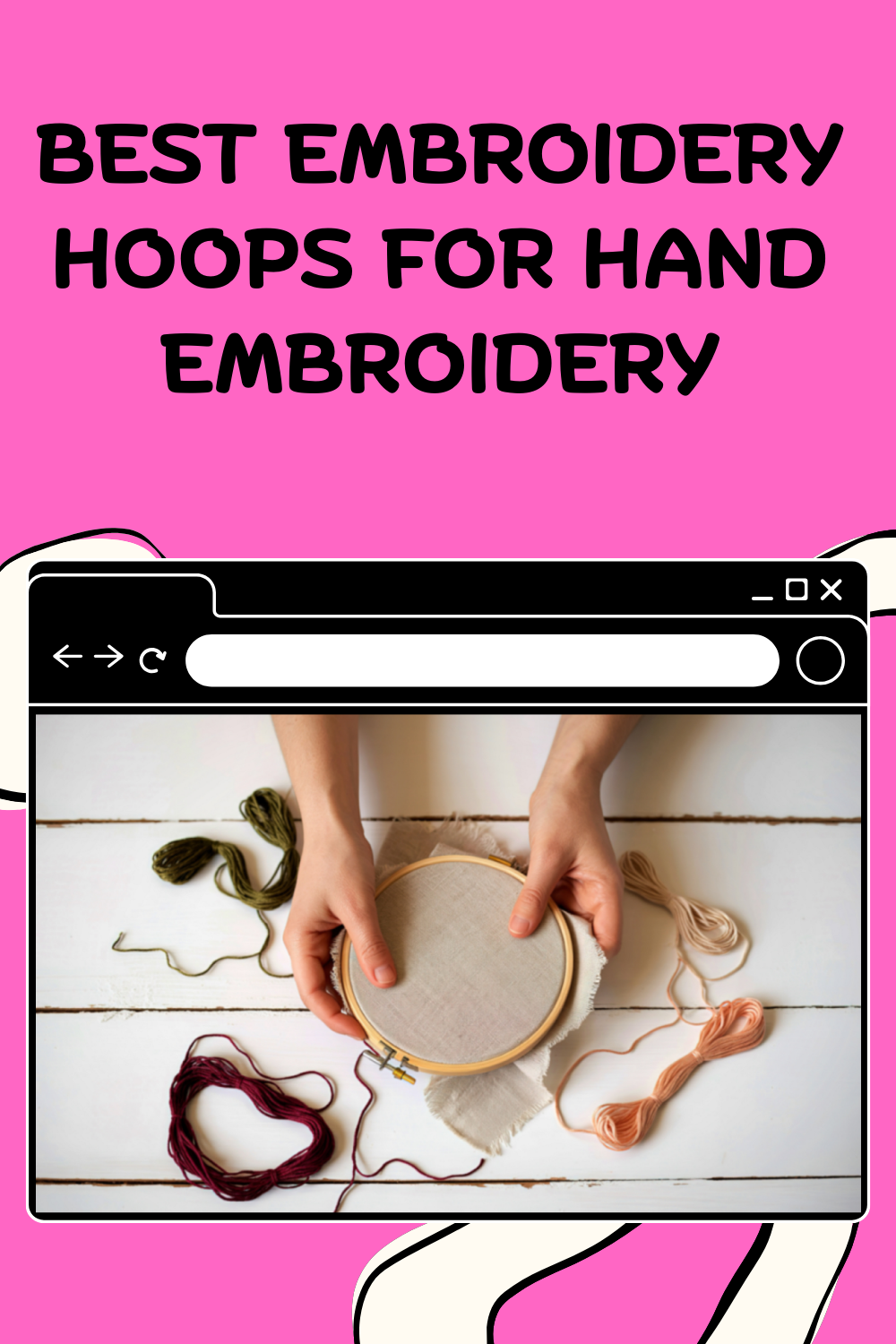
If you’re just starting your hand embroidery journey, one of the first things you’ll need is a good embroidery hoop. But let’s be real, there’s a lot of options out there. So, how do you pick the best one for your projects?
You want something sturdy, comfortable, and, let’s be honest, pretty enough to leave on display. No worries, I’ve got your back! Let’s chat about everything you need to know about embroidery hoops, from the types to the features that make all the difference.
| Product Image | Product Name | Features | Price |
|---|---|---|---|
 |
Caydo 6 Pieces Embroidery Hoop Set | Polished surface ensures comfort during use, preventing scratches or irritation to hands. Stainless steel screws with anti-skid embossed texture keep fabric tightly fixed in place. Designed for easy handling without compromising sturdiness, ideal for long crafting sessions. Perfect for embroidery, cross-stitch, fabric painting, quilting, and DIY crafts. |
Check Price |
 |
Similane 5 Pieces Embroidery Hoops | Made from lightweight yet firm hoops for durability and comfort during use. Stainless steel screws with improved design make tightening and loosening fabric easy. Suitable for embroidery, cross-stitch, fabric painting, quilting, and other handcrafts. |
Check Price |
 |
XEmbro 6 Pieces Embroidery Hoop | Made from high-quality polypropylene, these hoops are sturdy, lightweight, and resistant to deformation. Lightweight design makes them comfortable to use and convenient to carry anywhere. Larger ridge-textured screw ensures better tightening and secure fabric hold. Easy to assemble: loosen screw, place fabric, and secure with the outer hoop. |
Check Price |
 |
Biaungdo 6 Pcs Embroidery Hoops Set | Durable, lightweight, splinter-free, and visually appealing with a smooth finish. No burrs, ensuring comfort and safety during long embroidery sessions. Double-layer design with anti-slip patterns keeps fabric taut for precise stitching. Perfect for embroidery, cross-stitch, quilting, fabric painting, and DIY crafts. |
Check Price |
 |
TINDTOP 16 Pieces 6 Inch Embroidery Hoops | Made from high-quality bamboo with stainless steel screws for strength and longevity. Splinter-free design ensures safe handling during long embroidery sessions. Simple assembly: separate inner and outer frame, place fabric, and tighten securely. Stainless steel screws keep cloth taut, ensuring precise stitching and professional results. |
Check Price |
 |
XEmbro 9 Pieces Embroidery Hoops | Made from natural bamboo with a smooth, splinter-free finish for comfort and durability. Adjustable screws with non-slip embossed texture keep fabric firmly in place. Ideal for small embroidery patterns, detailed stitching, or decorative projects. |
Check Price |
 |
2 PCS Beech Wood Embroidery Hoops | Burr-free surface is gentle on delicate fabrics like silk, ensuring a flawless embroidery experience. Copper screws provide a firm, rust-proof grip to keep fabric taut without slipping. Screws are simple to tighten or loosen, allowing quick setup and fabric changes. Ideal for embroidery, cross-stitch, punch stitch, and mounting art projects. |
Check Price |
Why an Embroidery Hoop Makes a Difference
You might be thinking, “Can’t I just stitch on any old fabric? Why do I need a hoop?” Well, let me tell you, a good hoop isn’t just a fancy accessory it’s a game-changer. The right hoop ensures your fabric stays taut and even, which makes your stitches neat and precise.
Imagine trying to embroider on loose fabric your stitches will be uneven, and you’ll be fighting with the fabric rather than enjoying your creative flow. Trust me, it’s worth investing in a hoop that helps you achieve those crisp, perfect stitches.
Types of Embroidery Hoops: Which One Fits Your Style?
Wooden Embroidery Hoops
Wooden hoops are the classic choice. These hoops are sturdy and tend to provide a vintage vibe that many embroidery lovers adore. Plus, they come in various sizes, so you can choose one that fits your project perfectly. But keep in mind they can sometimes get a little slippery, so you might need to adjust the tension every now and then.
Pros of Wooden Hoops:
- Classic and sturdy
- Available in a range of sizes
- Aesthetic charm, especially for display
Cons of Wooden Hoops:
- Can be slippery
- Prone to warping if exposed to moisture
Plastic Embroidery Hoops
Plastic hoops are super lightweight and usually a bit more affordable than their wooden counterparts. They’re also great if you’re doing a lot of stitching, as the lightweight nature makes them comfortable to hold for extended periods.
Pros of Plastic Hoops:
- Lightweight and easy to handle
- More affordable
- Available in various colors
Cons of Plastic Hoops:
- Less “vintage” appeal
- Can feel less sturdy
Bamboo Embroidery Hoops
Bamboo hoops are eco-friendly and sturdy, offering a middle ground between wooden and plastic hoops. They’re lightweight, which is great for long stitching sessions, but also have that classic wooden look.
Pros of Bamboo Hoops:
- Environmentally friendly
- Lightweight yet durable
- Natural look that complements the craft
Cons of Bamboo Hoops:
- Can be pricier than plastic
- May need a little sanding to prevent snags
Key Features to Look for When Choosing an Embroidery Hoop
Tension Adjustment
You want your fabric to stay taut, right? Tension is everything when it comes to embroidery. Some hoops come with a screw that you can tighten to keep your fabric nice and tight, while others feature a spring mechanism for easier tension adjustments. In my experience, the screw-tightened hoops tend to be a bit more reliable for keeping your fabric in place.
Comfort and Grip
Embroidery might seem like a relaxing activity, but trust me, your hands will thank you for a comfortable hoop. Look for hoops that have an ergonomic grip or some kind of padding to make sure you don’t develop any hand cramps. Bamboo or plastic hoops with a nice coating can be super comfy, while wooden ones often benefit from rubber or soft-touch grips.
Size Matters
Choosing the right size hoop is crucial. For beginners, smaller hoops (like 4-6 inches) are perfect for small designs and ease of handling. But if you’re working on larger projects, go for bigger hoops (8-10 inches). Just make sure the size matches the complexity of your design!
Durability and Materials
A good embroidery hoop should stand the test of time. Wooden hoops might eventually get worn out or warp, while plastic hoops might crack after extensive use. Bamboo strikes a balance, offering both durability and eco-friendliness. In the end, it’s about finding what works best for your style and comfort.
The Best Embroidery Hoops for Different Projects
For Beginners: The Classic Wooden Hoop
If you’re new to embroidery, the classic wooden hoop is an excellent starting point. It’s affordable, easy to use, and gives you that “classic” embroidery feel. Plus, they come in plenty of sizes, so you can find one that suits your projects, whether you’re starting small or going bigger.
For Comfort: The Plastic Hoop with Tension Adjustment
If comfort is your top priority, a plastic hoop with built-in tension adjustment is a great choice. These hoops are lightweight, so your hands won’t tire out as quickly, and the tension adjustment feature makes it easier to keep your fabric taut. Plus, they’re available in fun colors if you’re into aesthetics!
For Displaying Your Work: The Fancy Bamboo Hoop
Once you’ve created something beautiful, why not show it off? A bamboo embroidery hoop is a wonderful option for displaying your creations. It offers a natural, vintage vibe and is durable enough to hold your embroidery in place without looking out of place on your wall. You could also try customizing the hoop with a little paint for a personal touch.
How to Maintain Your Embroidery Hoops
You don’t want your hoops falling apart halfway through a project (I’ve been there—total nightmare!). Here’s how to keep them in good condition:
- Wooden hoops: If your wooden hoop is feeling loose, try tightening the screw or using a little beeswax to keep it in shape. And remember, wooden hoops love dry environments too much moisture can cause them to warp.
- Plastic hoops: These can crack over time, especially if they’re too tight or dropped. Try to handle them with care, and keep an eye on any cracks that might form.
- Bamboo hoops: Bamboo is naturally resistant to moisture, but that doesn’t mean you should dunk it in water. Wipe them down gently to avoid any dirt build-up, and store them in a cool, dry place.
Common Mistakes to Avoid When Using an Embroidery Hoop
We all make mistakes, but here are a few things you might want to avoid to make sure your stitching is flawless:
- Over-tightening your fabric: Sure, you want your fabric taut, but don’t go overboard! Over-tightening can damage the fabric and make it harder to stitch neatly.
- Using the wrong size hoop: Sometimes, it’s easy to think that a larger hoop will give you more freedom, but it can make it harder to handle. Choose a hoop that fits the design you’re working on.
- Forgetting to loosen the hoop after stitching: If you keep your fabric in the hoop for too long, it might leave an imprint on your fabric. Remember to loosen it once you’re done stitching, and let it breathe!
Conclusion: Time to Pick Your Perfect Hoop
At the end of the day, the best embroidery hoop is the one that feels like it was made for you. Whether you’re a beginner just starting out or a seasoned pro looking for something sturdy and reliable, there’s a hoop out there that’ll make your stitching experience that much better.
So, what are you waiting for? Go ahead and pick one that fits your style and start stitching! Embroidery is all about creating something beautiful with your own two hands, and the right hoop can make all the difference. Happy stitching!