
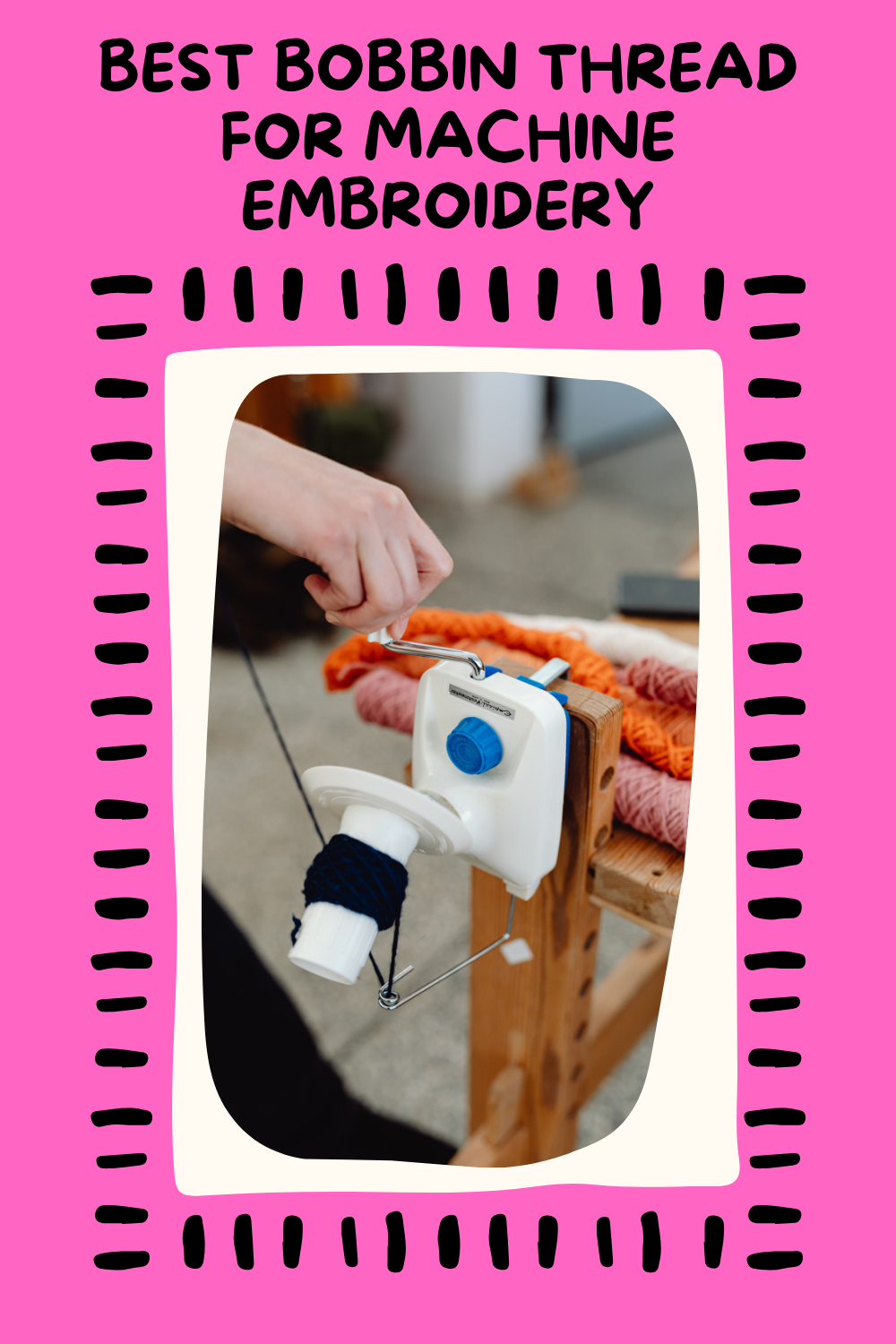
If you’re into machine embroidery, then you already know that the bobbin thread is as crucial to your project as the top thread. You can’t just throw any old thread into the bobbin and hope for the best. Nope!
Bobbin thread plays a significant role in your stitching quality and the longevity of your designs. Whether you’re working on a custom patch, a monogrammed towel, or some stylish apparel, getting the best bobbin thread can make a huge difference.
In this article, I’m going to break it down for you what the best bobbin thread is, why it matters, and how to choose it for your machine embroidery projects. So grab a cup of coffee (or tea, no judgment here) and let’s get into it!
| Product Image | Product Name | Features | Price |
|---|---|---|---|
 |
ilauke 50Pcs Thread for Sewing | 25 spools + 25 bobbins in vibrant shades for versatile projects. Each spool holds 400 yards, totalling 10,000 yards of thread. Strong polyester thread. Ideal for patching, hand sewing, DIY crafts, and embroidery. |
Check Price |
 |
SINGER 21495 Class 15 Threaded Bobbins | 12 Colored Bobbins, Pre-wound with 50 yards each. Long-lasting, resists wear and breakage. Use fully wound bobbins for smooth stitching. Durable spun polyester ensures reliable stitching. Wide Machine Compatibility. |
Check Price |
 |
Outus 50 Pieces Prewound Thread Bobbins with Bobbins Box | Comes with a wide range of vibrant colors. Strong polyester thread ensures smooth sewing without fraying or breaking. Perfect for adding colorful details to clothes, home décor, and accessories. |
Check Price |
 |
Janome Prewound Embroidery Machine Bobbins 12 per Card | Specially made for embroidery projects. Each bobbin holds 105 yards of spun polyester thread for extended sewing. Pre-wound bobbins reduce tangling and uneven tension. |
Check Price |
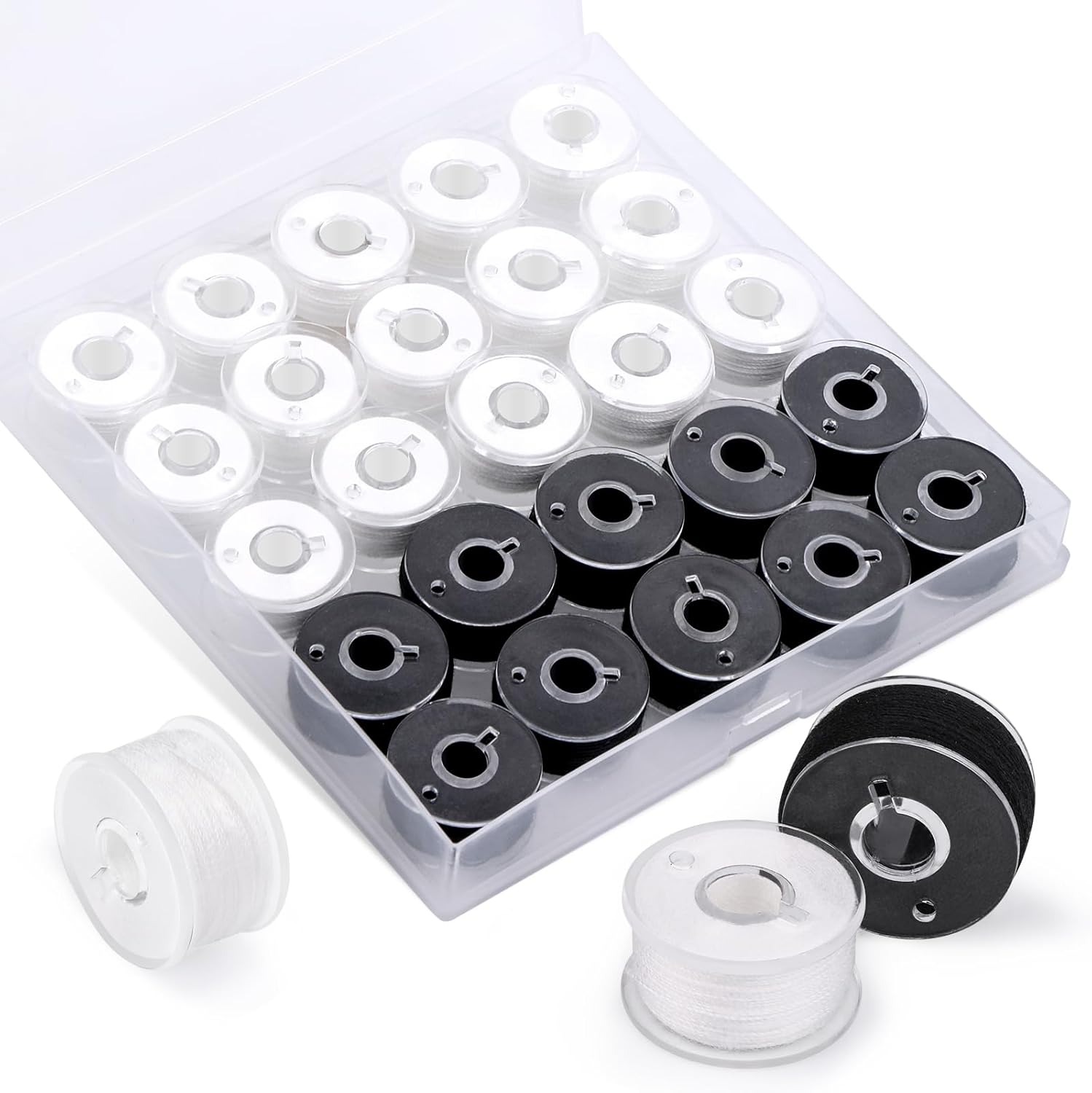 |
UzecPk Sewing Thread Kit, 25 Pcs Bobbins for Sewing Machine | Durable Polyester Thread. High-Quality Spools, made of sturdy plastic that won’t deform or absorb machine oil. Fits most sewing machines, eliminating the need to worry about matching sizes. Includes a wide range of shades from light to dark. |
Check Price |
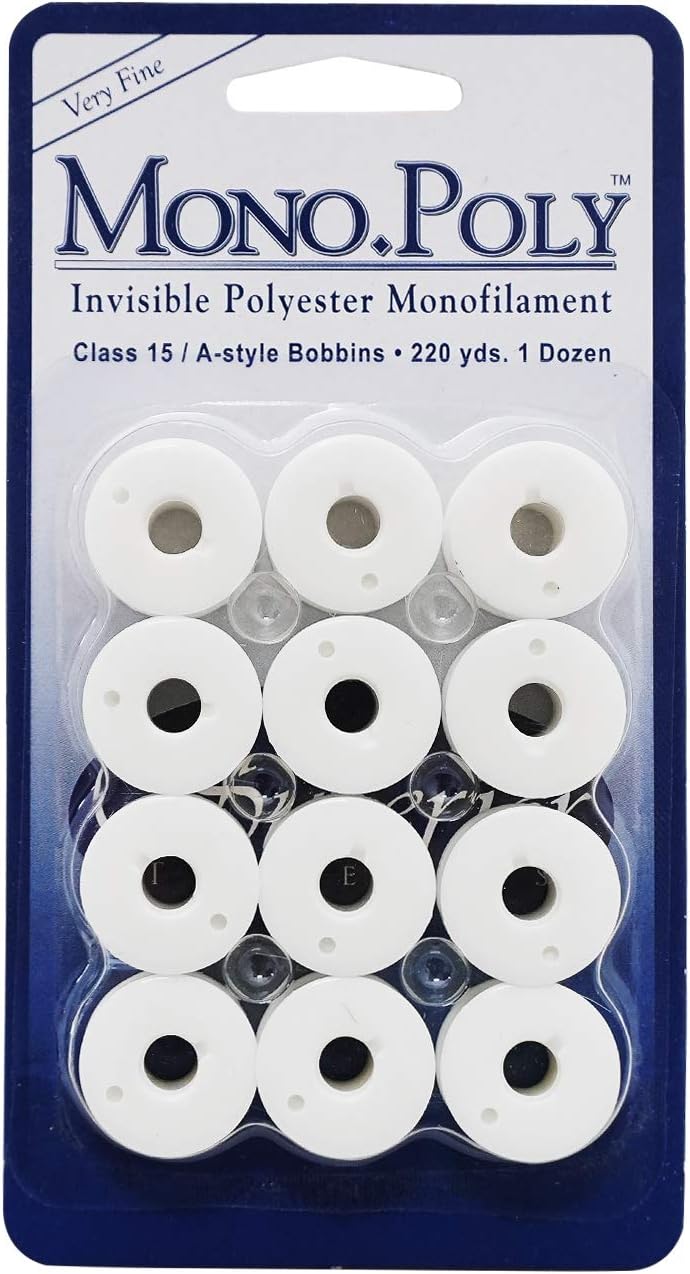 |
Monopoly Clear Prewound Bobbins | Includes 12 bobbins, each with 220 yards of ready-to-use thread. 0.004″ (0.1mm) diameter polyester thread provides smooth, delicate stitching.. Heat-resistant, safe for ironing and drying at medium heat. Works with home and longarm machines when paired with the right needle size. |
Check Price |
 |
Richword Selected 25 Colors Size A Prewound Bobbins | Compatible with most home sewing and embroidery machines. 25 prewound bobbins save time by eliminating manual winding. Strong, break-resistant thread ensures reliable performance. |
Check Price |
 |
Coats &Clark All Purpose Dual Duty XP Threads | 9 spools in versatile shades. Includes 2 extra large spools (400 yards each) in black and white for everyday sewing needs. Durable, smooth, and resistant to fraying, ideal for both hand and machine sewing. Works perfectly on cotton, leather, upholstery, quilting, and general garment sewing. |
Check Price |
Why Bobbin Thread Matters in Machine Embroidery
Before we dive into the best bobbin threads out there, let’s first understand why it even matters. Ever wondered why your embroidery looks a bit “off” even after perfecting the design and selecting the right top thread? Yep, your bobbin thread might be the culprit!
The bobbin thread is the unsung hero of embroidery. It’s the one working behind the scenes, holding everything together. When you’re stitching, the top thread creates the design, but the bobbin thread ensures it stays secure on the fabric.
If the bobbin thread isn’t right, you could end up with a mess of loose threads, uneven stitching, or worse thread breaks and skipped stitches. Not fun!
So, choosing the right bobbin thread isn’t just about saving time; it’s about improving the quality and durability of your embroidery. Trust me, it’s worth getting it right.
Types of Bobbin Thread for Machine Embroidery
Let’s get down to brass tacks and talk about the types of bobbin threads you’ll encounter. Each one serves a different purpose, so knowing which to choose can feel like navigating a thread jungle. But don’t worry, I’ve got you covered.
1. Cotton Bobbin Thread
Cotton is the traditional choice for machine embroidery, and for good reason. It’s soft, strong, and comes in various thicknesses. If you’re working on vintage designs or want a more natural, matte finish, cotton bobbin thread is your go-to.
Pros:
- Soft and natural-looking
- Good for vintage designs
- Excellent for quilted embroidery
Cons:
- Can break easily if not handled properly
- Doesn’t have as much elasticity as polyester
2. Polyester Bobbin Thread
Polyester is the modern workhorse of the embroidery world. It’s durable, stretchy, and holds up to the wear and tear of daily use. Polyester bobbin thread is great for designs that will be washed or worn frequently. It’s also a popular choice for machine embroidery on stretchy fabrics.
Pros:
- Strong and durable
- Works well with high-speed machines
- Resists fading and shrinking
Cons:
- Might not give that soft, matte look like cotton
- Can be a bit more slippery to work with
3. Nylon Bobbin Thread
Nylon is an excellent choice if you’re working on heavy-duty embroidery. It’s smooth, and it glides through your machine with ease. If you’re looking for a thread that’s virtually invisible but still strong enough for complex designs, nylon is a solid choice.
Pros:
- Almost invisible on the back of the fabric
- Ideal for delicate fabrics
- Strong and resilient
Cons:
- Can be harder to find than polyester or cotton
- Some users find it a bit tricky to handle due to its slick nature
4. Rayon Bobbin Thread
Rayon thread is best known for its high sheen and smooth texture. While it’s more commonly used as a top thread, it can work as a bobbin thread as well, especially if you’re looking for a glossy finish to match the top thread. However, rayon is not as durable as polyester.
Pros:
- Shiny, beautiful finish
- Ideal for decorative work
- Lightweight and smooth
Cons:
- Less durable than polyester
- Not suitable for heavy-duty fabrics
Choosing the Right Bobbin Thread for Your Project
Now that you know the types of bobbin threads out there, let’s talk about how to choose the right one for your project. This is where things get a bit more nuanced because different projects need different kinds of threads.
Consider the Fabric Type
The type of fabric you’re working with plays a huge role in your bobbin thread choice. For instance:
- For thicker fabrics like denim or canvas, you might want to use a stronger polyester thread to prevent breakage.
- For delicate fabrics like silk or satin, go for a nylon or cotton bobbin thread, which will be gentler on the fabric.
Match the Top and Bobbin Thread
When it comes to embroidery, symmetry is key! It’s not just about what’s on the top; the bobbin thread should complement the top thread to give a balanced result. For example:
- If you’re using polyester on top, it’s best to match it with polyester in the bobbin for the best durability.
- For a more soft or vintage look, use cotton on both top and bottom.
Consider Thread Weight
Bobbin thread weight is typically lighter than top thread to prevent too much tension on the fabric. So, make sure you’re choosing a lighter weight thread for the bobbin, generally around 60 wt (weight of the thread). This ensures that the bobbin thread won’t show through on the finished piece.
Think About Thread Tension
Don’t overlook the tension settings on your machine. If the tension is too tight, you might get visible bobbin stitches on the top of your fabric. If it’s too loose, your top thread might not look as clean and crisp. Test your settings on scrap fabric before starting your actual project to avoid frustration later.
How to Use Bobbin Thread Effectively
Let’s face it: embroidery can be a little fiddly. Sometimes, your machine will decide to act up and throw a tantrum, and we all know how that goes! So here are some quick tips for using bobbin thread effectively:
1. Always Use Quality Bobbin Thread
It’s tempting to save a few bucks by buying cheap bobbin thread, but it’s really not worth the headache. Low-quality thread can cause all kinds of problems like thread breaks, uneven stitches, and even machine malfunctions. Stick to reputable brands for the best results.
2. Check Your Bobbin Case Regularly
Just like any other part of your machine, your bobbin case needs a little TLC. Check for any dust, lint, or old thread buildup that could mess with your stitching. It’s an easy fix, but so often overlooked!
3. Wind Your Bobbin Properly
Ah, the art of winding a bobbin! If you wind it too loosely or unevenly, you’ll run into tension problems that could mess up your entire project. Be sure to wind your bobbin tightly and evenly just the right amount of tension to ensure a smooth run.
4. Avoid Overfilling the Bobbin
I get it; you’re in the zone and ready to go, but overfilling the bobbin can cause problems like thread breakage and irregular stitching. Keep it to about 80% full to ensure smooth sailing.
What to Do When Things Go Wrong
Let’s be real for a second embroidery isn’t always perfect. You’ve got the bobbin thread under control, but sometimes, things just don’t go as planned. Here are some things you might face and how to fix them.
1. Thread Breakage
If your bobbin thread keeps breaking, check the tension settings, make sure you’re using the right type of thread for your fabric, and double-check that your bobbin is wound correctly.
2. Visible Bobbin Stitches
If you notice the bobbin thread peeking through on the top of your fabric, it’s likely a tension issue. Adjust the tension on your machine and re-test until it’s just right.
3. Loose Stitches
Loose stitches usually happen when the bobbin thread isn’t wound tightly enough or the bobbin case is dirty. Clean it, check the thread, and make sure it’s all snug and in place.
Conclusion: The Best Bobbin Thread for Machine Embroidery
Choosing the best bobbin thread for your machine embroidery projects doesn’t have to be stressful. The key is understanding the different types of thread, considering the fabric you’re working with, and matching the top and bobbin thread accordingly.
Polyester works great for durability, while cotton is perfect for a natural look. Nylon is your best bet for delicate fabrics, and rayon is a beautiful choice for a shiny finish.
At the end of the day, it’s all about trial and error. Test out different threads, adjust your settings, and make sure your bobbin is properly wound. And don’t forget, a little bit of patience goes a long way because embroidery, much like life, is all about those little details.