
So, you’ve fallen in love with gouache, huh? Welcome to the club! It’s vibrant, versatile, and, let’s be honest, ridiculously fun to paint with. But if you’re here, you’re probably wondering: what’s the best paper for gouache painting? Don’t worry, I’ve got you covered.
Choosing the right paper can make or break your gouache experience. Trust me, I’ve been there frustrated with bleeding, buckling, or that weird texture that just doesn’t work. But before we dive into all the options, let’s chat about the basics of gouache and what you need in a paper to really make it sing.
| Product Image | Product Name | Features | Price |
|---|---|---|---|
 |
Hapikalor Watercolor Paper Pad | Heavyweight, cold-pressed sheets designed for watercolor and mixed media techniques. 9″x12″ pad with 20 sheets, offering ample space for creative projects. Neutral pH paper prevents yellowing and ensures artwork remains vibrant over time. |
Check Price |
 |
Canson Artist Series Mixed Media Paper | Crafted with heavyweight paper designed for professional and hobby artists. Features two distinct textures: fine and medium, offering flexibility for different techniques. |
Check Price |
 |
ARTISTIC EYE Watercolor Pad 9×12” | 140 lb / 300 gsm acid-free sheets ensure excellent color absorption and texture for artistic effects. Consistent quality makes it suitable for beginners, students, and professional artists alike. Smooth edges allow easy sheet removal without damaging artwork. |
Check Price |
 |
Strathmore Acrylic Paper Pad 9″X12″ | Linen finish allows brushstrokes and layering to come alive with depth and detail. Heavyweight Linen Finish Paper. Professional-Grade Quality. |
Check Price |
 |
Winsor & Newton Classic Watercolor Paper Pad | Resilient paper that resists warping or cockling, even with heavy water saturation. Slightly textured surface enhances brightness, holds more color, and reflects less light for vivid results. Made from 100% cellulose wood pulp combined with pure spring water for natural quality. |
Check Price |
 |
Arches Aquarelle Watercolor Pad | Long natural cotton fibers provide timeless beauty and durability for professional artwork. pH-neutral sheets with a natural grain, free from optical brightening agents, preserve authentic color tones. Edge-glued pad design allows each sheet to be removed cleanly without damage. |
Check Price |
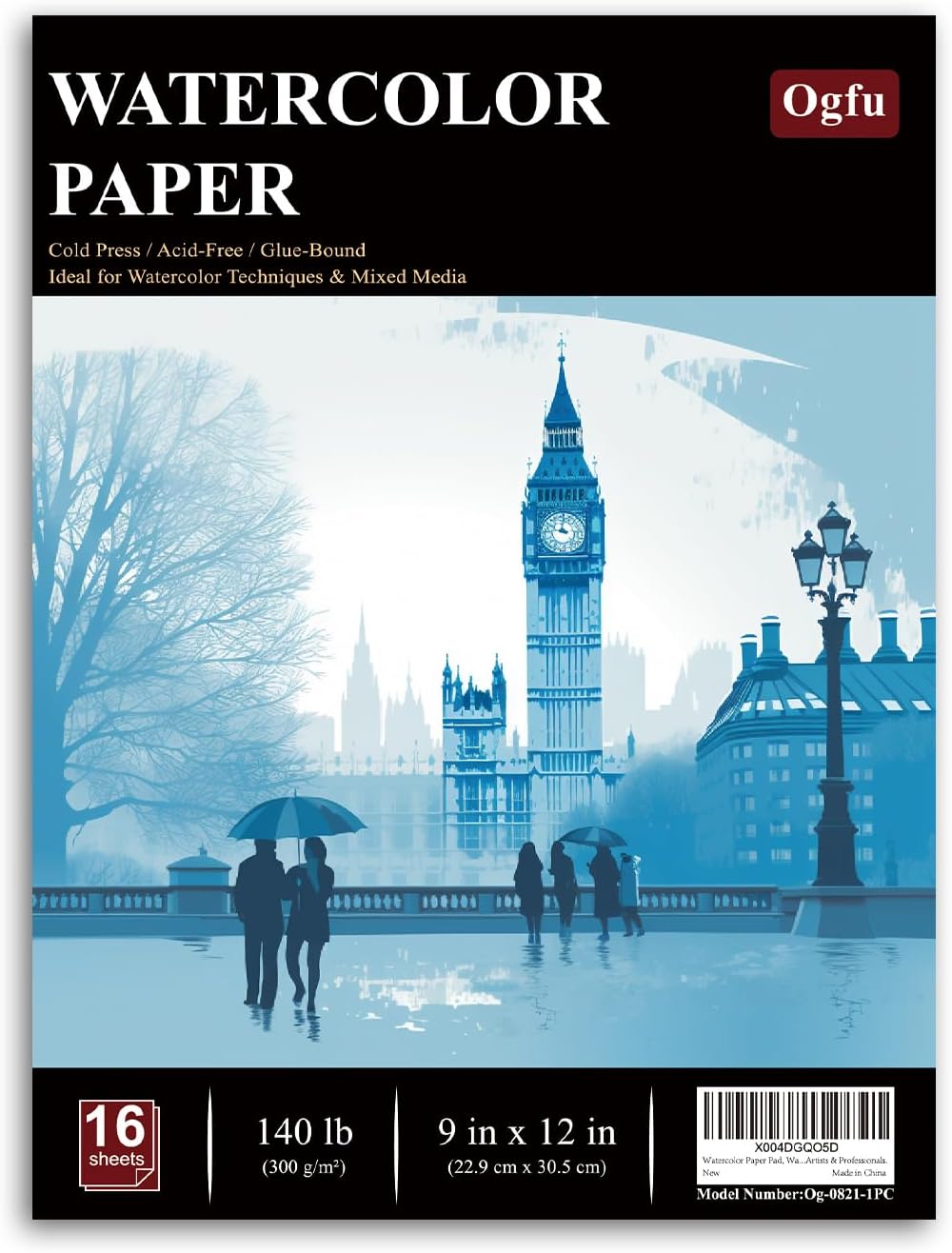 |
Watercolor Paper Pad | 140 lb / 300 gsm paper crafted to handle multiple layers of paint without warping or distortion. Acid-free composition ensures vibrant colors and deep tones remain fresh over time. Glue binding allows sheets to be removed cleanly for framing, sharing, or display. |
Check Price |
 |
Fingraspuro Watercolor Paper Pad 9×12 Inch | Crafted from pure cotton for superior absorbency, vibrant color retention, and professional-grade performance. Acid-free and pH neutral composition prevents yellowing or brittleness, preserving artwork for years. Smooth edges allow easy sheet removal without tearing, perfect for framing or sharing. |
Check Price |
What Is Gouache and Why Does Paper Matter?
If you’ve used watercolors before, think of gouache as its bold, opaque cousin. Unlike watercolor, which lets the light through to create transparency, gouache is full of pigment that covers up your surface like a boss.
The key here is how it interacts with your paper, especially because gouache can be a bit more demanding than your average watercolor.
Gouache behaves differently depending on the texture and weight of the paper, which is why choosing the right one is crucial. Paper that’s too thin? Prepare for wrinkling and buckling.
Paper that’s too rough? Well, your gouache might get lost in the crevices, ruining that smooth finish you’re aiming for. It’s a delicate balance, and trust me, it’s worth figuring out.
Types of Paper for Gouache: What You Need to Know
1. Watercolor Paper (Cold Pressed)
If you’re looking for a texture that’s got that perfect mix of smooth and absorbent, cold-pressed watercolor paper is your friend. It’s often the go-to choice for gouache painting, and for good reason.
Cold-pressed paper (also called NOT paper, because it’s not hot-pressed, get it?) has a subtle texture, which gives your artwork a bit of character without disrupting the smoothness that gouache loves.
Why It Works for Gouache:
- The texture provides just enough tooth for gouache to grip without overwhelming the smoothness.
- Cold-pressed paper can hold up to multiple layers of gouache, so if you’re into building up texture or doing several layers, this is your jam.
Pro Tip: When you’re painting with gouache on cold-pressed paper, use a light hand with water. Too much water can cause your pigment to spread out and lose its opacity.
2. Watercolor Paper (Hot Pressed)
Now, if you want something super smooth, hot-pressed watercolor paper is where it’s at. Think of this as the fancy silk dress of paper types. Hot-pressed paper has a sleek surface that allows the gouache to sit on top beautifully, giving you those vibrant, glossy finishes.
Why It Works for Gouache:
- Hot-pressed paper is smooth and sleek, making it perfect for detailed, controlled work.
- It doesn’t have much texture, so it allows your gouache to stay put without getting lost in the fibers.
Warning: If you love layering and texture, hot-pressed paper might not be your best bet. Since it’s smoother, it doesn’t hold as much water, and your layers might not bond as easily.
3. Mixed Media Paper
If you’re new to gouache or just want to experiment, mixed media paper can be a solid middle-ground. It’s thicker than regular sketchbook paper but not as heavy-duty as watercolor paper, making it a good option for lighter gouache paintings.
Why It Works for Gouache:
- It can handle moderate amounts of water and pigment without buckling.
- It’s affordable compared to premium watercolor papers, so if you’re just starting out, this is a great way to practice without committing to an expensive paper.
Drawback: The texture is often less consistent, so it may not give you the polished finish you’re looking for with gouache.
4. Watercolor Blocks vs. Sheets
Alright, here’s the thing when you go for watercolor paper, you’ve got two main options: blocks and sheets. A watercolor block is essentially a pad of glued-together paper that prevents buckling. It’s super convenient because you don’t have to stretch the paper yourself. You just paint and go.
Why It Works for Gouache:
- The glued edges keep the paper flat, no buckling or warping, even when you get heavy-handed with the water.
- If you’re working on a large-scale gouache piece, blocks are super easy to manage.
Sheets offer the flexibility to cut your paper to your preferred size, but you’ll need to stretch it yourself to avoid warping.
How to Choose the Right Weight for Your Paper
Let’s talk about weight. When it comes to gouache, paper weight is important because it determines how much water and pigment your paper can handle. Paper weight is usually measured in grams per square meter (gsm), and the heavier the paper, the better it holds up to multiple layers of gouache.
For Gouache:
- 200gsm-300gsm: Perfect for lighter washes or if you want to go easy on the layers. If you’re planning on using a lot of water, go for something heavier.
- 400gsm+: Ideal for heavy applications, multiple washes, or thick layers of gouache. It’s sturdy enough to resist buckling, even with a lot of water.
The Best Paper for Beginners: What to Start With
So, you’re just starting out with gouache. Don’t worry, I’ve been there. The goal is to find a paper that won’t make you pull your hair out with constant wrinkling or bleeding colors. My go-to recommendation for beginners? Cold-pressed watercolor paper. It’s affordable, forgiving, and versatile enough to help you figure out your gouache style.
Why Cold Pressed Wins:
- It’s forgiving with both water and pigment.
- You get a lovely finish without needing advanced techniques to avoid buckling.
Tips for Using Gouache on Paper
Now that you’ve got your paper, let’s talk about some tricks to get the most out of it.
1. Don’t Overload with Water: Gouache loves water, but it’s not watercolor. You don’t need to turn your palette into a puddle. Keep your paint on the thicker side for the best results.
2. Let Layers Dry Completely: If you’re layering, make sure each layer is fully dry before adding the next one. Otherwise, your colors might mix in ways you don’t want them to.
3. Avoid Cheap Paper: Trust me, I’ve learned this one the hard way. Cheap paper will wrinkle, absorb too much pigment, and basically ruin your painting experience. If you want your gouache to shine, splurge on decent paper.
4. Test First: If you’re unsure how your paper will react to gouache, do a little test. Just a small swatch to see how it holds the pigment and water. You’ll be glad you did.
Conclusion: Wrapping It Up
Choosing the best paper for gouache painting really boils down to the kind of finish you want and how much texture you’re comfortable with. Cold-pressed watercolor paper is usually a safe bet, but if you’re aiming for ultra-smooth finishes, hot-pressed paper might be your best friend. The key is to experiment and find what works best for your unique style, so don’t be afraid to try different options!
So, what paper are you going to pick up next? Drop your thoughts below, and let’s keep this gouache conversation going.