Outdoor wood rarely fails in one dramatic moment. More often, water gets into a split end grain, a fastener hole widens, paint breaks around a joint, or a weathered board develops a crack that keeps opening and closing with the seasons. A filler can make that damage look smaller, but the more important question is whether the repair material is actually suited to the exposure, movement, and finishing system around it.
That distinction matters with the eight products carried over from the existing article. Independent verification shows that they do not all serve the same job. J-B Weld KwikWood, DAP Plastic Wood All Purpose Wood Filler, and FAMOWOOD Latex Wood Filler are explicitly described by their manufacturers for interior/exterior use. Other items in the list are better understood as finish putties, grain fillers, floor-patching compounds, general wood putties, or even indoor-only fillers.
I would rather make those differences clear than turn every product into the same glowing recommendation. The useful way to choose the best wood filler for outdoor use is to match the formula to the depth of the damage, the amount of moisture exposure, whether the repair must be sanded or machined, and how the wood will be sealed afterward. For exposed exterior work, the filler is only one part of the repair; preparation and the protective finish matter just as much.
Start With the Repair, Not the Product Name
A tiny nail hole in a painted porch column and a missing chunk from a rotted window sill are both holes in wood, but they do not ask the filler to do the same thing. The nail hole mainly needs a clean cosmetic patch that stays put under paint. The missing chunk may need a hard-setting material that can be shaped, drilled, and kept out of standing water after the repair is complete.
There is also a third type of job that often gets mixed into wood-filler searches: smoothing open grain before a finish. Aqua Coat Clear Wood Grain Filler is designed for that purpose. It fills pores in woods such as oak, ash, walnut, and mahogany to help create a smoother topcoated surface. That is very different from rebuilding a broken corner or packing a deep exterior crack.
The same caution applies to Minwax Wood Putty. Minwax describes it as a non-hardening, pre-mixed putty for minor scratches, gouges, and nail holes, applied after staining and topcoating. A product that deliberately stays non-hardening should not be evaluated as if it were a rigid exterior rebuilding compound. Understanding the intended job prevents a lot of disappointing repairs.
Understanding Fillers for Exterior Wood Repairs
Hard-setting repair compounds
Hard-setting products are useful where the repair must become a solid part of the surface. Epoxy putties are the clearest example in this list. J-B Weld says KwikWood is hand-mixable, suitable for exterior or interior use, and machinable after cure. A cured epoxy patch does not behave like flexible wood fibers, so it still needs sound surrounding wood and sensible weather protection, but it is a strong fit for rebuilding missing material.
Latex wood fillers such as the DAP and FAMOWOOD products also harden enough to sand and finish. They are easier to spread than kneaded epoxy and clean up with water while wet. Their advantage is convenience on cracks, gouges, holes, vertical defects, and paint-grade repairs where you want a material that can be feathered into the surrounding wood.
Non-hardening putties
Non-hardening putty is intended to stay workable rather than become a sandable block. That can be useful for tiny finish defects because the material can be pressed into a hole and wiped clean without a sanding stage. It is not the same tool for deep deterioration, damaged edges, loose fastener areas, or locations that need structural support.
With Minwax Wood Putty, the manufacturer specifically says to stain and topcoat first, then press the putty into minor imperfections and wipe away the excess. That order of operations is the opposite of a conventional filler that is sanded before finishing.
Grain fillers and surface-preparation gels
Open-pore woods can telegraph their texture through clear finishes and high-gloss coatings. A grain filler is made to reduce those pores, not to repair decayed wood. Aqua Coat’s clear gel is water-based, can be used on raw wood or after staining, and is meant to help produce a glass-smooth topcoated surface.
For outdoor work, this distinction is important because a smooth surface is not automatically a weatherproof surface. If a grain-filling step is used on an exterior piece, the long-term weather resistance depends heavily on the coating system that follows and on whether the manufacturer supports that exposure. Aqua Coat’s current ideal-use list is centered on furniture, cabinetry, instruments, tops, and restoration rather than exposed exterior repair.
Floor patching compounds
Henry 345 Premixed Patch and Level, model 12064, belongs to floor preparation rather than conventional wood restoration. It is sold as a ready-to-use patch for concrete, wood, and masonry before new floor coverings and is listed for interior/exterior use. That makes it useful in a narrow setting: flattening or patching appropriate wood subfloor areas as part of a flooring system.
It should not be confused with a stainable wood repair filler for furniture, trim, fences, or decorative exterior boards. If the goal is to make a repair look and work like wood after sanding and staining, a floor patch is solving a different problem.
| Product Image | Product Name | Features | Price |
|---|---|---|---|
 |
J-B Weld Tan KwikWood Wood Repair Epoxy Putty | Hand-mixable two-part epoxy putty formulated for household wood repairs. Sets in 15–25 minutes, fully cures in 1 hour; dries to a light tan finish. Lap shear strength of 900 PSI; won’t shrink or rot. Ideal for fixing window/door hinges, dry rot, furniture gouges, knot holes, and gaps. |
Check Price |
 |
Minwax Wood Putty, Colonial Maple , 3.75 oz. | Pre-mixed and ready to use ideal for quick touch-ups. Blends seamlessly with Minwax Colonial Maple and Gunstock stains. Fills nail holes, scratches, gouges, and minor imperfections in bare, painted, stained, or finished wood. Easily applied with a putty knife for fast, mess-free fixes. |
Check Price |
 |
Aqua Coat Water-Based Clear Wood Grain Filler Gel | Small particle gel seals pores to reduce topcoat absorption. Recommended for use under clear finishes; use Aqua Coat White for painted surfaces. Water-based, low VOC, low odor, non-flammable, and made in the USA. Creates a glass-smooth surface before staining or topcoating. |
Check Price |
 |
Wood Filler, White Oak Wood Putty, | Includes 280g wood putty, 2 scrapers, and 2 sandpapers for all-in-one convenience. Repairs nail holes, dents, cracks, and gouges with smooth texture and easy sanding. Ideal for cabinets, tables, wood floors, doors, and other wood furniture or crafts. Designed for professionals and easy enough for DIY enthusiasts to use confidently. |
Check Price |
 |
DAP Plastic Wood All Purpose Latex Wood Filler | Looks and acts like wood ideal for corners and vertical surfaces. Repairs cracks, gouges, holes, and defects on furniture, molding, cabinets, doors, and more. Thick, knife-grade consistency fills any shape or imperfection Dries in 3–6 hours for shallow repairs; up to 36 hours for deeper fills. |
Check Price |
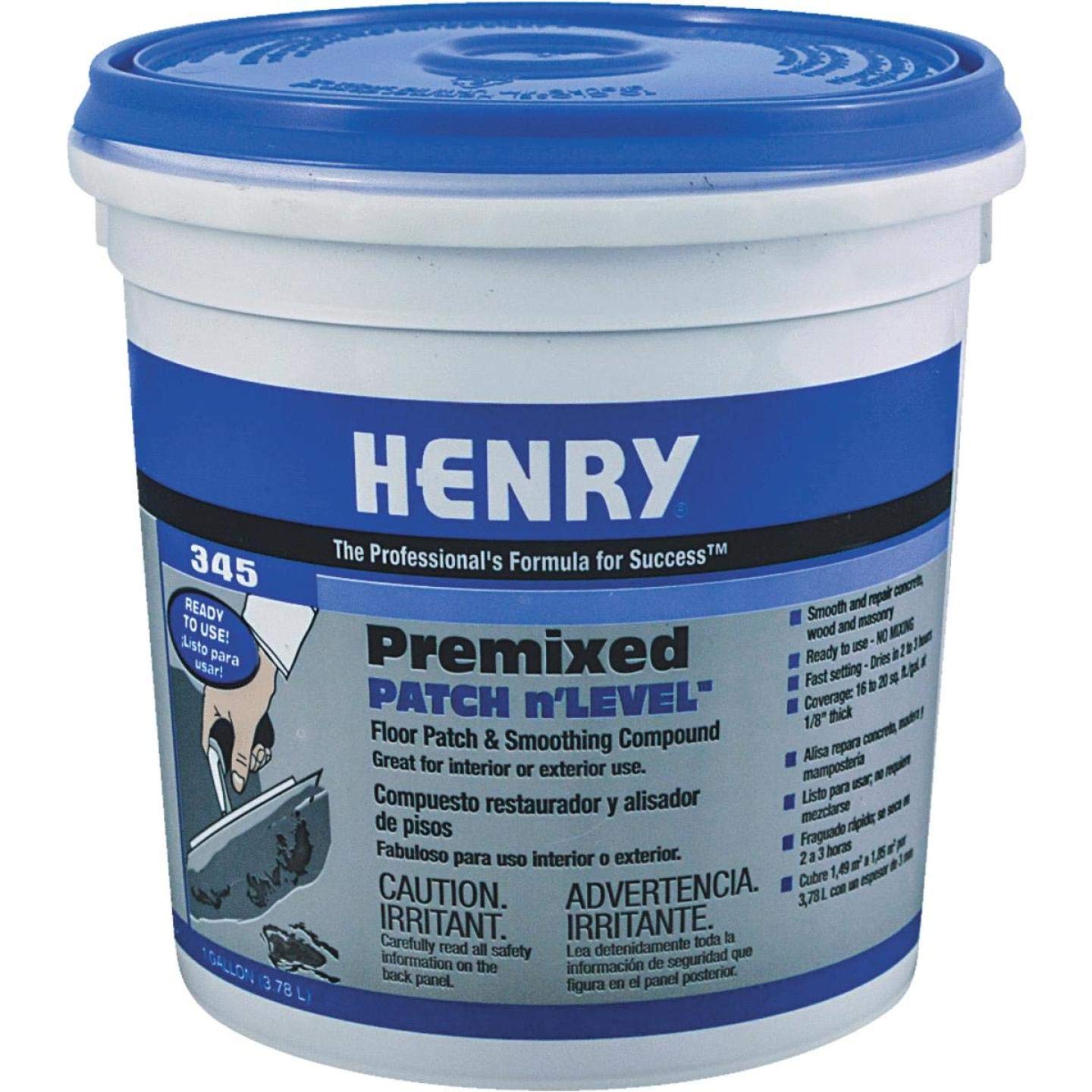 |
3 Set- Henry, W.W. Co. 12064 12064 Gallon Pre-Mixed Floor Patch | Pre-mixed formula designed for patching and leveling concrete, wood, and masonry subfloors. Ideal prep layer before installing floor coverings like tile, vinyl, or laminate. High-performance blend offers long-lasting results with simple application. |
Check Price |
 |
FamoWood 40042126 Latex Wood Filler – 1/4 Pint, Natural | Sets in just 15 minutes for quick project turnaround. Maintains shape and integrity no crumbling over time. Can be sanded, drilled, planed, stained, and painted like real wood. Suitable for both interior and exterior wood surfaces. Solvent-free formula cleans up easily with water. |
Check Price |
 |
Woodwise 14-lb Powered Wood Filler Maple/ash/pine | Accepts stains beautifully for seamless blending. Adheres tightly and sands easily for a smooth finish Mix with water to your preferred texture ideal for patching or full-trowel use. 30–35% cheaper than pre-mixed fillers with the same premium performance. |
Check Price |
What to Check Before You Buy
Confirm the manufacturer actually allows exterior use
Product titles and retailer keywords can be broader than manufacturer instructions. Before using any filler on a gate, deck component, window trim, exterior door, planter, shed, or outdoor furniture, check whether the maker explicitly lists exterior use. The fixed list in this article includes both exterior-rated and indoor-only products, so the label matters more than the article title.
FAMOWOOD Latex and DAP Plastic Wood All Purpose are both stated for interior/exterior work. J-B Weld KwikWood is also specifically described for exterior or interior applications. WOODWISE Powdered Wood Filler, by contrast, is explicitly marked by its manufacturer for indoor use only.
Decide whether the repair needs rigidity or only appearance
A filler in a screw hole, hinge recess, broken corner, or deep missing section may be asked to carry more load than a surface scratch. For those repairs, a hard-setting product that can be drilled or machined is usually easier to reason about. KwikWood, DAP Plastic Wood, and FAMOWOOD all provide hard-surface finishing options after cure, although they do not have identical chemistry or working characteristics.
A tiny blemish in finished wood may not need that level of hardness. Minwax Wood Putty is intentionally non-hardening and color-matched for small defects. That can be appropriate where appearance matters more than rebuilding missing structure.
Think about depth before you start
Deep repairs are where hurried applications often fail. Many fillers perform better in layers than as one thick mass, and manufacturers frequently specify staged filling for deeper defects. FAMOWOOD’s instructions call for allowing the first layer to dry before additional layers on deep repairs, while DAP also advises layering deeper fills.
An epoxy putty works differently because you mix a defined amount and press it into the defect during a limited working window. With KwikWood, J-B Weld lists a 15-25 minute work life and a one-hour cure time. That means the surface must be ready before mixing starts.
Match the finish to the repair
Paint hides color differences better than stain. A paint-grade patch can be slightly different in tone as long as it sands smooth, stays stable, and accepts primer and paint. Stain is less forgiving because filler and surrounding wood absorb color differently. Even products marketed as stainable can finish lighter or darker than the adjacent grain.
For that reason, I would test stain on a scrap board or a hidden patch before treating a visible exterior surface. A stainable label means the product can accept stain; it does not guarantee an invisible color match.
Do not ignore the wood around the hole
Filler works best when the remaining wood is sound. If a screwdriver can easily push into the surrounding fibers, if the wood stays damp, or if decay continues beyond the visible cavity, packing filler into the surface does not solve the cause. Remove unsound material, correct the moisture source, and make sure the substrate is dry enough for the chosen repair system.
This is especially important outside, where end grain, horizontal ledges, unsealed fastener holes, and failed joints can keep feeding water into the same place. A beautiful patch over wet or rotten wood is still a temporary patch.
J-B Weld KwikWood – A Hard Epoxy Repair for Rebuilding Missing Wood
KwikWood is the most clearly repair-oriented epoxy product in this group. J-B Weld describes it as a hand-mixable epoxy putty made to repair and rebuild wood, with both exterior and interior use listed. Once the two-part stick is kneaded to a uniform color, it can be pressed into a defect and shaped before it cures.
The manufacturer lists a 15-25 minute work life and a one-hour cure time. After cure, the material can be machined, drilled, tapped, sanded, filed, and painted. That combination is useful when a repair needs to become a firm, shapeable section rather than a soft cosmetic fill.
KwikWood also carries water-resistant and oil-resistant attributes on the current J-B Weld product page. That does not mean an exterior repair can be left indefinitely in standing water or ignored after finishing. The best use is on sound, dry wood where the repaired area will still receive sensible exterior protection.
One advantage of a kneadable epoxy stick is control. You can cut off only what you need, mix it by hand, and push the putty into an irregular cavity without dealing with a runny liquid resin. The trade-off is the clock: once mixed, you have a limited window to form the repair, so preparation has to happen first.
Key Features, Translated Into Practical Benefits
Exterior/interior rating: J-B Weld explicitly lists both uses, which makes KwikWood one of the strongest matches in this fixed list for genuinely exposed repairs.
Machinable after cure: Being able to sand, drill, tap, file, and paint the cured patch makes it useful for damaged corners, fastener areas, hinge repairs, knot holes, and shaped rebuilds.
Limited working time: The 15-25 minute work life helps the material set promptly, but it also means you should dry-fit, clean, and prepare everything before kneading the epoxy.
Hard cured body: The epoxy cures to a wood-like density, so it can support crisp reshaping better than a non-hardening putty.
Tan dry color: The light tan base is practical under paint and may be less visually stark on unfinished wood than white filler, but stain matching should still be tested.
- Strong exterior positioning: the manufacturer specifically approves it for exterior as well as interior applications.
- Useful for rebuilding shape: the kneadable putty can be pressed into missing corners, gouges, knot holes, and irregular cavities before it hardens.
- Machinable once cured: sanding, drilling, tapping, filing, and painting make it practical for repairs that need follow-up shaping or hardware work.
- Controlled application: the solid putty format is easier to place on vertical or awkward repairs than a thin liquid resin.
- Resists several common failure modes: J-B Weld states that it will not rot, shrink, crack, or pull away when used as directed.
- Shorter working window: once the putty is mixed, the repair has to be formed within the listed 15-25 minute work period.
- Color matching is not automatic: the cured tan patch can remain visible under clear or lightly stained finishes.
Who It’s Best For
This is the strongest fit here for small to medium exterior repairs that need a firm, shapeable patch, especially when the cured material may need sanding, drilling, or painting.
Not Ideal For
It is less convenient for broad, shallow skim filling or large areas where a spreadable filler is faster. It is also a poor choice over damp, actively rotting wood that has not been stabilized and dried.
Minwax Wood Putty Colonial Maple – A Finish Touch-Up Putty, Not a Structural Outdoor Filler
Minwax Wood Putty is easy to misunderstand in an article about exterior fillers because the word putty sounds interchangeable with filler. Minwax’s own instructions make the difference clear: this product is non-hardening, pre-mixed, and intended for minor scratches, gouges, and nail holes. It is color-matched to Minwax Wood Finish stains, with Colonial Maple among the available colors.
The application sequence is also distinctive. Minwax tells users to stain and topcoat first, make sure the surface is clean and dry, then press the putty into the small imperfection and wipe away the excess with a damp cloth. The company specifically notes that it will not harden to a sandable surface.
That makes it more useful for finish touch-ups than for weather-beaten cracks, missing corners, deep holes, or repairs that must be sanded flush before painting. The current manufacturer page does not position this putty as an exterior rebuilding material. I would not use retailer search placement as evidence that it belongs in a highly exposed repair.
On protected or finished wood where the goal is simply to disguise a tiny hole, the non-hardening behavior can actually be convenient. You avoid sanding and can choose a color intended to coordinate with a specific stain family. But for a repair that must resist seasonal movement, hold a screw, rebuild an edge, or survive direct rain, this is the wrong type of product.
Key Features, Translated Into Practical Benefits
Non-hardening formula: This keeps the putty workable for finish touch-ups but rules it out for jobs that need a rigid, sandable rebuild.
Pre-mixed consistency: There is no resin-to-hardener ratio or water mixing step, which makes small cosmetic repairs quick.
Colonial Maple color: The shade is designed to coordinate with Minwax stain families, helping small filled defects look less obvious on similarly toned finished wood.
Applied after topcoating: That instruction places this product firmly in the finishing stage rather than the structural repair stage.
Minor-defect focus: The manufacturer highlights scratches, gouges, and nail holes instead of deep voids or damaged structural wood.
- Simple for tiny finish defects: the pre-mixed putty can be pressed into a nail hole or small gouge without mixing.
- No sanding step is required: excess is wiped away rather than sanded because the product is intentionally non-hardening.
- Color coordination is built in: Colonial Maple is part of Minwax’s stain-matching system for finished wood touch-ups.
- Useful late in the finishing process: it can correct small visible defects after stain and topcoat rather than forcing you to refinish the entire surface.
- Low-complexity application: small repairs need little more than a clean, dry surface and careful wiping.
- Not a hard exterior rebuild: the non-hardening formula is unsuitable for structural voids, edge reconstruction, or repairs that must be machined.
- No manufacturer exterior positioning on the current product page: I would not treat it as a first-choice material for direct rain and sun exposure.
Who It’s Best For
This product makes the most sense for small cosmetic touch-ups on already finished wood, especially where Colonial Maple is close to the existing stain tone and the repair is sheltered from severe exposure.
Not Ideal For
Avoid it for deep cracks, decayed exterior trim, broken edges, screw anchoring, or any repair where the filler must harden and be sanded or drilled.
Aqua Coat Clear Wood Grain Filler – For Smoothing Open Pores Before a Finish
Aqua Coat Clear Wood Grain Filler is not a conventional crack filler. It is a water-based gel developed to fill the pores in open-grain woods such as oak, ash, walnut, mahogany, cherry, and birch so that a clear or colored finish can build more smoothly. Aqua Coat says the small-particle filler reduces topcoat absorption and can help produce a glass-smooth surface in fewer coats.
The current product page lists fast drying, easy sanding, water cleanup, low odor, non-yellowing clarity, and the ability to tint the clear filler with water-soluble colorants. It can be used on raw wood or after staining. Those are finishing advantages, not evidence that the product should be packed into a deep exterior split.
For an outdoor furniture or exterior millwork project, the important point is what comes after the grain filler. Aqua Coat’s ideal-use examples focus on instruments, cabinetry, furniture, antique restoration, tabletops, and similar woodworking. The company does not market this clear grain filler as a stand-alone weatherproof exterior patch.
So why keep it in this article? Because it is part of the fixed product list, and it can still be relevant when the problem is surface texture rather than missing wood. Use it to refine pores before a compatible protective finish, not to rebuild damaged outdoor wood.
Key Features, Translated Into Practical Benefits
Clear water-based gel: The clear body helps preserve the underlying wood appearance while filling pores, which is useful under transparent finishes.
Fast drying: Aqua Coat lists roughly 30-45 minute drying, allowing repeated grain-filling coats without an all-day wait between passes.
Easy sanding and water cleanup: The workflow is friendlier for furniture finishing than solvent-heavy pore-filling systems.
Tintable: Water-soluble dyes or tints can be added when the goal is to emphasize or alter the grain appearance.
Pore-filling purpose: Its strength is surface refinement on open-grained species, not structural crack repair.
- Excellent for pore control: it is specifically designed to reduce open-grain texture before topcoating.
- Clear finish compatibility: the filler can preserve visible grain rather than hiding it under an opaque patch.
- Fast shop workflow: short listed dry times, light sanding, and water cleanup make repeated applications manageable.
- Can be used before or after staining: that gives finishers more flexibility in how the grain effect is developed.
- Low-odor water-based handling: it is easier to use in a workshop than many strong-solvent finishing materials.
- Not a structural filler: it should not be relied on to rebuild missing corners, deep splits, or load-bearing wood defects.
- Exterior weather resistance is not its main claim: outdoor use would still depend on a suitable protective coating system and manufacturer guidance.
Who It’s Best For
Choose it when your project needs a smoother open-grain surface before staining or clear finishing, rather than a hard patch for damaged exterior wood.
Not Ideal For
It is not ideal for deep holes, rot repair, hinge damage, loose fastener areas, fence splits, or any repair that needs a thick weather-resistant rebuild.
BONCART White Oak Wood Putty – A General Spot-Filling Kit With Limited Exterior Evidence
The fourth listing in the original article resolves through its Amazon link to a BONCART White Oak Wood Putty product. Current retailer information identifies a 280 g resin-based putty intended for woodworking, with a White Oak color and a kit that includes small application and sanding accessories. The listing describes the filler as paintable and stainable and gives a full-cure period of about a day.
What is missing matters just as much as what is present. I could not find a current manufacturer technical page establishing a formal exterior-use claim, weather-resistance standard, or detailed exposure guidance for this exact BONCART product. That means it should not be given the same confidence level as J-B Weld, DAP, or FAMOWOOD, whose manufacturers explicitly publish exterior-use instructions.
For indoor furniture, cabinets, doors, and similar woodwork, a ready-to-spread putty kit can be convenient for nail holes, dents, cracks, and gouges. For an outdoor project, I would treat this as a general cosmetic filler unless the current seller or manufacturer documentation specifically confirms the exposure you have in mind.
That is not a criticism of the product’s basic usefulness. It is a research boundary. When weather resistance is the deciding requirement, lack of verified exterior guidance is itself a buying factor.
Key Features, Translated Into Practical Benefits
White Oak color: A wood-toned filler can be less conspicuous than bright white on lighter oak repairs, though stain response still needs testing.
Resin putty format: The listing describes a ready-to-use putty, avoiding a separate mixing stage for small repairs.
Paintable and stainable listing: Those finish options are useful when a patch needs to be visually integrated after it cures.
Accessory kit: Included scrapers and sanding pieces can make a small repair easier for someone who does not already own application tools.
Limited technical documentation: The absence of a clear primary-source exterior specification should keep expectations conservative for exposed use.
- Convenient small-repair package: the filler and basic tools are bundled for quick spot work.
- Wood-toned appearance: the White Oak shade may reduce the contrast of repairs on light wood before final finishing.
- Finish flexibility: current retailer information describes the cured repair as paintable and stainable.
- Suitable for common cosmetic defects: nail holes, dents, small cracks, and gouges fit the kind of work this putty is marketed to handle.
- No two-part mixing step: the ready-to-use format is simpler than epoxy for casual repair work.
- Exterior performance is not well documented: I could not verify a strong primary-source weather-exposure claim for this exact product.
- Color can still differ from real white oak: surrounding grain, age, and stain absorption may make the patch visible.
Who It’s Best For
This is a reasonable fit for small cosmetic wood repairs where convenience and a light wood tone matter, provided the exposure requirements are modest and current product guidance supports the specific use.
Not Ideal For
I would not choose it first for exposed structural repairs, wet locations, decayed exterior joinery, or any job where verified weather resistance is essential.
DAP Plastic Wood All Purpose Latex – A Practical Paintable Choice for Interior and Exterior Repairs
DAP Plastic Wood All Purpose Wood Filler is one of the most versatile conventional fillers in this list. DAP describes it as a latex-based material that creates a surface and body that looks and acts like wood. It is intended for cracks, gouges, holes, and other surface defects on woodwork, molding, plywood, windows, doors, and painted surfaces, with interior/exterior use explicitly stated.
Its thick, knife-grade consistency is important outdoors because many repairs are vertical: a damaged window edge, door jamb, fascia detail, or fence board does not give a thin filler anywhere to sit. DAP says the product can be molded and sculpted, then sanded, cut, planed, drilled, nailed, or screwed after drying.
The formula is also described as shrink-, crack-, and crumble-resistant, with water cleanup and low odor while wet. DAP’s guidance for exterior wood repairs adds an important qualification: the repaired exterior area should be painted or coated for better durability. That is the right way to think about most outdoor fillers—the filler repairs the defect, while the finish protects the repair system from weather.
For paint-grade work, this is an easy product to understand. Press it firmly into clean, dry damage, avoid trying to bury a very deep void in one pass, let it dry, sand it level, and then prime and coat the repaired area as appropriate.
Key Features, Translated Into Practical Benefits
Interior/exterior use: DAP directly supports both, making this one of the more defensible options in the source list for outdoor repairs.
Knife-grade thickness: The dense consistency helps it stay on corners and vertical surfaces instead of slumping away from the defect.
Machinable after drying: Sanding, cutting, planing, drilling, nailing, and screwing increase the range of repair jobs it can handle.
Stainable and paintable: The cured repair can be finished to coordinate with surrounding wood, although stain matching should be tested.
Water cleanup while wet: That reduces cleanup effort compared with solvent-heavy products and is convenient for DIY use.
- Clearly approved for exterior work: DAP lists interior/exterior use in its current technical information.
- Strong all-purpose finishing range: the cured filler can be sanded, cut, planed, drilled, nailed, screwed, stained, and painted.
- Good vertical control: the thick knife-grade consistency is well suited to corners, edges, and unsupported surface defects.
- Simple cleanup: tools and fresh residue can be cleaned with water while the material is still wet.
- Works well under protective coatings: it is a practical fit for exterior paint-grade repairs where the patched area will be primed and coated.
- Exterior repairs still need coating: DAP recommends painting or coating outdoor repairs for better durability rather than leaving the filler exposed.
- Deep cavities require patience: larger defects are better built in layers instead of being packed excessively thick in one pass.
Who It’s Best For
This is one of the better fixed-list choices for everyday exterior cracks, gouges, holes, edges, and paint-grade repairs where you want a spreadable filler rather than a kneaded epoxy.
Not Ideal For
It is not a cure for active rot or water intrusion, and very large missing sections may call for a more substantial rebuild strategy rather than a thick mass of filler.
Henry 345 Premixed Patch and Level 12064 – Useful for Wood Subfloors, Not Decorative Wood Restoration
The original article lists Henry 12064 as if it were another wood filler, but the product is actually Henry 345 Premixed Patch and Level. Retailer and manufacturer-channel information describes it as a ready-to-use floor patch designed for repairing concrete, wood, and masonry before installing floor coverings. It is listed for interior and exterior use and as waterproof after installation.
That makes it relevant to wood in a very specific way. If you are patching an appropriate exterior-grade plywood or wood subfloor as part of a flooring installation, Henry 345 may be exactly the kind of material you need. If you are repairing a cedar gate, oak bench, painted window sill, or stained exterior door, it is not a conventional wood-repair filler.
The product is premixed, so there is no powder-to-water ratio to manage, and listed drying time is roughly two to three hours in appropriate conditions. It is designed to feather and level a substrate, not to imitate wood grain or accept stain like a woodworking filler.
This is a good example of why product function matters more than a search result. A material can be approved over wood and still be the wrong material for a visible wood repair.
Key Features, Translated Into Practical Benefits
Floor-preparation purpose: The compound is intended to patch and level substrates before floor coverings, which is very different from cabinet, furniture, or trim repair.
Use over wood and exterior-grade plywood: That supports certain flooring and subfloor applications where wood is part of the substrate.
Interior/exterior listing: The product can be used in both locations when the application matches its floor-preparation instructions.
Premixed formula: Opening the pail and applying the compound is simpler than blending a powder on site.
Fast setting: A listed two-to-three-hour dry time can keep flooring preparation moving when applied within the product’s limits.
- Excellent for its intended substrate work: it is built to patch and level concrete, wood, and masonry before flooring.
- Ready from the pail: no mixing ratio reduces one source of application error.
- Suitable for interior or exterior floor-prep settings: this is explicitly listed in current retailer specifications.
- Works over exterior-grade plywood: that gives it a legitimate wood-related use that many cementitious patch products do not have.
- Efficient for broad shallow corrections: a floor patch is more practical than a small wood-filler tub when the goal is substrate flattening rather than detail repair.
- Not a decorative wood filler: it is not intended to mimic grain, blend under stain, or rebuild furniture-style details.
- The application is narrow: using it on trim, fences, outdoor furniture, or visible joinery would be outside the job it is designed to perform.
Who It’s Best For
Choose Henry 12064 for appropriate wood or exterior-grade plywood floor-preparation repairs before installing a compatible floor covering.
Not Ideal For
Do not treat it as a substitute for a woodworking filler on exterior doors, trim, decks, furniture, fences, or stained visible wood.
FAMOWOOD 40042126 Latex Wood Filler – Fast-Drying, Stainable, and Explicitly Exterior-Rated
FAMOWOOD Latex Wood Filler is one of the cleanest matches to the article’s outdoor intent. Eclectic Products states that it dries in about 30 minutes, will not crack or shrink, can be sanded, drilled, or planed, accepts stain and paint, and is suitable for interior/exterior use. The specific 40042126 part number corresponds to the Natural color in the small 1/4-pint size.
The latex base gives it a different working feel from KwikWood epoxy. FAMOWOOD spreads smoothly into defects and requires relatively little sanding to reach a finished surface. The manufacturer also emphasizes low odor, solvent-free formulation, and water cleanup while wet.
For outdoor repairs, the quick dry time can be useful, but it should not encourage rushed finishing. The repair needs to dry thoroughly before sanding, and deep defects should be built in layers, allowing the first layer to dry before adding more. The manufacturer also advises not applying below 40°F/4°C.
A further advantage is finish flexibility. FAMOWOOD says the dried filler can be painted, varnished, lacquered, waxed, or shellacked, and its technical data says it accepts most water-based and oil-based stains. As with any filler, test the color response before committing to a prominent stained repair.
Key Features, Translated Into Practical Benefits
Interior/exterior use: The manufacturer explicitly approves outdoor as well as indoor projects.
About 30-minute drying: Small repairs can move to sanding relatively quickly under suitable temperature and depth conditions.
Low shrink and crack tendency: The company states that the latex filler shows no signs of shrinkage, cracking, or crumbling when used as directed.
Stainable and paintable: This makes it useful for both clear-finished and opaque-coated wood, subject to color testing.
Water cleanup and low odor: The solvent-free latex formula is easier to manage in a home workshop than strong-solvent fillers.
- Strong outdoor fit: FAMOWOOD explicitly lists interior/exterior use rather than relying on retailer keywords.
- Fast turnaround on small defects: the listed 30-minute dry time is useful for routine patching and refinishing.
- Easy to shape after drying: sanding, drilling, and planing allow the patch to be integrated into normal woodworking steps.
- Good finish versatility: the cured filler can accept paint and many common stain systems after compatibility testing.
- User-friendly cleanup: low odor, solvent-free handling, and water cleanup reduce the mess of application.
- Temperature limits matter: the technical instructions say not to apply below 40°F/4°C.
- Deep repairs take multiple passes: thick defects should be layered rather than filled all at once.
Who It’s Best For
FAMOWOOD is a strong option for exterior cosmetic and woodworking repairs that need a conventional spreadable filler with fast drying and good finishing flexibility.
Not Ideal For
It is not a substitute for removing rot, correcting water entry, or rebuilding very large structural losses where a more substantial repair method is needed.
WOODWISE 14-lb Powdered Wood Filler Maple-Ash-Pine – Economical for Large Indoor Work, Not Exterior Use
WOODWISE Powdered Wood Filler is a high-volume product designed to be mixed with water to the consistency needed for spot filling or full-trowel work. The 14-pound Maple-Ash-Pine version is one of three colors listed by the manufacturer, and one bag can make up to about 1.7 gallons of mixed filler.
The formula smoothly fills cracks, nail holes, gouges, and broken edges, bonds tightly, sands easily, and is designed to take stain similarly to hardwood. Those qualities sound attractive for many woodworking repairs. However, the current WOODWISE product page includes a decisive instruction: for indoor use only.
That means this product should not be recommended for an exposed outdoor repair simply because it appears in the old article. Its real strength is large indoor flooring and woodworking work where buying premixed tubs would be inefficient. Powder form also stores differently from premixed filler and can be mixed only as needed.
For a homeowner reading an outdoor-filler article, this is the product I would most clearly separate from the exterior choices. It may be a good filler in the right setting, but the right setting is indoors.
Key Features, Translated Into Practical Benefits
Powdered mix: You can prepare only the amount needed and adjust consistency with water rather than opening a large premixed pail.
High-volume yield: A 14-pound bag makes up to roughly 1.7 gallons, which suits broad flooring work or repeated indoor repairs.
Stain-friendly formulation: WOODWISE says the filler takes stain like hardwood and sands easily for finishing.
Spot-fill or full-trowel use: The product can be mixed for individual cracks and holes or spread across larger flooring areas.
Indoor-only instruction: This is the most important specification for this article and rules it out for exposed exterior use.
- Economical for large indoor jobs: powdered concentrate makes sense when a project needs far more filler than a small tub provides.
- Flexible mixing consistency: water can be adjusted to suit spot patching or broader full-trowel work.
- Good sanding behavior: the manufacturer emphasizes easy sanding and tight bonding for wood-floor finishing workflows.
- Designed to accept stain: that is valuable on hardwood floor and interior wood repairs where the patch needs to visually integrate.
- Powder storage is practical: unmixed material avoids some of the storage limitations of large premixed containers.
- Not for exterior use: WOODWISE explicitly states that the powdered filler is for indoor use only.
- Requires mixing equipment for larger batches: a drill and paddle are recommended for efficient preparation.
Who It’s Best For
This product belongs in large indoor wood-floor or woodworking repairs where stainability, volume, and adjustable consistency matter.
Not Ideal For
It is not suitable for the exposed outdoor repairs implied by the article title, and it should not be substituted for an exterior-rated filler.
Comparing the Eight Products
These eight products make more sense when compared by what they are designed to do rather than by a single ranking. Some are true exterior wood repair materials, some are finishing products, one is a floor patch, and one is explicitly indoor-only. That difference should drive the decision before drying time, package size, or color enters the conversation.
For exposed exterior cracks, gouges, and missing material
J-B Weld KwikWood, DAP Plastic Wood All Purpose, and FAMOWOOD Latex Wood Filler are the strongest matches to this use because their manufacturers explicitly support exterior applications.
KwikWood is the better fit when the repair needs a kneadable epoxy that cures hard and can be drilled or machined. DAP and FAMOWOOD are easier choices when you want a spreadable filler for ordinary cracks, holes, edges, and paint-grade repairs.
Between DAP and FAMOWOOD, application style may matter more than marketing language. DAP’s thick knife-grade consistency is useful for sculpting corners and vertical surfaces. FAMOWOOD emphasizes smooth spreading, fast drying, and easy water cleanup. Both should be applied to clean, dry, sound wood and protected with an appropriate exterior finish where the project calls for it.
For tiny touch-ups on already finished wood
Minwax Wood Putty is the specialist here, but only if you respect what it is. It stays non-hardening, goes on after stain and topcoat, and is meant for minor scratches, gouges, and nail holes. That makes it convenient for cosmetic finish work and inappropriate for deep exterior rebuilding.
The BONCART White Oak putty also fits better in the small cosmetic-repair lane than in demanding weather-exposed repair. Its current retail information supports common wood defects and finishability, but verified exterior documentation is limited, so I would use more caution outdoors.
For creating a smoother grain before topcoating
Aqua Coat Clear Wood Grain Filler stands apart from every other item here. Its job is to fill open pores and reduce topcoat absorption so woods such as oak, ash, and walnut can finish more smoothly. If your outdoor project has sound wood but a rough open grain, a pore-filling step may be useful, but this is not a crack-rebuilding material.
The coating system that follows matters enormously. A clear grain filler does not become a weatherproof topcoat simply because it makes the wood smoother.
For subfloor preparation
Henry 345 model 12064 is the right answer only when the task actually resembles floor preparation. It can patch wood and exterior-grade plywood substrates before compatible floor coverings, but it is not designed to disappear under wood stain or recreate decorative details.
If the repair is a low spot, seam, or defect in a flooring substrate, Henry makes sense. If the repair is a visible piece of exterior wood, choose a woodworking repair product instead.
The product that does not belong outdoors
WOODWISE Powdered Wood Filler is valuable for high-volume indoor work, but the manufacturer’s current page explicitly says indoor use only. That instruction outweighs the old article’s placement. Use it for indoor floors and woodwork, not for exposed exterior repairs.
This is why independent verification is worth doing. A fixed product list can contain useful products without every product being equally appropriate for the article’s headline use.
How to Make an Exterior Wood-Filler Repair Last Longer
1. Find and stop the moisture source
Before opening filler, work out why the wood failed. Look for failed paint, open end grain, leaking joints, standing water, missing flashing, loose hardware, or repeated splash-back. If water will keep entering the same place, the patch is being asked to solve the wrong problem.
2. Remove weak wood and old loose material
Scrape or cut away flaking paint, crumbling filler, dust, and decayed fibers until the remaining surface is firm enough to support the repair. Do not leave a skin of soft wood under a hard patch. Vacuum or brush away debris so the filler can contact the substrate rather than a layer of dust.
3. Let the repair zone dry
Most fillers need a clean, dry surface for reliable adhesion. Exterior wood can hold moisture below the surface even when it feels dry to the touch, especially after rain. Give the wood enough drying time for the conditions and follow the product’s moisture and temperature instructions.
4. Choose the filler based on the defect
Use a hard epoxy putty where you need to rebuild shape or later drill the patch. Use a conventional exterior latex filler for ordinary cracks, gouges, and paint-grade surface damage. Use a non-hardening finish putty only for minor finished-wood blemishes, and use grain filler only for pore smoothing.
5. Build deep fills in controlled stages
If the manufacturer calls for layering, follow that guidance rather than packing a deep hole full in one pass. Multiple controlled layers reduce drying problems and make it easier to compact material into the bottom of the defect. Epoxy putty is different: prepare everything first, then mix only what you can shape inside its working window.
6. Sand with the next finish in mind
Sand enough to level the repair without hollowing the surrounding wood. Paint-grade work usually needs a smooth transition more than a perfect color match. Stain-grade work needs an inconspicuous test because filler and natural wood rarely take pigment identically.
7. Seal the repaired area properly
Exterior filler should not be treated as the final weather barrier unless the manufacturer specifically says so. Prime and paint, stain and seal, or otherwise coat the repaired area with a compatible exterior system. Pay particular attention to edges and end grain, where water often finds its way back in.
Maintenance and Care After the Repair
Outdoor wood repairs should be inspected as part of the finish, not as isolated patches. Once or twice a year, look for hairline cracks at the filler edge, peeling coating, water staining, soft wood nearby, or fasteners that have started moving. A small coating failure is easier to correct before water works underneath the repair.
Keep horizontal surfaces and drainage paths clear. Leaves, soil, and standing water can keep a repaired area wet far longer than rain alone. On outdoor furniture, avoid storing pieces where water sits directly on repaired joints or end grain for long periods.
If a painted repair starts to show a thin line around the patch, do not immediately smear more filler over the top. First determine whether the line is simply coating movement or whether the wood around the repair is expanding, shrinking, or decaying. Repeated cracking in the same place usually points to movement or moisture, not a shortage of filler.
Store leftover products according to the maker’s instructions. Keep latex fillers tightly sealed and protect them from freezing where required. Keep powdered WOODWISE dry until mixing. For two-part epoxy putty, prevent contamination between the reactive components and cut off only the amount needed for the next repair.
Where Outdoor Wood Repairs Usually Go Wrong
Filling over damp or decayed fibers
A patch cannot create sound wood underneath itself. If the surrounding fibers are soft, dark, crumbling, or repeatedly wet, remove the weak material and correct the moisture source first. Filling over decay may improve appearance briefly while the failure continues below the surface.
Choosing by the word ‘wood’ instead of intended use
The eight products in this article prove why this matters. A grain filler, a non-hardening finish putty, a floor patch, an indoor-only powdered filler, and exterior-rated repair products can all appear in the same search. Read the technical use description before assuming they are interchangeable.
Making one deep fill where layers are required
Thick filler can dry unevenly, trap softness below the surface, or crack as the repair changes. Follow the manufacturer’s depth guidance and build the repair in stages when directed. This also makes sanding and shaping easier because each layer is controlled.
Expecting stain to erase the repair
Stainable does not mean invisible. Filler lacks natural grain and may absorb stain differently. Test the exact stain and topcoat on a small sample before using a filler on a prominent stained door, bench, or trim board.
Leaving the patch unprotected outdoors
Even exterior-rated fillers usually perform as part of a larger system. DAP specifically advises coating exterior repairs for better durability. Seal or paint the repaired wood so water is not repeatedly driven into the patch boundary.
Using filler where wood replacement is more sensible
A small void is a filler problem. A long section of rot, a split structural member, a failed joint, or a heavily decayed sill may be a carpentry problem. Replacing unsound wood can be faster and more durable than trying to sculpt a very large patch.
Safety Notes for Filling and Sanding Wood
Read the current product label and safety data before use, especially with epoxy, floor patching materials, and products that create sanding dust. Wear eye protection when scraping, drilling, or sanding, and use a properly fitted dust mask or respirator appropriate for the dust and coating system you are disturbing.
Older exterior paint can contain hazardous materials, and sanding may release more than filler dust. If you are working on an older home and do not know what coatings are present, follow applicable lead-safe and local safety guidance before aggressive sanding or scraping.
Gloves are useful with kneadable epoxy putty and other reactive compounds. Ventilate enclosed work areas even with low-odor products. Keep fillers, hardeners, sanding dust, and contaminated rags away from children and pets, and follow disposal instructions rather than washing unknown residues into soil or drains.
Frequently Asked Questions
What type of filler holds up best on exposed outdoor wood?
For the fixed products in this article, the strongest candidates are the products whose manufacturers explicitly list exterior use: J-B Weld KwikWood, DAP Plastic Wood All Purpose, and FAMOWOOD Latex Wood Filler. The right choice still depends on whether you need a kneadable epoxy rebuild or a spreadable conventional filler.
Can I use indoor wood filler outside if I paint over it?
Do not assume paint changes an indoor-only filler into an exterior-rated one. WOODWISE specifically lists its powdered filler for indoor use only, so I would follow that instruction and choose a product designed for the intended exposure.
Is Minwax Wood Putty the same as a sandable wood filler?
No. Minwax describes Wood Putty as non-hardening and says it will not harden to a sandable surface. It is intended for small touch-ups after stain and topcoat, not for rebuilding damaged exterior wood.
Is Aqua Coat Clear Grain Filler good for outdoor cracks?
That is not its main job. Aqua Coat Clear is a pore-filling gel for smoothing open-grain woods before finishing. Use a true repair filler for cracks, gouges, and missing material.
Can DAP Plastic Wood be used outside without paint?
DAP lists the filler for interior/exterior use, but its guidance for exterior wood repairs recommends painting or coating the repair for better durability. I would plan the filler and protective finish as one repair system.
How deep can I fill in one application?
There is no single depth that applies to every product. Latex fillers often need staged layers for deeper defects, while epoxy putty has its own working and cure behavior. Follow the specific product instructions rather than using one rule for all eight.
Why does a stained patch look different from the surrounding board?
Filler has a different texture and absorption pattern from natural grain. Even products labeled stainable can take color differently. A small test with the exact filler, stain, and topcoat is the safest way to judge the final appearance.
Should rotten wood be filled or replaced?
If decay is extensive, soft, structural, or still being fed by moisture, replacement or a more substantial restoration is usually more sensible than simply packing the void with filler. Filler works best when the remaining wood is sound enough to support the repair.
Choose the Repair Material That Matches the Exposure
The best wood filler for outdoor use is not simply the product that dries fastest or appears first in a retailer search. It is the material whose intended use matches the damage and whose instructions support the environment where the repair will live. In this fixed eight-product list, J-B Weld KwikWood, DAP Plastic Wood All Purpose, and FAMOWOOD Latex Wood Filler have the clearest manufacturer-backed exterior positioning.
The other products still have legitimate uses, but they should be described accurately. Minwax Wood Putty is a non-hardening finish touch-up. Aqua Coat Clear is a grain-filling gel. Henry 12064 is a floor patch and leveler. WOODWISE Powdered Wood Filler is indoor-only. The BONCART White Oak putty has more limited exterior documentation than the major manufacturer-backed options.
I know it is tempting to treat every container labeled for wood as interchangeable, especially when the damage looks small. The better approach is to identify the job first, verify the exposure rating, prepare the wood carefully, then protect the finished repair from the weather. That sequence is what gives an outdoor patch the best chance of staying neat and useful instead of becoming the same repair again next season.