
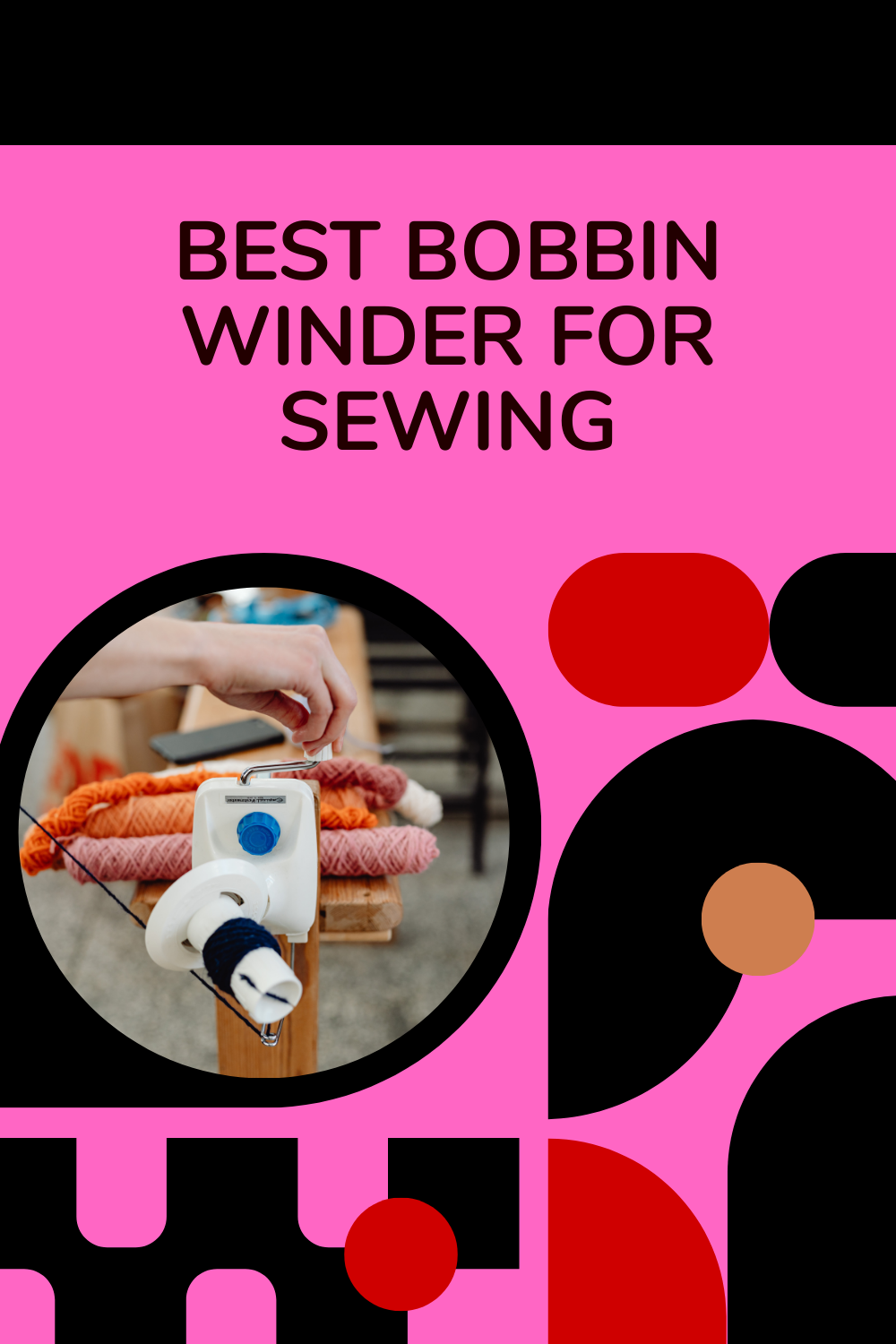
Ever found yourself in the middle of an exciting sewing project, only to realize your bobbin is running low on thread? Ugh, right? The bobbin winder is that little machine hero you never knew you needed until you’re staring at a half-finished quilt, asking yourself how to make this situation less dramatic.
But fear not, because today we’re diving into the wonderful world of bobbin winders how to use them, what to look for, and, of course, the reasons you should seriously consider investing in one.
I’ve been there standing over my sewing machine, fiddling with my bobbin, praying it winds without tangling into a chaotic mess. After years of sewing, I’ve come to appreciate the ease and consistency a good bobbin winder can bring to the table.
No more manually winding your bobbins like it’s some kind of ancient craft. We deserve a little convenience. Let’s dive in, shall we?
| Product Image | Product Name | Features | Price |
|---|---|---|---|
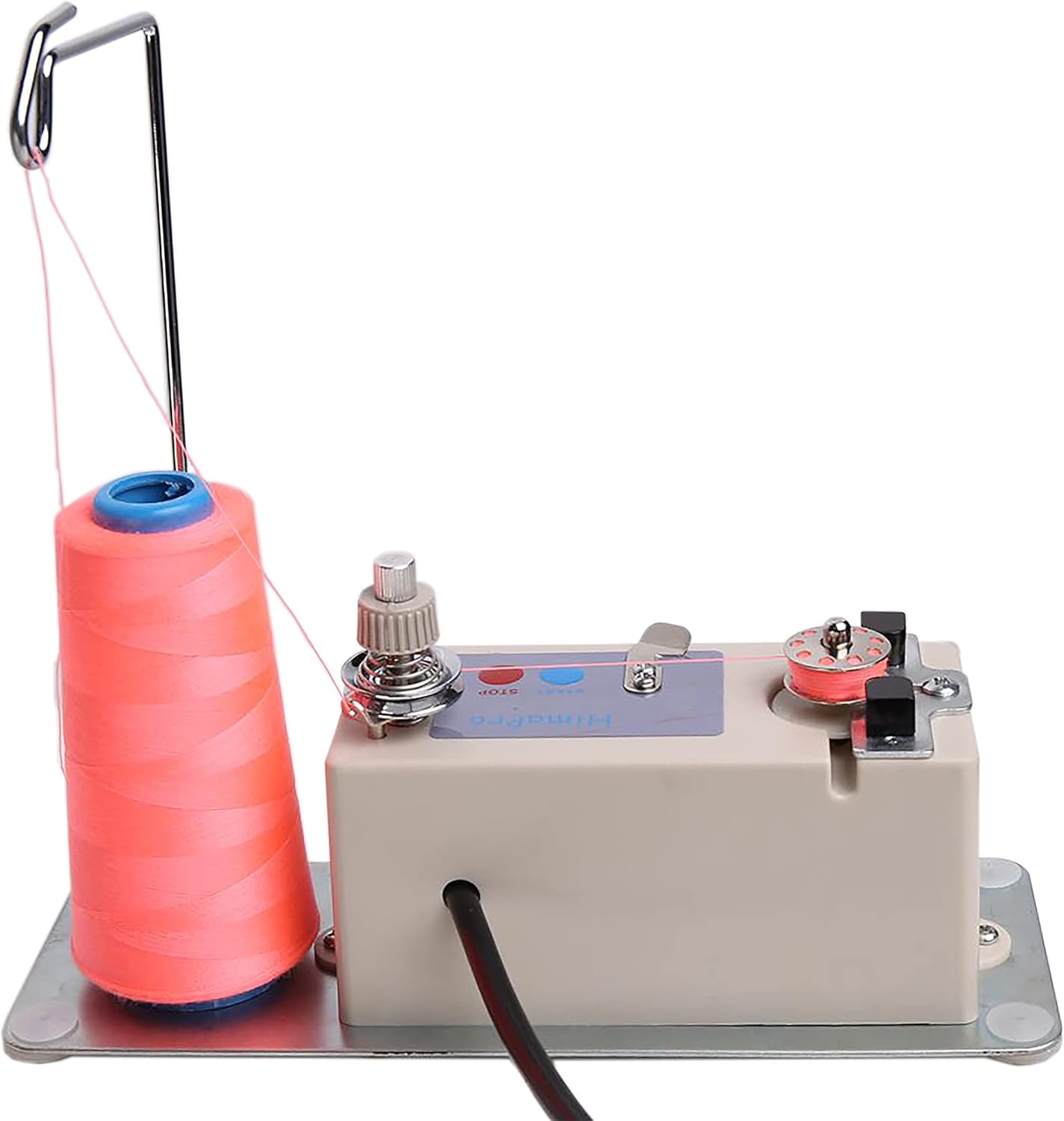 |
HimaPro Automatic Bobbin Winder for Sewing Machine | Includes base plate and thread stand, easy to install directly on your sewing table. Start/Stop button and adjustable tension knob make winding smooth and user-friendly. Prevents overwinding and saves time by stopping once the bobbin is filled |
Check Price |
 |
SINGER Portable Bobbin Winder | Easy to carry for sewing classes, travel, or home use. Stops winding when the bobbin is full, preventing overfilling and wasted thread. No need to pause your sewing; wind bobbins separately while continuing your project. Ideal for multitasking and keeping extra bobbins ready whenever needed. |
Check Price |
 |
SPEENSUN Yarn Winder, 3.5 OZ Easy-to-Install | Makes winding faster and more enjoyable, helping you spend more time knitting or crocheting. ade from strong ABS material for long-lasting use, even with frequent winding. Non-slip silicone base and bolts keep the winder stable. Fits tables up to 1.77″ thick, ensuring stability without wobbling during use. |
Check Price |
 |
CKPSMS Brand -110V Automatic Bobbin Winder | Faster Than Built-In Winder. Can be set up anywhere; slip-resistant bottom plate keeps it stable during use. Simple On/Off switch, adjustable thread tension, and built-in thread cutter for convenience. Stops automatically when the bobbin is full, preventing overwinding and wasted thread. |
Check Price |
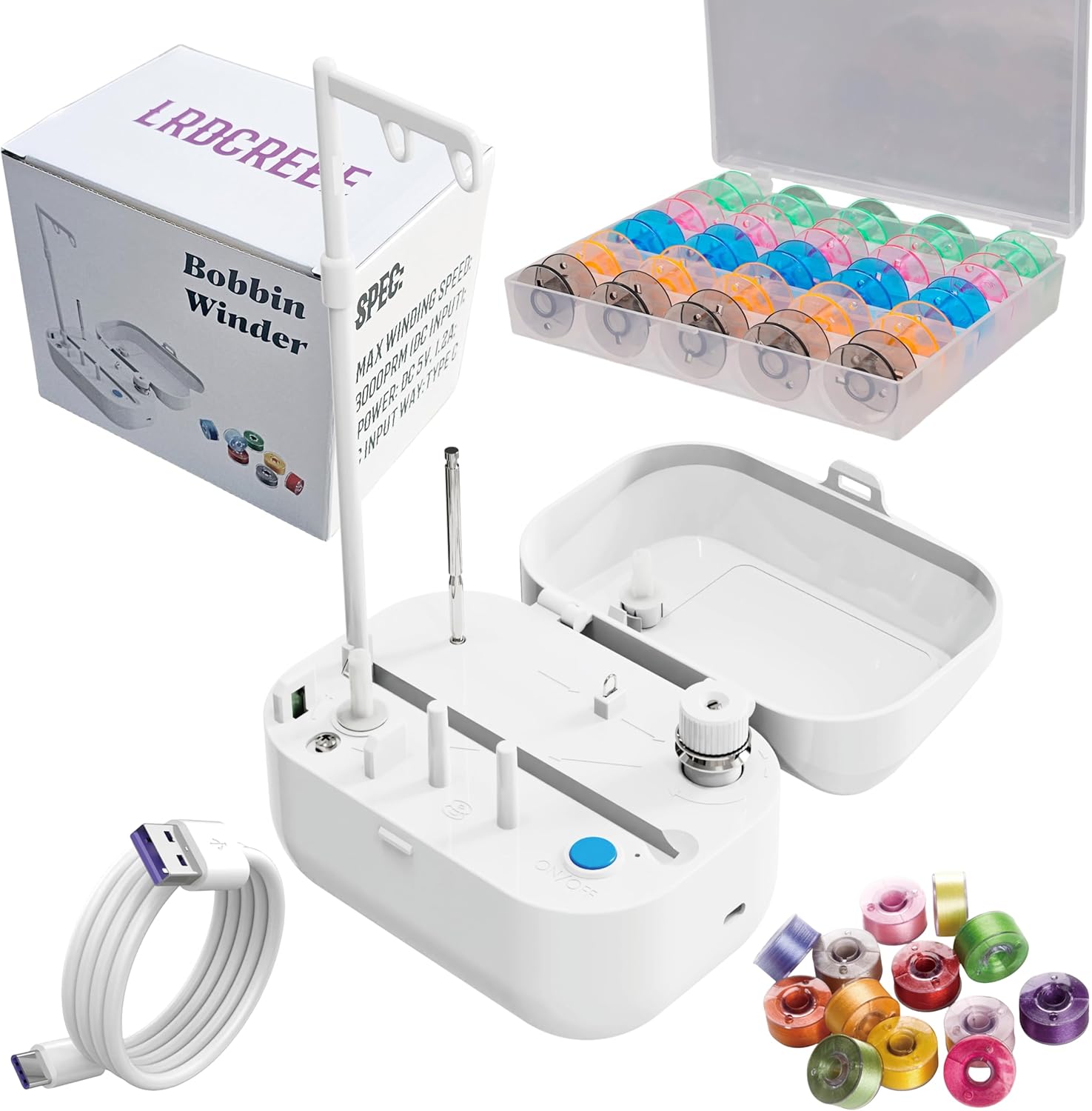 |
LRDCREEE Automatic Bobbin Winder Bobbin Winding Machine | Lightweight design makes it easy to carry for classes, travel, or quick home use. Saves time by winding bobbins efficiently, perfect for busy sewing enthusiasts. Smart sensor halts winding when bobbin is full, preventing overfilling and wasted thread. Includes 25 plastic bobbins, giving you everything needed for multiple projects. |
Check Price |
What is a Bobbin Winder and Why Do You Need One?
Let’s get this out of the way first: what exactly is a bobbin winder? Well, it’s a device designed to wind thread onto your bobbins in a smooth, consistent manner. Sounds simple, right? But trust me, once you’ve used one, you’ll wonder how you ever lived without it. It’s a sewing game-changer!
Without one, you’re stuck manually feeding the thread onto your bobbin. That’s time-consuming, prone to error, and let’s face it kinda frustrating when the thread tangles up or doesn’t wind evenly. A bobbin winder automates this process, making sure your thread is neatly wound, ready for your next sewing adventure.
Why You Should Care About a Bobbin Winder
- Saves Time: If you’ve ever wound a bobbin by hand, you know how long it takes. The bobbin winder does it in a fraction of the time.
- Consistency is Key: You can count on it to wind your bobbins evenly every time. No more uneven winds that mess with your machine’s tension.
- Less Frustration: We’ve all been there thread getting stuck or your bobbin winding into a giant knot. A good winder solves all that.
- Versatility: Some bobbin winders can handle various thread types and bobbin sizes, making them perfect for all your sewing projects.
Types of Bobbin Winders: What’s Out There?
Okay, so you’re sold on the idea of a bobbin winder. Now, let’s talk about the different types. It’s not just about picking one up from a store—it’s about understanding which one fits your needs best. And yes, there’s more than one type of bobbin winder out there!
Mechanical Bobbin Winders
These are the basic models that run manually but are still a vast improvement over hand-winding. You wind them by turning a crank, and they do the work for you. It’s the simplest form of bobbin winding, but if you’ve got lots of bobbins to wind, you might find it a bit labor-intensive.
- Pros: Simple, reliable, cost-effective.
- Cons: Not as fast as motorized versions, a bit more work on your end.
Motorized Bobbin Winders
These are where the magic happens. Powered by electricity, these winders can quickly wind bobbins without you needing to do much other than feeding the thread. They’re often more accurate and faster than mechanical ones, and let’s be honest: if you sew a lot, the motorized models are a lifesaver.
- Pros: Fast, precise, hands-free operation.
- Cons: A little pricier, needs a power source.
Built-In Bobbin Winders
Many modern sewing machines come with a built-in bobbin winder. This is often the go-to for many sewists because, let’s face it, who doesn’t love an all-in-one feature? If your machine already has a bobbin winder, you’re good to go! However, if you’re running a sewing operation that requires constant winding, an external motorized winder might still be worth considering.
- Pros: Convenient, no need for extra equipment.
- Cons: Limited to the capacity of your sewing machine, sometimes not as fast or efficient as an external model.
Key Features to Look for in a Bobbin Winder
Now that we’ve established the basics, let’s get into the nitty-gritty. Not all bobbin winders are created equal, and there are certain features you should consider before making a purchase. Some might seem obvious, but trust me they’ll make all the difference in your sewing experience.
Speed
How fast do you need your bobbins wound? Some projects require a lot of winding, so a faster bobbin winder can save you a ton of time. If you’re the type of person who likes to keep things moving quickly, look for a winder that boasts a high winding speed. Faster is often better, but if you’re into the slow and steady method, speed might not be your main priority.
Automatic Shut-Off
Ever been in the middle of winding a bobbin only to realize it’s completely full and you missed it? Yeah, me too. That’s why an automatic shut-off is a lifesaver. It ensures that once the bobbin is full, the winder stops, preventing over-winding and wasting thread.
Thread Tension Control
This is crucial, especially if you’re working with delicate threads. Some bobbin winders come with adjustable tension settings to ensure your thread winds evenly and securely. No one wants their bobbin thread to be too loose or too tight, so having control over the tension can make a huge difference.
Capacity
Think about how many bobbins you typically need to wind in a sitting. If you’re doing a larger project or sewing professionally, you might want a winder with a higher capacity to save you time. If it’s just for personal use, a smaller model might suffice. It’s all about finding the right balance for your needs.
Ease of Use
Look for a bobbin winder that’s simple to operate. Features like easy thread guides, a straightforward start/stop mechanism, and clear instructions are key. No one wants to struggle with complicated setups when they just want to get sewing!
How to Use a Bobbin Winder: A Quick Guide
Now that you know what to look for, let’s talk about how to use these little wonders. Even though they’re designed to make life easier, sometimes it helps to have a little guidance. Here’s a quick step-by-step on how to get the most out of your bobbin winder.
1. Prepare the Thread
This may seem obvious, but it’s worth mentioning. Before you start, make sure your thread is properly loaded onto the spool. Make sure it’s not tangled or knotted trust me, this step will save you a headache.
2. Position the Bobbin
Place your empty bobbin onto the spindle of the winder. Ensure it’s seated securely to avoid any slips or miswinding. If you’re using a motorized model, most of these will have guides to ensure the bobbin stays in place.
3. Set the Tension (If Applicable)
If your winder has adjustable tension, set it to your desired level. If you’re unsure, start with the manufacturer’s recommended tension settings for the best results.
4. Start Winding
This is the fun part. Hit the start button (or turn the crank, depending on your model), and let the winder do its magic. Watch as it neatly winds the thread onto your bobbin, giving you more time to focus on your project. For motorized winders, the process should be pretty quick and easy.
5. Check the Bobbin
Once the bobbin is wound, take a quick glance to make sure the thread is evenly distributed. If not, you can manually adjust the tension or thread the bobbin again.
Pro Tips for Better Bobbin Winding
- Avoid Overfilling: Overfilled bobbins lead to thread jams, tangling, and all sorts of mess. Stop winding once the bobbin is full but not overflowing.
- Use Quality Thread: Low-quality thread can cause your winder to jam or result in uneven winding. Invest in good-quality thread for better results.
- Clean the Winder: Like anything that gets a lot of use, it’s important to keep your bobbin winder clean. Dust and thread buildup can cause it to malfunction over time.
- Test Regularly: If you’re winding multiple bobbins, give each one a quick test before using them in your machine. This helps avoid surprises mid-project.
Conclusion: The Bobbin Winder You Didn’t Know You Needed
If you’ve made it this far, you’re probably nodding along, thinking, “Yeah, I could use one of these.” Whether you’re an experienced sewer or just starting, a bobbin winder can save you time, reduce stress, and make your projects run smoother. It’s one of those small tools that can have a huge impact on your sewing life trust me, I’ve been there.
So, what’s stopping you from getting one? If you sew regularly, you’re going to thank me later. No more tangled threads, no more overfilled bobbins, and no more wasting precious time. Go ahead, treat yourself to a bobbin winder it’s time to make your sewing experience as seamless as possible. Happy sewing! 🙂