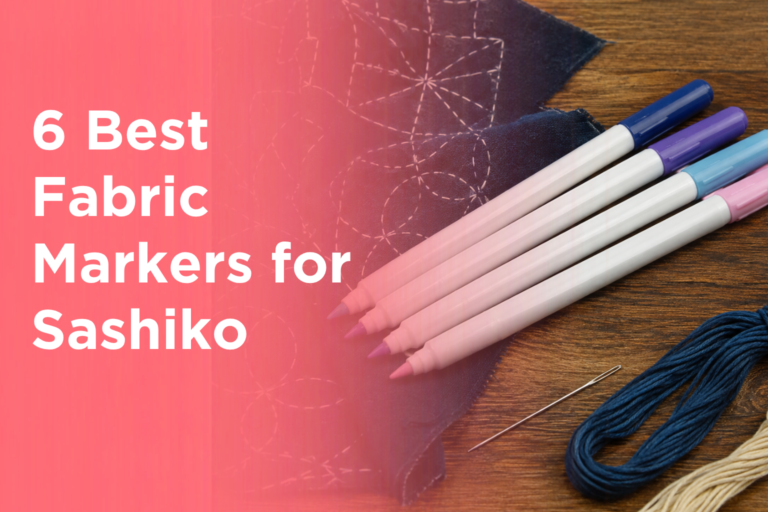
A sewing mark has one job while you are working: stay visible long enough to guide a cut, dart, seam, pocket, quilting line, or embroidery placement. Then, in most cases, it needs to disappear without leaving a shadow, stain, stiff patch, or surprise line that shows up after pressing. That sounds simple until you put three different marking tools on the same fabric and discover that each behaves differently.
Cotton absorbs ink differently from a coated canvas. A soft knit can stretch under a firm pen tip. Dark wool may hide a blue water-soluble line completely, while a white chalk line shows up immediately. Heat-sensitive ink can be convenient during construction, but heat does not necessarily remove the ink chemistry from the fibers. Permanent fabric ink solves a completely different problem because it is meant to stay.
The best fabric markers for sewing are therefore chosen by removal method first, visibility second, and tip style third. I would rather use a modest marker that I know will come out of a specific cloth than a beautifully packaged set whose removal behavior I have not tested. The eight options here cover water-removable ink, chalk pencils, a chalk-wheel pen, heat-erasable ink, and permanent black fabric ink, so the differences are useful rather than cosmetic.
How Sewing Markers Behave on Fabric
Sewing markers are not all versions of the same pen. Some deposit a water-soluble dye into the fibers. Some lay a dry chalk or wax-based line on the surface. Heat-erasable pens use thermochromic ink that becomes invisible when warmed. Permanent fabric markers are designed to survive laundering. Those removal mechanisms matter more than the shape of the barrel.
Water-removable ink gives fine lines but needs a washable project
Water-soluble pens are popular because they behave much like ordinary writing pens. A narrow point can trace pattern lines, mark button placement, draw quilting guides, or transfer a simple shape with much more precision than a block of tailor’s chalk.
Their convenience comes with one condition: the fabric must tolerate the amount of water needed to remove the mark. LEONIS, Mr. Pen, OZXTYO, and the SINGER set all belong in this broad family, although their exact designs and instructions differ. For a machine-washable cotton project, that can be easy. For a fabric labeled dry-clean-only, a water-removable marker may create more risk than it solves.
Do not assume a line is removable just because the marker says washable. Test it on a scrap from the actual project and remove the test mark using the same method you plan to use later. Fabric finishes, dyes, fiber blends, and even the amount of pressure used can change the result.
Chalk stays nearer the surface
Tailor’s chalk pencils and chalk-wheel pens place a dry marking material on or near the fabric surface rather than saturating it with liquid ink. That can make them useful on textured cloth, heavier wovens, dark colors, leather-like surfaces, and projects where you would rather brush or wipe a mark away than wet the whole area.
The KALOUR pencil set gives you six colors and a familiar pencil format. The Sewphee chalk pen uses a dosing wheel that releases a fine chalk line. These are different experiences. Pencils need sharpening and can drag if the point becomes blunt. A chalk wheel rolls across the cloth and can make repeated straight lines quickly, but its line is deliberately lighter than a permanent drawing tool.
Chalk is not automatically harmless. Some pigments can cling to fibers, and pressing over any marking material can make removal harder. A scrap test still matters, especially on pale silk-like fabrics, brushed surfaces, or anything with an unusual finish.
Heat-erased does not always mean chemically removed
The Lange & König pens use heat-sensitive ink that becomes invisible when warmed. That is fast and convenient for quilting grids, seam guides, placement marks, and other work that will be pressed anyway. The important distinction is that making the color disappear is not necessarily the same as washing the marking substance out of the cloth.
Manufacturers of heat-erasable sewing pens and sewing educators warn that thermochromic marks can sometimes leave a ghost line or reappear after exposure to very cold temperatures. For an heirloom quilt, show piece, garment that may travel in winter, or a mark placed on a highly visible area, I would not treat heat alone as a guaranteed permanent removal method. Test first, and if the finished project allows it, wash out any remaining marking substance according to the pen maker’s instructions.
Permanent black fabric ink belongs at the end of the process
The Missouri Star black markers are intentionally different. Their ink is water resistant and designed to remain through laundering. That makes them useful for quilt labels, signatures, dates, care notes, decorative lettering, and final black linework.
It also means they are the wrong tool for a cutting line or dart that must vanish. This is a good example of why the phrase “fabric marker” can be misleading. A marker can be excellent on fabric and still be completely wrong for temporary sewing construction.
Tip size controls both accuracy and fabric stress
Fine tips make narrow lines, but a sharp point can push into soft knits or open weaves if you press too hard. Chalk wheels glide over the surface differently. Broad fabric-marker tips are useful for lettering and filled areas, but they are excessive for a 1/4-inch seam guide.
Use the lightest pressure that produces a visible mark. If you have to grind a pen into the cloth to see it, the ink color or marking method is probably wrong for that fabric. A visible line should come from contrast, not from force.
| Product Image | Product Name | Features | Price |
|---|---|---|---|
 |
LEONIS Water Erasable Fabric Marking Pen Blue 5 Count Pack | Designed for precise marking, giving sewists and crafters confidence in every line. High-quality Japanese ink dissolves or washes away with water, leaving no trace behind. Narrow, firm pen tip ensures smooth, accurate lines for detailed sewing and craft work. |
Check Price |
 |
Mr. Pen- Fabric Markers for Sewing | Includes 5 pens with specialized water-soluble ink for temporary fabric marking. Ink washes away with water, leaving no permanent stains or residue. Ensures projects look clean and polished by removing markings before completion. Avoid ironing before erasing; heat may set the ink permanently. |
Check Price |
 |
12 PCS Tailors Pencil Se | Includes 12 tailor pencils plus 2 high-quality sharpeners, ensuring long-term usability. Each pencil measures 17.6 cm (6.93 inches), offering comfortable grip and extended service life. Produces crisp, visible sewing lines that are easy to follow without smudging or dirtying hands. |
Check Price |
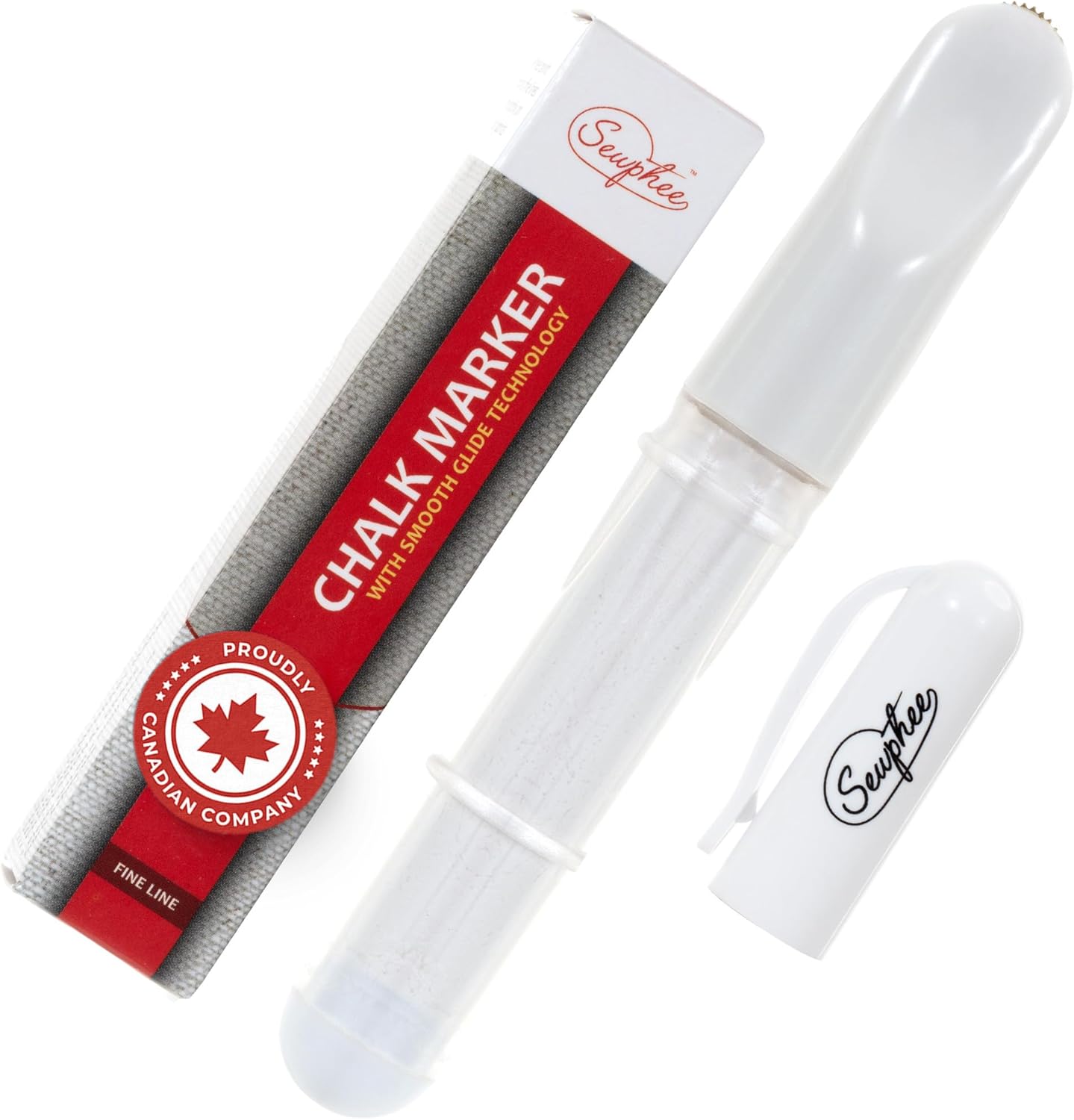 |
Fabric Markers for Sewing | Lines are intentionally light to protect fabric integrity and allow safe removal. Ergonomic design reduces strain, offering better control and accuracy for sewing and embroidery. Easy cleanup with water; White is ideal for delicate fabrics like silk, nylon, or chiffon. Works smoothly on cotton, knit, leather, and more (not suitable for silk or nylon). |
Check Price |
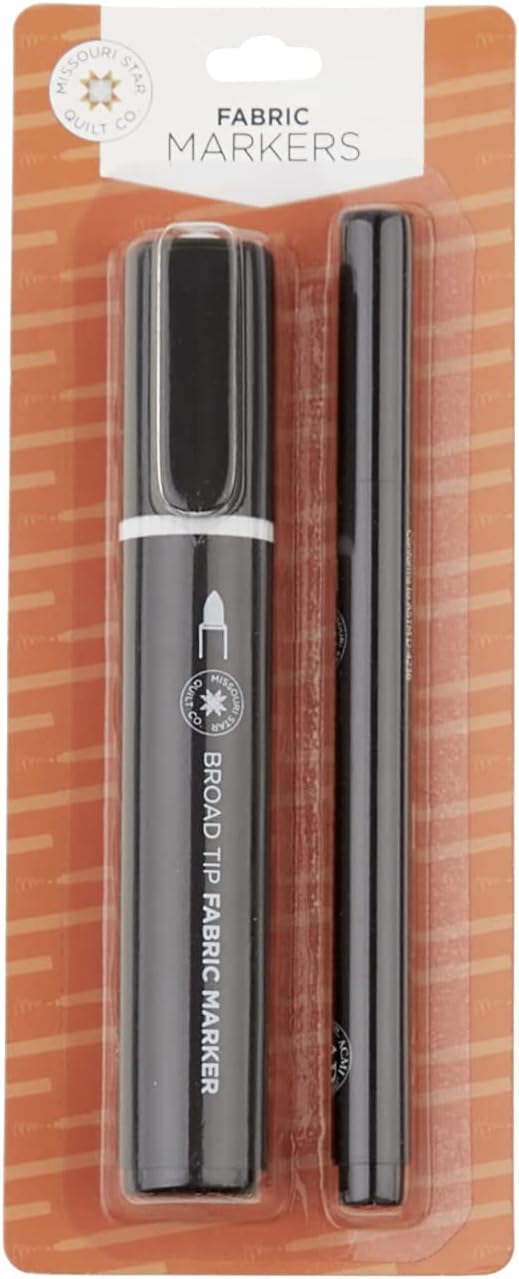 |
Black Fabric Markers 2 Pack | Water-Resistant & Durable. No steam or ironing required; ink dries quickly for hassle-free creativity. Perfect for quilt labels, clothing customization, and fabric crafts. Fine tip allows for detailed outlining, while broad tip is ideal for bold strokes. |
Check Price |
 |
Lange & König Heat Erasable Fabric Marking Pens for Sewing | Each pen includes 3 refills, covering up to 1300 feet of markings for long-lasting use. Disappears cleanly with zero residue, leaving fabric pristine and professional-looking. A must-have for quilting, tailoring, embroidery, and sewing machine projects. Perfect for detailed patterns, cutting guides, and stitch lines. |
Check Price |
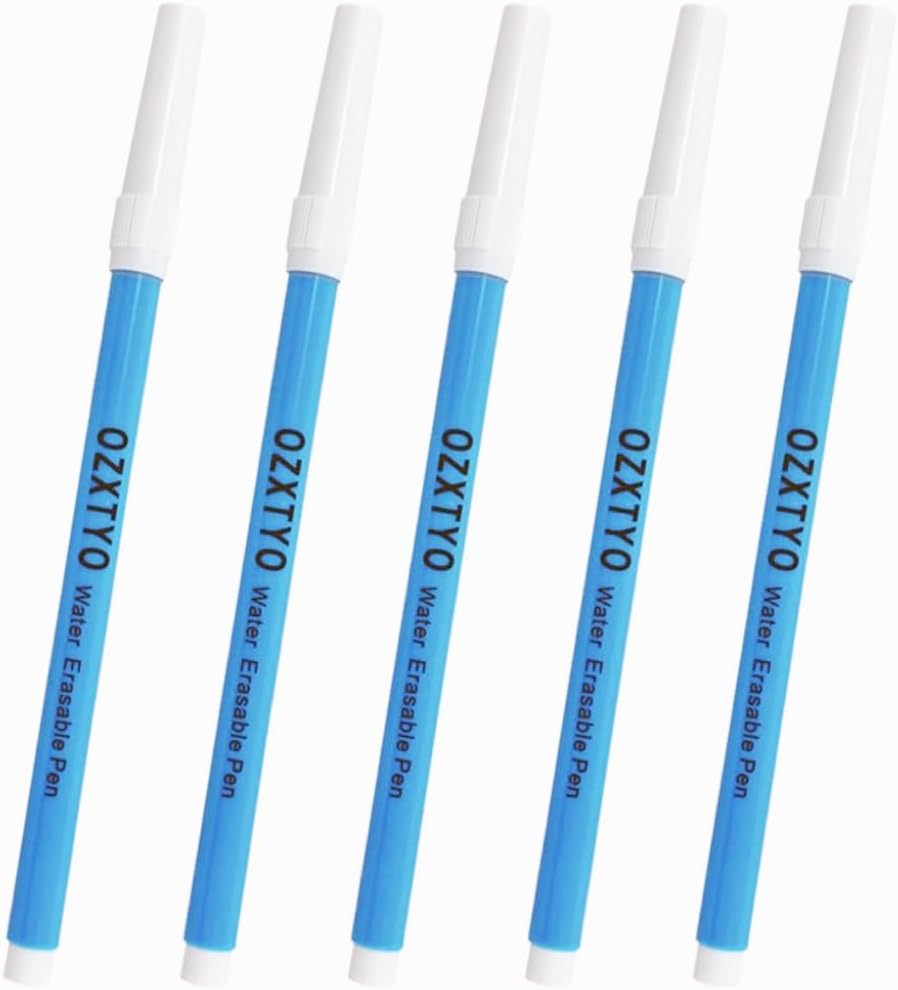 |
Washable Fabric Markers for Sewing | Includes 5 blue fine-point pens, perfect for multiple sewing and craft projects. Each pen measures 6.5 inches, offering comfortable grip and extended usability. Fine point delivers sharp markings for accurate cutting, stitching, and design transfer. Avoid ironing before erasing, as heat may set the ink permanently. |
Check Price |
 |
SINGER 04371 Fine Point Disappearing Fabric Marking Pen | Includes two fine-point pens in pink and blue, each measuring 5.75 inches. Marks disappear with water, leaving fabric clean and residue-free. Fine tips deliver sharp markings for accurate design and pattern creation. Perfect for creating designs and patterns on fabric without permanent staining. |
Check Price |
What to Check Before You Mark a Cut Line
The tool that works beautifully on a cotton quilt may be frustrating on black denim or risky on a delicate lining. A few checks before you begin can prevent the most common marking problems.
Decide how the line must disappear
Start with the end of the process. Will the finished piece be washed? Can the marked area be dampened? Will you press the entire project? Does the fabric tolerate heat? Do you actually want the mark to remain?
Water-removable pens make sense when controlled wetting or washing is safe. Chalk is useful when you want a surface mark with minimal liquid. Heat-erasable ink can save time during press-heavy sewing. Permanent fabric ink should be reserved for labels, decoration, or information that is meant to survive.
Match the marking color to the fabric
Blue water-soluble ink is easy to see on white, cream, pale pink, and many medium-value prints. It disappears visually on navy, black, and some saturated colors. White chalk does the opposite: it can be excellent on dark cloth and almost useless on pale fabric.
The KALOUR set’s six colors are useful because you can choose contrast rather than forcing one shade onto everything. The SINGER two-pack gives pink and blue, which provides some flexibility on light fabrics. A single blue five-pack is simpler but less adaptable to color changes.
Consider the fabric surface
A tightly woven cotton presents a smooth surface to a fine pen. Loosely woven linen, fleece, brushed flannel, and chunky knits do not. Liquid ink can wick along fibers; a very fine pen may skip across texture; chalk can catch on a napped surface.
For textured materials, make a longer test line rather than a tiny dot. A dot cannot show you whether the marker drags, feathers, or disappears between fibers. The test should imitate the kind of mark you will actually make on the project.
Check whether the fabric can be washed or only spot treated
Some water-soluble markers are intended for washable fabrics. OZXTYO’s current product information specifically says the marks are removed with water and that the pens are not recommended for dry-clean-only fabric. That is practical guidance, not a minor footnote.
If the fabric cannot be washed, decide whether a damp cloth is acceptable before marking. If any moisture could create a ring, color bleed, or texture change, chalk or another dry marking method may be safer.
Think about pressing order
Several water-removable pen makers warn against ironing over the line before erasing it because heat can make the mark harder to remove. That matters in garment sewing because pressing usually happens at several stages, not only at the end.
If you mark a dart with water-soluble ink, stitch it, and immediately press the dart without thinking about the marker, you may have made cleanup more difficult. Plan which marks must be removed before the iron arrives. For heat-erasable ink, the opposite is true: heat is the intended trigger, so pressing may erase guides earlier than you want.
Decide how long the line needs to last
Some disappearing inks fade with time as well as moisture. That is convenient if you sew immediately and annoying if a project sits for several days before the next step. Water-removable blue pens generally stay visible until dampened, while chalk may rub away during handling.
For a large quilt top that will be marked over multiple sessions, long-lasting visible guides can be more useful than fast-fading lines. For a simple dart or button placement, you may only need the mark for a few minutes.
Keep permanent and temporary tools physically separate
This sounds overly cautious until two black pens are lying beside a half-finished quilt. A permanent marker should not live in the same uncapped pile as your temporary sewing pens. Store it in a separate pocket or label the barrel clearly so you do not discover the difference after drawing a construction line across the right side of a garment.
LEONIS Water Erasable Fabric Marking Pen Blue 5 Count Pack — Precise Water-Removal Lines for Washable Sewing
LEONIS makes this five-pack specifically as a water-erasable fabric marking tool. The current manufacturer information identifies a narrow, firm Japanese-made pen tip, blue water-soluble ink, and a five-pen package. The brand also states that marks can be removed with a damp towel or washing with water.
That makes the LEONIS set one of the clearest choices here for temporary construction marks on washable fabric. The fine point is useful for dart legs, pocket placement, quilting guides, embroidery positioning, button lines, and pattern-transfer marks where a thick chalk line would be imprecise.
The manufacturer also publishes a verified writing-distance claim of up to 500 meters for the marker. I would treat that as a manufacturer test rather than a promise of identical performance on every textile, because fabric absorbs ink differently from a writing-test surface. The more useful fact for a sewist is that the point is designed to remain narrow and distribute ink smoothly.
Key features translated into practical benefits
The fine, firm tip is the main reason to choose LEONIS. A narrow line makes it easier to place a stitch exactly where intended instead of deciding which edge of a wide chalk stripe represents the real seam line. This is especially helpful for small garment details and intricate quilting marks.
The blue ink provides strong contrast on many light fabrics. It is easy to follow on white cotton, muslin, pale linen, and a large range of pastel sewing fabrics. Blue is much less useful on navy or black, so this is not a universal color solution.
Water removal is straightforward when the project can safely be dampened. LEONIS advises wiping with a damp towel or washing with water. The brand also warns against ironing before the mark is removed because heat can make the line harder to erase.
The five-pack is practical if you keep markers in more than one workspace or sew often enough to use them regularly. Compact pens are easy to store, although a smaller body may feel less substantial to someone who prefers a full-size writing pen.
- Fine, firm tips create narrow guides for darts, seams, quilting lines, and placement marks.
- Water-removable blue ink is easy to clear from fabrics that can be safely dampened or washed.
- The five-pack gives you backups without forcing you to switch marking systems mid-project.
- Manufacturer instructions are unusually clear about removal and the need to erase before ironing.
- Blue ink is difficult to see on very dark fabrics, so you will still need a contrasting marking tool for part of a mixed-fabric sewing kit.
Who It’s Best For
LEONIS suits sewists who work mainly with washable light-to-medium fabrics and want a fine temporary line that stays visible until they deliberately remove it with water.
Not Ideal For
It is not the right first choice for dry-clean-only textiles, deep navy or black cloth, or projects that will be pressed before you have a chance to remove the blue lines.
Mr. Pen Washable Fabric Markers for Sewing 5 Pack — Simple Fine Blue Guides for Everyday Projects
Mr. Pen’s washable sewing markers are another five-pack of blue water-soluble pens, but the current product information gives a useful extra detail: the fine tips are listed at about 0.5 mm. That is a genuinely practical size for construction marking because it is narrow enough for seam guides and design transfer without covering too much fabric.
The set is intended for temporary marking in sewing, tailoring, embroidery, and craft work. Marks are removed with water. The maker’s instructions also caution against ironing over the marks before removal because heat may set the ink and make it difficult or impossible to wash away cleanly.
Compared with LEONIS, the buying decision is less about a dramatic functional difference and more about the exact pen feel, availability, and which brand’s removal behavior you have already tested successfully on your fabrics. Both rely on the same general workflow: mark, sew, wet the mark away, then press.
Key features
The roughly 0.5 mm fine point supports precise line work. A narrow guideline is useful for embroidery placement, button positions, pleats, darts, and stitch paths where accuracy matters more than filling a large area.
The five identical blue pens make this a practical consumable set rather than a mixed-color kit. If you regularly sew pale cotton or linen, that consistency is convenient. If your projects jump between white and black fabric, the lack of a light marking color is limiting.
Water-soluble ink means you do not need to brush chalk dust from the work surface. A small amount of water can clear local marks on compatible fabrics, while a normal wash can remove markings from pieces that are ready for laundering.
The important workflow limitation is pressing. Keep the iron away until the line has been removed. In a garment project, that means thinking ahead before pressing darts, seams, hems, or interfaced sections.
- The fine 0.5 mm-style point is well suited to accurate sewing and embroidery guides.
- Water-soluble blue ink allows deliberate removal instead of waiting for marks to fade on their own.
- Five pens provide useful backups for a tool that is likely to be used repeatedly during sewing.
- The simple one-color set is easy to understand and does not require learning several removal methods.
- You need to manage the pressing sequence carefully because ironing before water removal can make the mark harder to erase.
Who It’s Best For
This set makes sense for everyday sewing on washable light-colored fabrics, especially if you prefer pen-like control and want a straightforward five-pack for repeated use.
Not Ideal For
Choose another method for dark fabrics, dry-clean-only materials, or projects where you must press directly over construction marks before they can be dampened.
KALOUR 12 PCS Tailors Pencil Set — Six Chalk Colors Without Liquid Ink
The KALOUR set shifts away from liquid ink entirely. Current product information identifies twelve tailor’s pencils, two sharpeners, and six marking colors: white, yellow, red, blue, green, and black. The pencils are approximately 17.6 cm long and use a core made from pressed waxes, clays, and pigments.
That mix of colors is the strongest reason to consider the set. Sewing rarely happens on one fabric color forever. A blue marker that is excellent on muslin disappears visually on denim. White chalk can be ideal on black cotton and useless on ivory. Having six shades lets you choose contrast project by project.
A pencil also behaves differently on fabric. There is no liquid ink to wick along the weave, and you control line width partly by sharpening. The trade-off is friction: a pencil point can drag more than a felt or gel tip, especially on soft knit, napped, or loosely woven cloth.
Key features
Twelve pencils across six colors give you far more contrast options than a single-color water pen. That makes the set useful for a sewing room where fabric colors change constantly.
The included sharpeners help maintain a finer point. A sharp chalk pencil can mark notches, dart points, button placement, and pattern references with much better precision than a blunt block of tailor’s chalk.
The pressed wax, clay, and pigment core leaves a dry line rather than saturating the fabric with ink. That can be preferable when you do not want to introduce water during marking or when you need a mark on a heavier woven surface.
KALOUR lists uses beyond ordinary cloth, including canvas and leather. Even so, removal behavior should be tested on the actual material because a pigment that brushes from one textile may cling to another.
- Six colors make it much easier to create visible marks across light, medium, and dark fabrics.
- Dry pencil marks avoid the wicking and bleed risk that can come with liquid ink on absorbent cloth.
- Two included sharpeners help keep the line narrow enough for precise pattern and sewing work.
- The twelve-pencil supply is useful for a busy sewing room or for keeping different colors at separate workstations.
- The pencil core can drag on stretchy, fuzzy, or loose-weave fabric, so it is not as effortless as a smooth fine-tip pen on every textile.
Who It’s Best For
KALOUR is a strong fit for sewists who work with many fabric colors and want a dry marking method that can be sharpened for relatively precise lines.
Not Ideal For
It is less appealing if you mainly sew very soft knits or prefer an ink line that glides with almost no pressure.
Sewphee Ergonomic Tailors Chalk Pen — A Dosing-Wheel Tool for Controlled Surface Marking
The Sewphee marking tool is a chalk pen rather than a liquid marker. Current product descriptions identify an improved dosing wheel that dispenses chalk as the wheel travels across the fabric. The design is intended to create narrow, intentionally light lines while keeping your fingers away from loose chalk dust.
A wheel marker can be especially useful for long seam lines, hems, pattern edges, and repeated straight markings. Instead of dragging a chalk block or repeatedly sharpening a pencil, the small wheel rolls over the surface and leaves a controlled trail.
The product is sold in different colors, and the maker specifically warns that pigment behavior changes with color and fabric. White is presented as the safer choice for some delicate fabrics because stronger yellow and pink pigments may be harder to remove. The same product information also contains a clear compatibility warning that should not be ignored: despite mentioning delicate fabrics in the color guidance, it states that the pen is not suitable for silk or nylon. Treat the compatibility warning as the controlling instruction and test every unfamiliar fabric before committing.
Key features
The dosing wheel produces a thin chalk trail without requiring a sharp pencil point. That can make long guidelines faster and more consistent, particularly on stable woven fabrics.
Because the mark is intentionally light, the tool is designed for guidance rather than decorative drawing. A lighter line is easier to remove but may require good lighting on patterned cloth.
The ergonomic barrel gives you more to hold than a small chalk triangle and keeps your fingertips cleaner. For someone marking many pattern pieces, that can make repetitive work feel more controlled.
A dry chalk-style mark can be useful where you prefer not to wet the cloth. The exact cleanup method still depends on the fabric and chalk color, so do not skip a test just because the line looks superficial.
- The dosing wheel creates narrow, repeatable chalk lines without constant pencil sharpening.
- A dry marking method avoids saturating the cloth with water-soluble ink.
- The ergonomic shape is easier to control than a small loose piece of tailor’s chalk for long marking sessions.
- Different chalk colors let you choose better contrast for the fabric in front of you.
- The maker’s compatibility notes require care, particularly around silk and nylon, so this is not a tool to use blindly on delicate fabric.
Who It’s Best For
This tool suits dressmaking, quilting, and pattern work where you want a dry, rolling chalk line on cotton, knit, leather-like material, or other compatible surfaces.
Not Ideal For
It is not the most reassuring option for silk, nylon, or any fabric where you cannot test a chalk color and removal method first.
Missouri Star Markers 2-Pack Black — Permanent Ink for Quilt Labels and Final Fabric Details
The Missouri Star set is the outlier, and that is exactly why it deserves careful explanation. These are permanent black fabric markers, not temporary construction pens. Missouri Star’s current product information identifies two markers: one broad-tipped pen for thicker line work and one fine-tipped pen for detailing. The water-resistant ink is designed to remain through washing, and no heat setting is required.
That makes the set useful for quilt labels, dates, signatures, care information, decorative lettering, clothing customization, and intentional black linework. It also makes it a poor choice for seam allowances, dart legs, pocket placement, cutting lines, or anything you expect to erase later.
If you remember only one thing about this set, remember that its strength is permanence. Put it in a separate compartment from your temporary markers so you never grab it by habit while marking the right side of a garment.
Key features
The fine tip handles small lettering, names, dates, and detailed outlines. On a quilt label, that makes it easier to fit information into a small space without using oversized handwriting.
The broad tip gives you stronger strokes and better coverage for decorative marks or bolder labeling. Having both widths is more useful than two identical permanent pens if you mix writing with simple illustration.
Missouri Star states that the ink is water resistant, machine-washable, non-toxic, and conforms to ASTM D-4236. The company also says the ink dries without steam or ironing, which removes a heat-setting step from label making.
Because the markers are black, they offer strong contrast on pale label fabric. They are much less visible on black or very dark cloth unless you create a light label panel first.
- Permanent water-resistant ink is well suited to quilt labels, signatures, dates, and information that should survive washing.
- The pack includes both fine and broad tips for detailed lettering and stronger decorative strokes.
- No steam or ironing is required to set the ink according to the maker’s instructions.
- The fine black line is useful for readable labels on light cotton and other pale fabrics.
- The ink is intentionally permanent, so a construction mark made in the wrong place may not be removable.
Who It’s Best For
Choose this set for finished quilt labels, permanent garment notes, signatures, decorative black details, or other marks that are meant to remain part of the project.
Not Ideal For
Do not use it for temporary seam guides, cutting lines, darts, pleats, button placement, or any mark that must disappear before the piece is worn or displayed.
Lange & König Heat Erasable Fabric Marking Pens — Refillable Lines Removed by Heat
Lange & König’s pens use heat-sensitive ink and are sold with refills. Current product information states that each pen includes three refills and advertises up to 1,300 feet of marking coverage. The marks are intended to disappear when exposed to heat from an iron.
The workflow is appealing for quilting and garment construction because many sewing projects are pressed repeatedly anyway. You can draw a fine line, stitch against it, and remove the visible color during pressing instead of stopping to dampen the cloth.
The trade-off is the chemistry of heat-erasure. Thermochromic ink becomes colorless with heat; it is not always physically removed from the fibers. Sewing references and heat-erasable pen makers note that lines can sometimes leave shadows or return in very cold conditions. That makes these pens excellent process tools but a choice I would test especially carefully on heirloom, exhibition, light solid, or high-value fabric.
Key features
Heat removal is fast. If the fabric tolerates pressing, you can erase a guide in seconds without adding water to a half-constructed garment or quilt block.
The refill system reduces the need to replace the whole barrel whenever the ink runs out. For frequent sewing, that is a useful feature because marking pens are consumable tools.
Fine pen-like control is well suited to precise quilting grids, embroidery placement, seam lines, and pattern references. The line stays visible until heat is applied, which is helpful if you need to handle the piece repeatedly before sewing.
The maker promotes the pens for a wide range of fabrics, but “works on fabric” should never be read as “safe on every finish.” Heat-sensitive dyes, coated textiles, and delicate materials still require a scrap test with both the marker and the planned iron temperature.
- Heat makes visible guide lines disappear quickly during a normal pressing workflow.
- Three refills per pen extend useful marking time without requiring a new pen body each time.
- Fine lines work well for detailed quilting, tailoring, embroidery placement, and stitch guides.
- The marks remain visible during handling until you deliberately apply heat.
- Heat-erased lines can sometimes ghost or reappear in cold conditions, so heat alone is not the best removal strategy for every finished piece.
Who It’s Best For
These pens suit sewists who press frequently, work on heat-safe fabrics, and want temporary fine lines that disappear rapidly during construction.
Not Ideal For
I would avoid relying on heat-only removal for freezer-cold environments, heirloom display work, or any textile where a faint returning line would be unacceptable.
OZXTYO Washable Fabric Markers for Sewing 5 Pack — Long Fine-Point Pens for Water-Safe Fabrics
The OZXTYO set is a five-pack of blue, fine-point, water-soluble fabric markers. Current product information lists each pen at about 6.5 inches long and identifies the set for sewing, quilting, dressmaking, crafts, and embroidery. The maker says the marks are removed with water and specifically advises use on washable fabrics rather than dry-clean-only material.
That last detail gives the product a clear place. It is for projects where water removal is part of the plan, not a vague promise that the marks will somehow vanish regardless of fabric care requirements.
The long full-size pen body may feel more familiar than compact markers, particularly during repeated pattern marking. Like the Mr. Pen and LEONIS options, it is strongest on fabric colors where blue creates enough contrast.
Key features
The fine point produces narrow lines for cutting, stitching, and design transfer. A crisp line is especially useful when you are marking a seam intersection or a small placement point rather than a broad decorative area.
The five-pen pack gives you multiple identical tools, which is useful if you want one at the cutting table, one beside the sewing machine, and backups in storage.
Water solubility gives you an intentional removal method. You do not need to wait for air exposure or apply heat, but the fabric must be able to handle the water used for cleanup.
The manufacturer warns against ironing before removal. That should influence your sewing order: clear the blue marks before pressing a marked area whenever possible.
- Fine blue points create precise temporary lines for sewing, quilting, dressmaking, and embroidery work.
- The explicit washable-fabric guidance makes it easier to decide when this pen is appropriate and when it is not.
- Five full-size pens are convenient for frequent sewing and multiple work areas.
- Water removal gives you direct control over when the line disappears.
- The set is not recommended for dry-clean-only fabric and offers no contrasting light color for very dark textiles.
Who It’s Best For
OZXTYO suits sewists who regularly work with washable light or medium fabrics and want a full-size fine blue marking pen with a straightforward water-removal workflow.
Not Ideal For
Skip it for dark navy or black fabric, dry-clean-only textiles, or projects that must be pressed before the marks can be removed.
SINGER 04371 Fine Point Disappearing Fabric Marking Pen — Pink and Blue for Temporary Pattern Marks
SINGER’s 04371 set includes two fine-point fabric marking pens, one pink and one blue. Current product information identifies the pens at about 5 3/4 inches and describes them as water-soluble marking tools for creating temporary designs and patterns on fabric.
The two colors are useful because one blue pen does not provide enough contrast on every light fabric. Pink can be easier to see on some pale blues and cool prints, while blue is strong on white, beige, and many warm light fabrics. Neither solves the dark-fabric problem the way white chalk does, but the pair is more flexible than an all-blue pack.
One specification deserves special attention: SINGER’s product information says the pens are not for transferring embroidery or quilt designs. That makes them better understood as general temporary sewing and pattern-marking pens rather than a universal transfer tool for every needlework application.
Key features
The fine tips make narrow marks that are easier to place accurately around pattern details. This is useful for dots, notches, dart points, button placement, fold lines, and other small references.
Pink and blue give you two contrast choices without turning the set into a large multi-color kit. You can choose the shade that is easier to see on the fabric in front of you.
Water-soluble ink allows temporary marks to be removed rather than left as part of the finished project. As always, test the exact fabric before marking a visible area.
SINGER states that the set conforms to ASTM D-4236. That is useful product labeling information, but it does not change the basic sewing rule: keep marking tools capped, use them only for their intended purpose, and avoid unnecessary skin or eye contact with ink.
- Two colors provide more visibility choices than a five-pack containing only blue ink.
- Fine points are well suited to small pattern references, design lines, and accurate garment marking.
- Water-soluble marks are intended to disappear rather than remain through the life of the project.
- The familiar full-size pen format is easy to control during ordinary sewing work.
- SINGER says the pens are not intended for transferring embroidery or quilt designs, which narrows their use compared with some general-purpose water-soluble marking pens.
Who It’s Best For
This set suits garment sewing and general pattern marking where you want two temporary ink colors and fine control on light-to-medium fabrics.
Not Ideal For
It is not the best choice for dark fabrics or for users specifically looking for a pen to transfer embroidery or quilting designs contrary to the maker’s stated limitation.
Comparing the Eight Options
The most useful comparison is not which product has the longest feature list. It is which marking method matches what must happen to the line after you sew.
For fine lines that you plan to remove with water
LEONIS, Mr. Pen, OZXTYO, and SINGER all use temporary water-removable ink. LEONIS stands out for detailed manufacturer guidance and its narrow firm tip. Mr. Pen is a simple five-pack with fine blue points. OZXTYO is another five-pack, with explicit instructions limiting use to washable rather than dry-clean-only fabrics. SINGER gives you two colors instead of five identical blue pens.
If you sew mostly pale washable cotton, any of these can fit the workflow after a successful scrap test. I would choose based on tip feel, color needs, how much marking you do, and which removal instructions fit your pressing sequence.
For a dry line instead of liquid ink
KALOUR and Sewphee are the two dry-marking choices. KALOUR gives you twelve sharpenable pencils in six colors. It is the more flexible option for changing fabric colors and for someone who likes the control of a pencil point.
Sewphee uses a dosing wheel. It is faster for long lines and avoids constant sharpening, but the product’s fabric-compatibility notes require close attention. If you work on an unfamiliar textile, a dry tool still needs a removal test.
For heat-based cleanup during pressing
Lange & König is the clear heat-erasable option. It is appealing when you want lines to remain until pressing and you do not want to wet a half-finished project. The refill system also suits frequent use.
Its limitation is equally clear. Heat makes thermochromic ink invisible; it does not always mean the mark is chemically gone. For a project that may be exposed to severe cold or displayed under demanding conditions, use a more conservative marking method or follow heat removal with a proven wash-out process if the fabric permits it.
For labels and marks that should remain
Missouri Star’s black two-pack should be considered separately from the temporary tools. Use it for quilt labels, signatures, permanent decorative lines, and information that should survive washing.
Do not use a permanent fabric marker simply because it writes beautifully. The cleanest temporary line is the one you can remove; the best permanent line is the one you deliberately meant to keep.
For dark fabric
The blue water pens are generally weakest on very dark cloth. KALOUR’s white or other light chalk colors give you a more obvious contrast option. Sewphee is also sold in light chalk configurations. Missouri Star black is permanent and therefore does not solve the ordinary temporary-marking problem on black cloth.
For dark fabric that needs a temporary precision line, test a light chalk method first. If the surface is textured, also check whether the line remains visible after handling.
For a large sewing kit rather than one project
A mixed sewing kit benefits from more than one removal method. A water-soluble fine pen handles precise washable work. A white chalk pencil or wheel covers dark fabric. A permanent black pen belongs in a separate pocket for quilt labels. Heat-erasable ink is useful when a pressing workflow makes it genuinely convenient.
That is a more practical setup than trying to force one marker onto every fiber, color, and finishing process.
How to Mark Fabric Cleanly and Remove the Lines
Good markers still produce bad results if the fabric is not prepared or the removal method is used in the wrong order. The following workflow keeps the risk low.
1. Read the care label before choosing the marker
Start with the fabric, not the pen. Confirm whether the textile can be washed, spot dampened, pressed, or only dry cleaned. A water-soluble marker makes little sense if the finished fabric should never be wet.
Also check whether the project contains multiple fabrics. A quilt top may be washable while a special trim, ribbon, interfacing, or decorative panel is not. Mark each material according to its own needs.
2. Test on a true scrap from the project
Use an offcut from the same fabric bolt or garment piece. Draw the same type of line you plan to use later, with the same pressure. Let it sit for roughly the same amount of time your real project will take before removal.
Then remove it using the intended method. Look at the fabric both wet and fully dry. A mark that appears gone while damp can sometimes become visible again after the fibers dry.
3. Mark the wrong side whenever the construction allows it
If a line can live on the wrong side, place it there. That gives you another layer of protection if a faint residue remains. Seam allowances, pocket placement references, matching marks, and some quilting guides can often be placed where the finished piece will hide them.
Visible decorative placement may require marking the right side, but that is where testing becomes even more important.
4. Use light pressure
A marker should glide rather than carve. Pressing hard can distort knits, push liquid ink farther into the fibers, create indentations with heat-erasable pens, or leave a heavier chalk deposit than necessary.
If the mark is not visible with light pressure, change color or marking method instead of pressing harder.
5. Complete the sewing step before the line is likely to vanish
Air-disappearing or easily brushed chalk marks may not remain for days. Mark only as far ahead as you can realistically sew. For a large project, work in sections instead of transferring every line at once.
Water-soluble blue marks usually stay until removed, which can be better for multi-session projects. Heat-erasable lines stay until warmed, but do not leave the work in a hot car or directly beside a heat source if you still need the guides.
6. Remove water-soluble marks before pressing them
LEONIS, Mr. Pen, and OZXTYO all include warnings about heat making water-removable marks harder to erase. Treat that as a workflow rule. Dampen or wash out the line first, let the fabric dry as needed, and then press.
For a seam that must be pressed immediately, consider chalk or another marker whose instructions better match the operation.
7. Treat heat-erasure as a visibility change until proven otherwise
When using Lange & König, apply the heat recommended for both the pen and the fabric. Do not exceed the textile’s safe iron temperature just to chase a faint line.
If the project is important, test the heat-erased scrap in a cold environment and inspect for ghosting. If the fabric can be washed and the pen instructions allow it, use washing as the final cleanup step when you need more confidence that the marking residue is gone.
8. Keep permanent markers away until construction is complete
Bring out the Missouri Star permanent marker only when you are ready to write the label or create a final mark. Put a protective layer under the fabric so the ink cannot transfer to the work surface or bleed into another layer.
Let the ink dry according to the maker’s directions before handling or laundering. Because the mark is meant to remain, spelling, date placement, label layout, and line spacing deserve a quick pencil or removable-pen plan first.
Care and Storage for Fabric Marking Tools
Fabric marking pens are consumables, but storage habits can make them more reliable and prevent accidental damage to projects.
Cap liquid and heat-erasable pens immediately
Fine tips dry quickly when exposed to air. Replace the cap after every marking session, even if you plan to use the pen again in a few minutes. A partially dried tip can skip, forcing you to press harder and producing inconsistent lines.
Heat-erasable refill systems also have a practical shelf life. Do not buy far more refills than you can reasonably use just because the pack seems economical.
Keep chalk pencils sharpened but protected
A sharp KALOUR pencil produces a narrower line, but a long exposed point can snap in a crowded sewing box. Sharpen shortly before use and store the pencils where scissors, rotary cutters, and rulers will not crush the cores.
Keep the included sharpeners relatively clean so pigment from a dark pencil does not contaminate the tip of a light one.
Empty loose chalk from wheel mechanisms carefully
If a chalk-wheel pen starts dispensing unevenly, check for packed powder around the wheel rather than forcing it. Follow the maker’s cleaning instructions and avoid introducing moisture into dry chalk unless the design specifically allows it.
Store permanent markers separately
This is worth repeating. The Missouri Star black pens are meant to last. A separate zip pouch, labeled pocket, or different drawer reduces the chance of using permanent ink for a temporary construction mark.
Keep a labeled fabric test strip
If you sew repeatedly with the same cottons or quilting fabrics, create a small test strip showing how each marker appears and removes. Write the tool name beside each test using a separate label. Over time, that strip becomes a practical reference for which marker works on which material.
Where Fabric Marking Usually Goes Wrong
Most marking failures are not dramatic equipment failures. They happen because the marker and the sewing process were mismatched.
Marking the project before testing removal
A line looks temporary until it does not come out. The fix is simple: use a scrap from the same fabric, let the mark sit, remove it using the planned method, and inspect after drying.
Testing a different fabric is not enough. Two white cottons can have different finishes and absorb the same ink differently.
Pressing over water-soluble ink too early
A water-removable line sits exactly where the iron needs to go, so it is easy to press by habit. Several of the water-erasable products here warn against that sequence.
Remove the mark first. If the construction step requires immediate pressing, use a dry chalk line or another method that fits the operation better.
Assuming heat makes ink cease to exist
Heat-sensitive ink can become invisible without being fully removed. Cold may bring the color back, and some fabrics can show a ghost line after pressing.
Use heat-erasable pens where their convenience outweighs that limitation. For display work, heirlooms, or visible solid fabric, test more aggressively than you would for a hidden seam allowance.
Choosing permanent ink for a temporary job
The Missouri Star marker is useful precisely because it stays. That quality becomes a problem the moment it is used for a dart, cutting line, or pocket placement mark.
Separate permanent and temporary tools physically. Do not trust yourself to remember which black barrel is which while working quickly.
Drawing a line that is wider than the sewing tolerance
A broad mark creates uncertainty. Is the seam meant to follow the center, left edge, or right edge of the stripe? For precision sewing, use a fine point or sharpened chalk pencil.
Broad tips belong in permanent lettering, decorative fill, and situations where the exact edge is not defining a seam position.
Pressing too hard to force visibility
Hard pressure can stretch a knit, dent the fabric, break a chalk point, or push more ink into an absorbent weave. Change the color or marking method instead.
Visibility should come from contrast, not pressure. A white chalk line on black cloth is usually more useful than a deeply scratched blue ink line that still cannot be seen.
Waiting too long to sew over disappearing marks
Some temporary marks fade or rub away. If you need the guides for several days, choose a method that remains stable until deliberate removal.
Marking one section at a time is often more reliable than drawing an entire garment or quilt and assuming every line will still be visible later.
Removing a mark without considering the whole project
Water may be safe for the main fabric and unsafe for an attached trim. Heat may be safe for cotton and unsafe for a synthetic embellishment. A permanent label may be washable while the ink can still bleed through a very thin single layer during application.
Think about everything under and around the mark, not only the face fabric.
Protecting Fabric While You Mark
Marking tools are low-complexity sewing supplies, but a few habits protect both the project and your workspace.
Always follow the marker maker’s removal instructions and the fabric manufacturer’s care limits at the same time. If the two conflict, choose a different marking method rather than forcing the fabric to tolerate water or heat it was not designed for.
Use cardboard, scrap cloth, or another protective layer under permanent ink. Keep marker caps away from small children and pets. Wash ink from skin according to the product instructions rather than using harsh solvents on yourself or the fabric.
When working on delicate, irreplaceable, vintage, hand-dyed, or expensive fabric, use the least invasive marking method you can. Tailor’s tacks, thread tracing, or marks placed entirely within the seam allowance may be more conservative than putting any ink on a visible area.
Frequently Asked Questions
Are fabric markers for sewing supposed to be permanent?
Usually, sewing construction markers are temporary, because seam lines, darts, placement guides, and cutting references should disappear from the finished piece. Some fabric markers, such as the Missouri Star black two-pack here, are intentionally permanent and are better for quilt labels or decorative marks.
Which removal method is easiest: water, chalk, or heat?
The easiest method depends on the project. Water removal is predictable on washable fabric, chalk avoids wetting the cloth, and heat-erasure is fast when the fabric is already being pressed. Choose based on what the textile safely tolerates, not on which method sounds most convenient in isolation.
Can I iron over a water-soluble fabric marker?
Several water-removable pen makers specifically advise removing the mark before ironing because heat can make the line harder to erase. If your marker’s instructions contain that warning, treat it as part of the sewing sequence rather than an optional suggestion.
Can heat-erasable marks come back?
They can. Thermochromic ink becomes invisible with heat, and sewing references as well as pen makers note that some marks can reappear in cold conditions or leave faint ghosting. Test the exact fabric and consider washing out residue when the project and product instructions allow it.
What is better for dark fabric?
A light chalk color is often easier to see than blue water-soluble ink. The KALOUR set includes white and several other colors, while Sewphee chalk pens are sold in contrasting shades. Test for removal because visible pigment on dark fabric can still cling to texture.
Are permanent black fabric markers useful for sewing?
Yes, but for a different job. They are excellent for quilt labels, dates, signatures, names, care notes, and permanent decorative details. They are not appropriate for temporary construction lines that need to disappear.
Why should I test a marker if the package says washable or erasable?
Because “erasable” describes the intended behavior of the tool, not every possible interaction with every textile finish, dye, fiber blend, pressing temperature, or storage condition. A scrap test shows how that specific marker behaves on the fabric you are actually using.
Should I mark on the right side or wrong side of fabric?
Use the wrong side whenever the sewing operation allows it. If a mark must go on the right side, choose the least risky removal method, test first, and keep the line as light and narrow as possible.
Choose the Mark by How You Need It to Leave
The most useful way to choose among the best fabric markers for sewing is to work backward from the finished project. If the line must wash out, choose a water-soluble pen and plan to remove it before pressing.
If you need a dry contrasting mark on dark cloth, chalk may be easier. If heat fits the workflow, a heat-erasable pen can be fast, provided you understand the possibility of ghosting or cold reappearance. If the mark is a quilt label that should remain for years, a permanent fabric marker finally becomes the right tool.
No marking pen deserves automatic trust on an untested fabric. A ten-second scrap line, followed by the real removal method, tells you more than a long list of generic promises. Once you know how the mark appears, how long it stays, and how completely it leaves, the marker becomes a precise sewing tool rather than a gamble.