A chemo hat can be beautifully stitched and still be uncomfortable if the yarn is wrong for the person wearing it. Hair normally creates a soft barrier between the scalp and a hat. When treatment-related hair loss removes that barrier, small things become much more noticeable: a stiff strand, a bulky seam, a fuzzy halo, a hot fabric, or a knot that would never bother someone wearing the same beanie over hair.
That is why I would choose yarn for a chemo hat by touch and wearability before color, brand recognition, or how quickly it works up. The yarn needs to feel comfortable against bare or very sensitive skin, and the finished hat should be easy to wash, light enough to wear for long periods, and smooth enough that the inside does not create pressure points. The American Cancer Society notes that people experiencing treatment-related hair loss may have an itchy or sensitive scalp and recommends soft materials such as cotton or bamboo for headwear and linings.
The seven yarns below differ quite a bit in fiber, weight, texture, and warmth. Some make more sense for a light everyday cap, while others need more caution because they are firmer, contain wool, or create a thicker plush fabric. The right choice depends on the recipient, the season, the stitch pattern, and whether the hat is being made for one person or for a donation program with its own yarn rules.
What Matters Most Against a Sensitive Scalp
Softness needs to be judged on bare skin, not just in the skein
A yarn can feel soft between your fingers and still behave differently once it is worked into hundreds of stitches. Twist, fuzz, stitch density, and the pressure of the finished fabric all affect how it feels against the scalp. A smooth worsted acrylic may feel gentler in a loose, even fabric than a luxury fiber worked too tightly.
I would test any yarn by making a generous swatch and rubbing the finished fabric against the inside of the forearm or neck, where skin is more sensitive than the palm. That still cannot predict another person’s reaction, but it is more useful than squeezing the skein for five seconds in a store. If the recipient already knows that wool, fuzzy fibers, or certain synthetic textures bother their skin, their preference should override general recommendations.
Breathability can matter as much as warmth
People often assume a chemo hat should be as warm as possible. Warmth is useful in cool rooms and colder weather, but an overly dense hat can become uncomfortable if the wearer feels hot or spends time indoors. The American Cancer Society suggests lightweight cotton, linen, or bamboo for warmer conditions and warmer materials when more insulation is needed.
That makes fiber and stitch pattern a pair rather than two separate decisions. Cotton tends to feel cooler and absorbs moisture, but a tightly crocheted cotton cap can still feel heavy. Acrylic can be light and soft, but a dense acrylic fabric may hold more warmth. Chenille can feel plush, yet its bulk may be too much for someone who wants a thin sleep cap.
A smooth interior is more important than decorative texture
Raised bobbles, stiff ribbing, bulky seams, knotted joins, and hard embellishments can all press against a sensitive scalp. Knots of Love, which distributes handmade beanies to people undergoing cancer treatment, specifically asks makers for thin, seamless, non-lumpy beanies and warns against see-through designs.
That guidance is useful even when you are making a hat privately. Decorative texture can stay on the outside while the inside remains flat and tidy. If a pattern has a seam, place it where it will not create a ridge or choose an in-the-round construction. Weave ends carefully and avoid leaving a hard bundle of yarn under a small patch of fabric.
Washability is part of comfort
A hat worn close to the scalp may need frequent washing. Yarn that demands complicated care can become less practical, especially if the recipient is already dealing with fatigue, appointments, and other treatment routines. Machine-washable fibers can make life easier, but the label should still be followed because different yarns vary in drying instructions and heat tolerance.
For donated hats, care rules can be stricter. Knots of Love currently asks makers to wash and dry finished pieces without scented products or dryer sheets and to keep them free from smoke, fragrances, dander, and pet hair. If a hospital, charity, or local treatment center will receive the hat, check that organization’s current requirements before you start.
“Hypoallergenic” is not a guarantee
I would not choose a yarn because a listing uses reassuring language about sensitive skin. People can react to natural fibers, synthetic fibers, dyes, finishes, detergents, or even friction from an otherwise harmless fabric. There is no universal yarn that can guarantee zero irritation for every person.
What you can do is reduce obvious risks: choose a smooth yarn, avoid known irritants for the recipient, wash the finished hat appropriately, keep it fragrance-free, and make the interior as soft and flat as possible. If the person has broken skin, a rash, or treatment-related skin problems, comfort questions are best discussed with their cancer care team.
| Product Image | Product Name | Features | Price |
|---|---|---|---|
 |
Lily Sugar ‘N Cream The Original Ombre Yarn | Made of 100% USA-grown cotton for natural softness, strength, and durability. Each ball weighs 2 oz (56.7 g) and measures 95 yards (86 m), ideal for everyday projects. Machine washable and dryable, making finished projects convenient to maintain. |
Check Price |
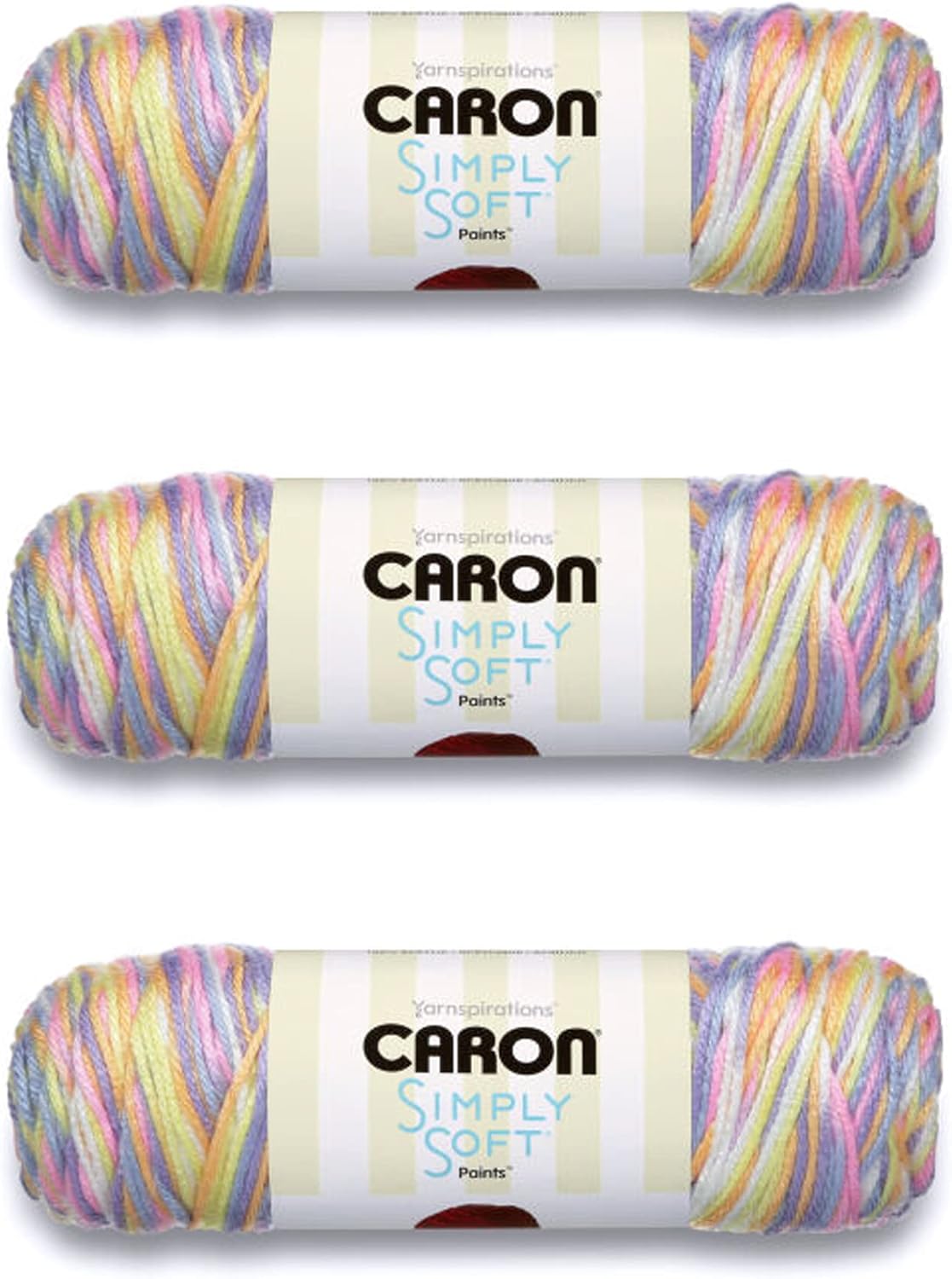 |
Caron Simply Soft Baby Brights Paints Yarn | Made of 100% acrylic, soft, durable, and versatile for all projects. Each ball weighs 141g (5 oz) and measures 215m (235 yards), ideal for medium to large projects. Incredibly smooth texture. |
Check Price |
 |
Lion Brand Yarn Mandala Ombré Yarn | Made of 100% acrylic, offering durability, softness, and easy care. Multicolor design creates smooth tonal transitions for eye-catching projects. Machine washable; use warm water and a low-to-medium dryer setting for convenience. |
Check Price |
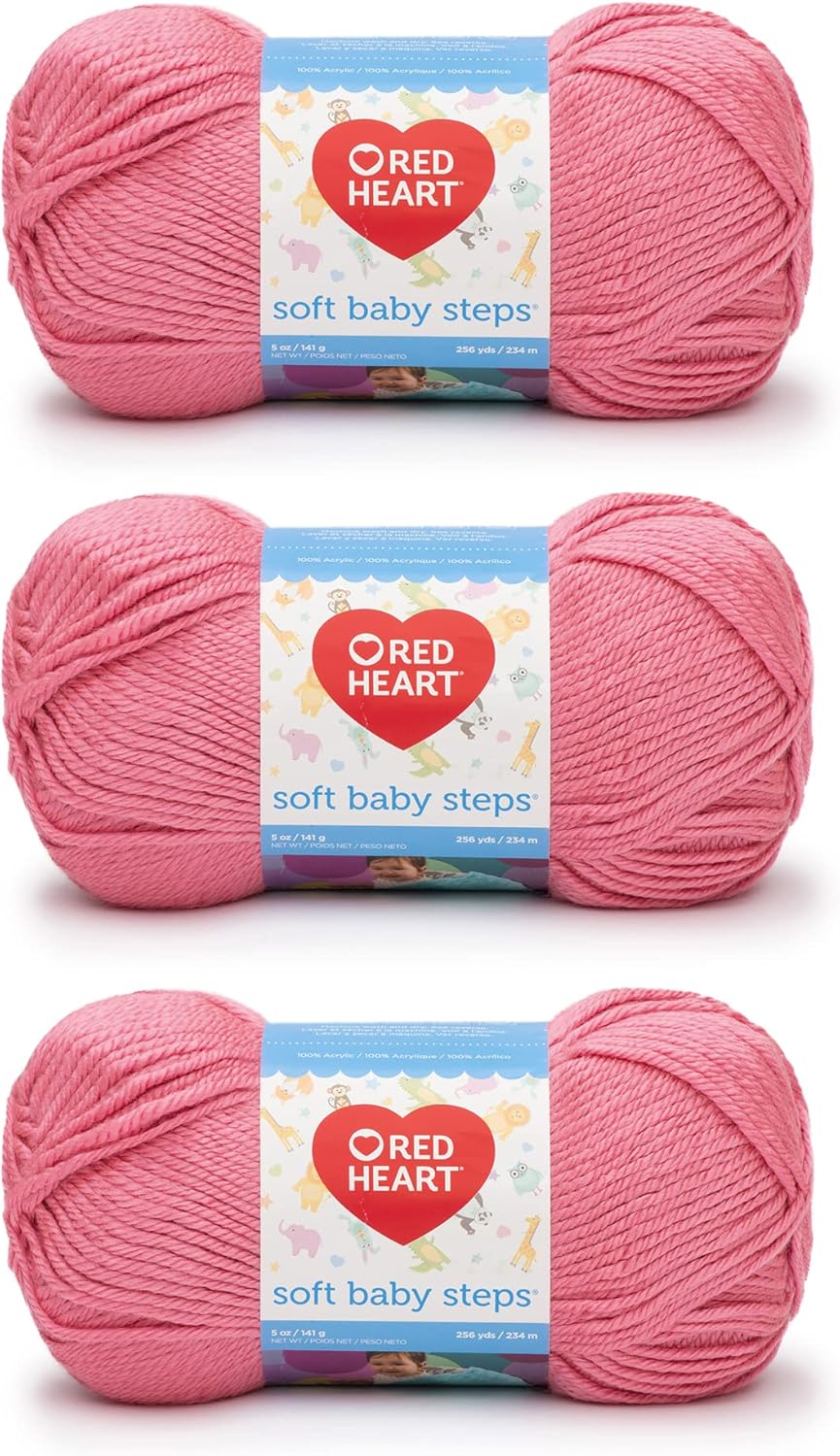 |
Red Heart Soft Baby Steps Strawberry Yarn | Perfect balance of thickness and softness. Gentle texture ideal for garments, hats, blankets, toys, and accessories. Made of 100% acrylic, soft, durable, and easy to care for. |
Check Price |
 |
Cotton to The Core Worsted Weight Yarn for Crocheting | Made of 65% cotton and 35% acrylic, airy and gentle for sensitive or allergy-prone skin. Includes 3 skeins per pack; each skein is 100g with 218 yards, totaling 654 yards. Lofty, floaty finish makes it ideal for spring and summer. |
Check Price |
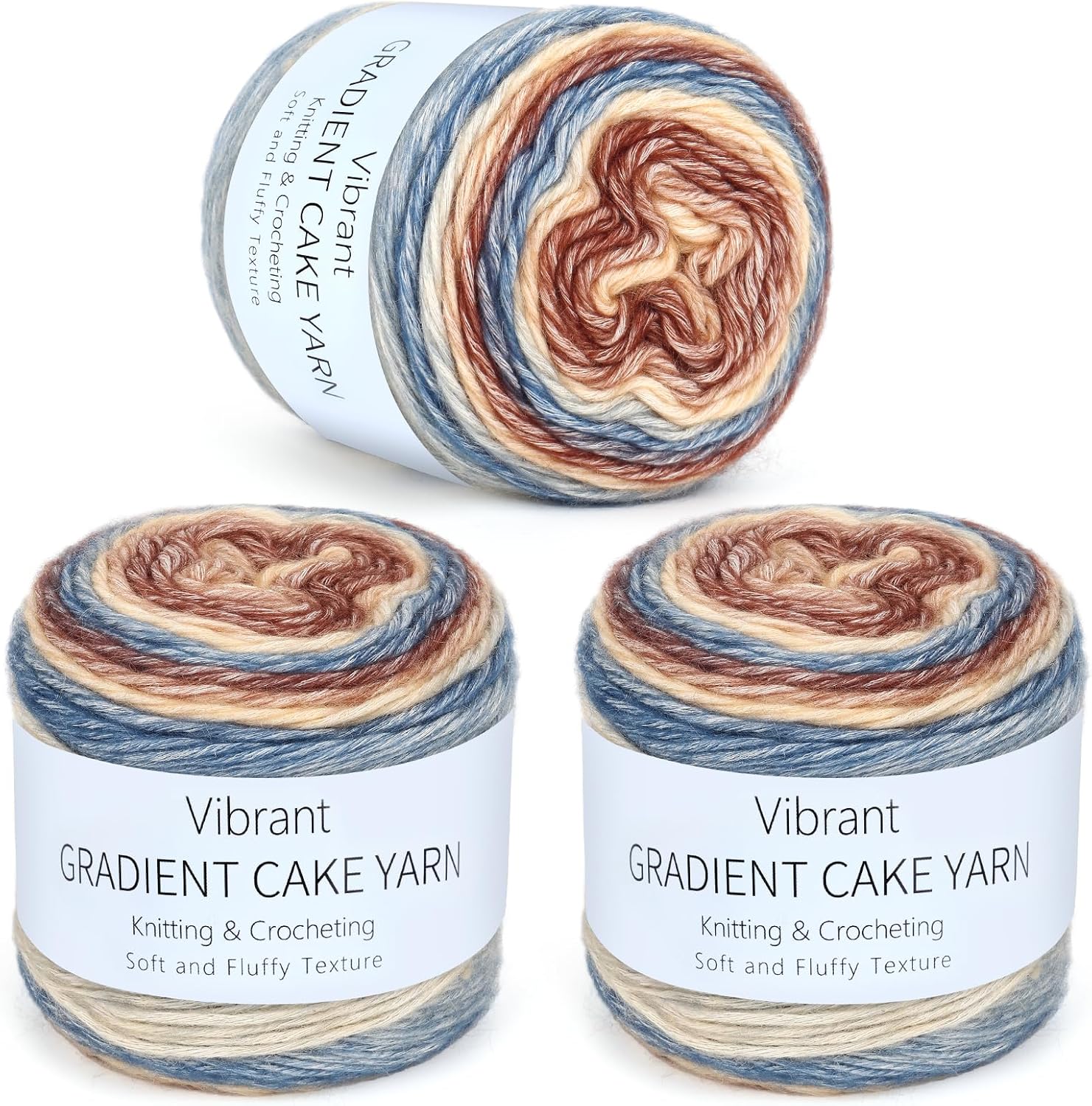 |
Aeelike Cake Yarn | Made of 60% cotton, 30% acrylic, and 10% wool for softness, durability, and comfort. uitable for 2.5–4.0 mm crochet hooks or knitting needles, perfect for airy garments and accessories. Soft, stretchy yarn makes it easy to practice knitting or crocheting with consistent results. |
Check Price |
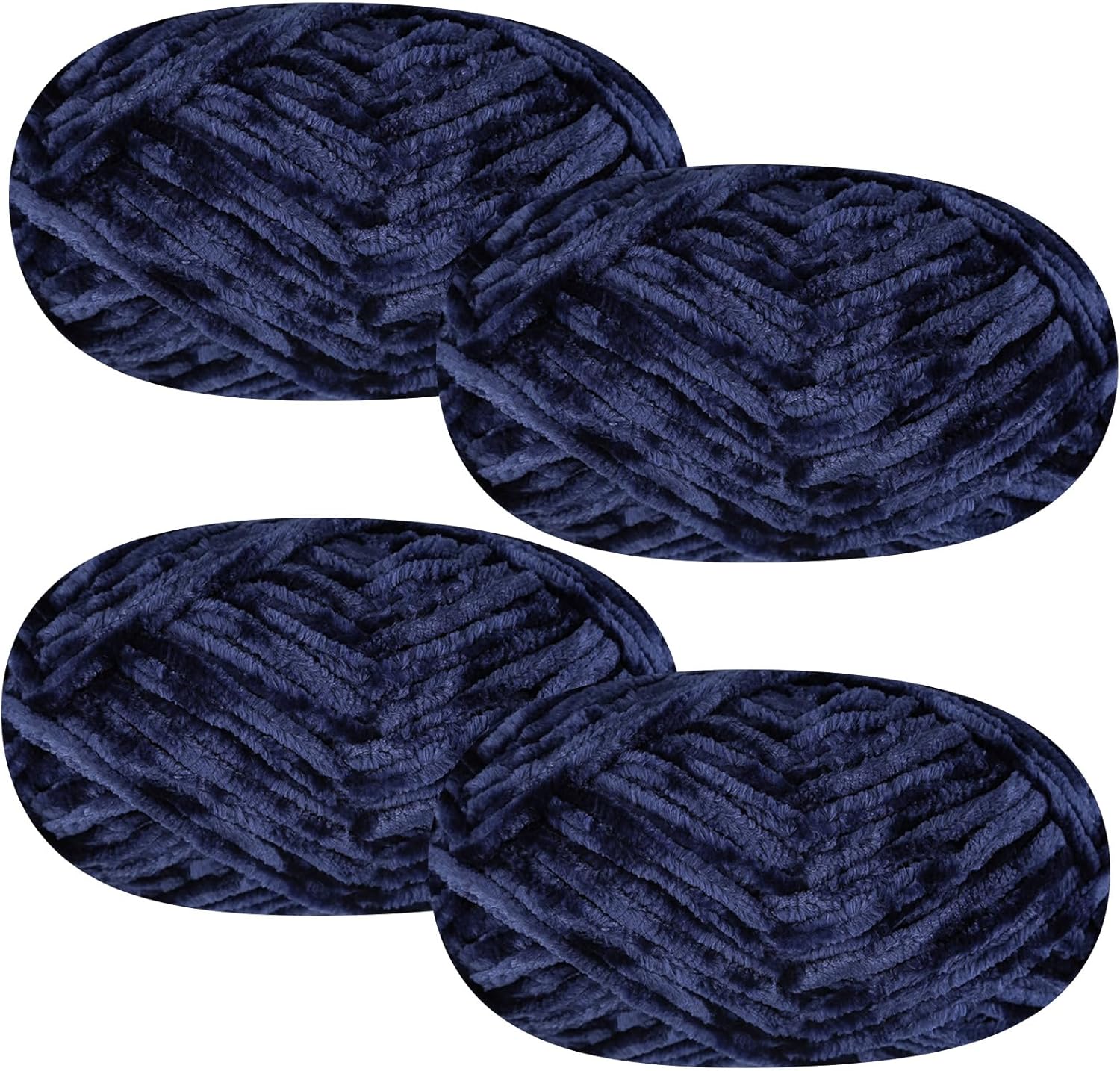 |
SIMEIQI 4 PCS 400g Soft Chenille Velvet Yarn | Made of 100% polyester for durability, softness, and long-lasting performance. Fluffy, thick, and warm with a plush feel similar to velvet, perfect for cozy projects. Resistant to fading, shrinking, or puckering after washing; retains softness and shape. |
Check Price |
What to Check Before You Cast On or Crochet
Read the fiber label before the color name
Fiber content changes how the hat handles warmth, moisture, stretch, washing, and surface texture. In this group, Lily Sugar ‘N Cream is 100% cotton; Caron Simply Soft Paints, Lion Brand Mandala Ombre, and Red Heart Soft Baby Steps are 100% acrylic; Cotton to the Core is a cotton-acrylic blend; Aeelike Cake Yarn combines cotton, acrylic, and wool; and SIMEIQI chenille is polyester.
Those differences matter more than marketing words such as “baby,” “soft,” or “velvet.” A product named for baby projects can still feel different from one person to another. A velvet-like chenille can feel luxurious to the hand yet create a thick fabric that may be too warm or bulky for continuous scalp contact.
Match yarn weight to the pattern and the intended season
Most of the smooth yarns here are medium/worsted weight, which is easy to find patterns for and works well for many knit and crochet beanies. Aeelike is lighter, which can create a thinner fabric and a more gradual drape. SIMEIQI chenille is much thicker and behaves more like a plush novelty yarn.
Do not force a thick yarn into a pattern written for a finer yarn simply because you like the color. The result can become smaller, stiffer, and warmer than expected. If you substitute yarn, make a gauge swatch and adjust hook or needle size only after seeing how the finished fabric feels.
Think about stretch and recovery
A hat needs enough stretch to go on comfortably without clamping the head. Acrylic generally recovers well after stretching, which is one reason it is common in beanies. Cotton has less natural spring, so a pure cotton hat needs thoughtful sizing and a stitch structure that does not become loose and droopy after repeated wear.
A cotton-acrylic blend can split the difference: cotton contributes breathability and a less fuzzy surface, while acrylic can improve recovery and ease of care. Wool is naturally elastic, but wool is not automatically appropriate for a chemo hat because some people find it itchy or react to it.
Avoid rough joins and hidden bulk
Color-changing yarns can reduce the number of manual color joins in a hat, which is useful because each join creates another end to secure. Still, gradients and printed yarns are not automatically better; a smooth solid yarn can be just as comfortable if the finishing is neat.
If you do need to join a new ball, avoid making a large knot and leaving it inside the crown. A secure woven join or carefully managed tail creates a flatter result. The inside should look almost as considered as the outside because that is the surface touching the scalp.
Choose color for the wearer, not for assumptions about illness
There is no requirement that a chemo hat be pale, muted, or tied to a cancer-awareness color. Some people want a quiet neutral, some want a bright red, and some want a dramatic gradient. If you know the recipient, ask what they actually wear.
For donation projects, balanced color choices can be helpful because organizations serve people with different tastes. I would avoid adding beads, hard buttons, metallic decorations, or stiff embellishments unless the receiving program explicitly allows them and they do not touch the scalp.
Lily Sugar ‘N Cream The Original Ombre Yarn – Breathable Cotton With a Firmer Hand
Lily Sugar ‘N Cream The Original is a familiar 100% cotton yarn, and the ombre version is sold in smaller balls than the solid shades. Yarnspirations currently lists the ombres at 57 g/2 oz and 86 m/95 yards, with a #4 worsted/medium weight. That makes it easy to match with many basic hat patterns, although one ball may not be enough for every adult design.
Cotton is appealing for a chemo hat because it is breathable and does not have the fuzzy halo associated with many animal fibers. The American Cancer Society also identifies cotton as one of the softer, cooler materials often used for people dealing with treatment-related hair loss. The trade-off is that Sugar ‘N Cream is a practical craft cotton with a firmer hand than many yarns designed specifically for soft garments.
How the fiber changes the finished hat
A pure cotton hat tends to feel cooler than a thick acrylic or chenille cap. It can work nicely for warmer weather, indoor use, or someone who does not want much insulation. Cotton also absorbs moisture, which can be useful if the wearer tends to feel warm.
However, cotton does not spring back as readily as acrylic or wool. If the ribbing is too loose, the hat can relax over time. If the stitches are too tight, the fabric can feel stiff. I would use a pattern that creates gentle stretch through the stitch structure rather than relying on the fiber itself to provide elasticity.
What the verified specs mean in practice
Yarnspirations lists a knitting gauge of 20 stitches by 26 rows over four inches with 4.5 mm needles and a crochet gauge of 13 single crochets by 14 rows with a 5 mm hook. You do not have to use those exact tools for a hat, but they confirm that this is a standard medium-weight cotton rather than a fine, drapey thread.
The care instructions call for washing colors separately, delicate washing at low temperature, and low-heat tumble drying. Ombre and multicolor shades can behave differently from solids, so I would wash a swatch before making a hat for someone with very sensitive skin and check for both colorfastness and changes in softness.
- % cotton offers a breathable, low-fuzz surface that can be comfortable in warm rooms or warmer seasons.
- The #4 worsted weight works with many straightforward knit and crochet hat patterns.
- The ombre color changes add visual interest without requiring repeated manual color joins.
- Machine-care instructions make it more practical than fibers that require delicate hand washing only.
- The firmer craft-cotton feel may be less comfortable on a highly sensitive bare scalp than a softer garment-focused yarn.
Who It Suits Best
This yarn makes the most sense for a recipient who prefers cotton, runs warm, or wants a breathable hat with clear stitch definition. I would be more confident using it after a swatch test, especially if the hat will be worn directly on a newly sensitive scalp for long periods.
Not Ideal For
It is not my first choice for someone who wants a very stretchy, cloud-soft sleep cap. It also needs more careful sizing because pure cotton has less bounce and recovery than the acrylic options below.
Caron Simply Soft Baby Brights Paints Yarn – Smooth Acrylic With Easy Color Changes
The current Yarnspirations listing places Baby Brights within the Caron Simply Soft Paints line. It is a #4 worsted/medium yarn made from 100% acrylic, with a 141 g/5 oz ball providing 215 m/235 yards. That is enough yardage to make many adult beanie patterns from a single ball, depending on stitch density, size, and brim depth.
Caron Simply Soft is known for a smooth, slightly lustrous surface rather than a rustic or fuzzy texture. For a chemo hat, that matters because fibers that slide smoothly across one another can produce a fabric with fewer prickly ends. Acrylic also provides useful stretch and recovery, helping a hat fit without needing to be tightly sized.
A soft acrylic can be practical when care needs to stay simple
The Baby Brights colorway creates multiple colors without requiring separate skeins and knots. That can keep the inside of the hat cleaner because you can let the yarn do the color work rather than joining a new strand every few rows.
Yarnspirations currently recommends machine washing in cool water and drying flat. That is not as effortless as tumble drying, but it is still manageable for a frequently worn hat. The larger ball also reduces the chance that you will need a mid-project join.
Gauge and fabric feel
The listed gauge is 18 stitches by 24 rows over four inches with 5 mm knitting needles and 13 single crochets by 14 rows with a 5 mm crochet hook. Worked at an appropriate gauge, it can create a flexible fabric rather than a stiff shell.
I would avoid pulling the stitches too tight simply to make the hat look dense. A chemo cap should provide coverage, but it does not need to feel compressed. A moderate gauge with a smooth inner surface is usually more comfortable than an extremely tight fabric.
- Smooth 100% acrylic can create a soft, low-friction surface with good stretch and recovery.
- The 235-yard ball gives enough yarn for many one-skein hat patterns, reducing the need for joins.
- Baby Brights adds multiple colors without extra knots or color-change ends.
- Cool machine washing keeps routine care relatively straightforward.
- Acrylic can feel warmer and less moisture-absorbent than cotton for someone who tends to overheat.
Who It Suits Best
This is a sensible choice for a colorful everyday hat when the recipient likes smooth acrylic and wants a fabric that springs back after stretching. It is also convenient for makers who want a standard worsted weight and enough yardage to finish many adult hats from one ball.
Not Ideal For
It is less suited to someone who strongly prefers natural fibers or needs the coolest possible summer cap. Individual sensitivity still matters, so a swatch against bare skin is worth doing before committing to the full hat.
Lion Brand Yarn Mandala Ombre Yarn – Soft Worsted Acrylic With Long Yardage
Lion Brand Mandala Ombre is another 100% acrylic option, but it comes in a larger 150 g/5.3 oz cake with 315 m/344 yards. Lion Brand lists it as #4 medium/worsted and machine washable and dryable. The substantial yardage gives you room for a deeper brim, a slouchier shape, or a second smaller hat without immediately reaching for another cake.
The ombre construction creates gradual tonal changes instead of abrupt stripes. That can look polished while keeping finishing simple. From a comfort perspective, the most useful feature is not the gradient itself but the smooth acrylic construction and the ability to finish many designs without adding another ball halfway through.
Why the long color transitions can work well on a hat
A small chemo cap will show only part of a large ombre sequence, so the finished look depends on where you begin in the cake. If you want the crown and brim to sit in particular shades, unwind and plan before starting rather than assuming the full gradient will appear within one hat.
The slight sheen and multi-ply construction give the fabric more visual depth than a flat solid acrylic. Still, I would keep the stitch pattern relatively smooth. Color changes already provide interest, so there is little need to add heavy bobbles or raised texture that could create pressure points.
Verified gauge and care
Lion Brand lists a knitting gauge of 20 stitches by 27 rows over four inches with 4.5 mm needles and a crochet gauge of 14 single crochets by 20 rows with a 5.5 mm hook. Those numbers confirm a standard worsted fabric, though every maker should follow the hat pattern’s gauge rather than the ball-band gauge alone.
Machine washing and machine drying can be a genuine advantage for a hat that may need frequent cleaning. Even with easy-care yarn, I would avoid scented detergent, fabric softener, and dryer sheets when making a cap for someone whose skin or sense of smell is especially sensitive.
- The smooth 100% acrylic construction combines softness with useful stretch for fitted beanies.
- A 344-yard cake offers generous yardage and often avoids mid-hat joins.
- Subtle ombre transitions create color interest without extra ends on the inside of the cap.
- Machine washing and drying make ongoing care simple for many households.
- The larger cake and warm acrylic fabric can be more than a recipient needs if the goal is a very lightweight summer hat.
Who It Suits Best
Mandala Ombre suits someone who likes gradient color and wants a soft, easy-care acrylic hat with enough yarn to experiment with brim depth or matching accessories. It is especially useful when you want visual interest without adding decorative texture to the fabric itself.
Not Ideal For
It is not the first choice for a recipient who consistently feels hot in acrylic or who prefers a matte, solid-colored cap. The long gradient can also make exact color placement harder if a very specific stripe layout is important.
Red Heart Soft Baby Steps Strawberry Yarn – Straightforward Easy-Care Acrylic
Red Heart Soft Baby Steps is a #4 worsted/medium 100% acrylic yarn. Yarnspirations lists the solid shades at 141 g/5 oz and 234 m/256 yards, and Strawberry appears among the current color options. It was designed for baby and toddler projects, which explains the emphasis on softness and easy care, although the word “baby” should never replace an actual touch test for a chemo cap.
The fiber is smooth enough for simple ribbed, stockinette, or crochet stitch patterns and has the resilience expected from acrylic. For a fitted cap, that recovery is useful because the brim can stretch over the head and then return closer to its original shape.
Where this yarn is strongest
The biggest practical advantage is predictability. It is a standard worsted yarn, easy to match to common hat patterns, and the solid Strawberry shade keeps the fabric visually simple. If the recipient likes a bright color but does not want a multicolor effect, it gives the project personality without complicating the construction.
Yarnspirations says the yarn can be machine washed in warm water on a gentle cycle and tumble dried on low. That care routine is convenient for a garment likely to be worn and washed repeatedly.
Gauge and stitch choice
The current product page lists 17 knit stitches by 23 rows over four inches with 5 mm needles and 12 single crochets by 15 rows with a 5.5 mm hook. Since this yarn is a little more relaxed at the listed gauges than some others in the group, a hat can feel flexible without needing a very large needle or hook.
For scalp comfort, I would use a smooth stitch pattern and keep the brim soft rather than overly tight. A folded brim adds warmth but also doubles the thickness around the forehead, so a single-layer brim may feel better for indoor or warmer-weather use.
- % acrylic provides good stretch and shape recovery for a fitted cap.
- The solid 256-yard ball is enough for many adult hat patterns without extra joins.
- Machine washing and low-heat tumble drying simplify repeated care.
- The smooth worsted construction works well with plain stitches that keep the inside of the hat flat.
- Like other acrylics, it may feel too warm for a recipient who wants maximum breathability in hot weather.
Who It Suits Best
This yarn suits a maker who wants a simple, bright, easy-care acrylic without the planning required by ombre color changes. It is a practical choice for everyday beanies when the recipient already knows they are comfortable wearing smooth acrylic.
Not Ideal For
It is not ideal for someone who specifically wants cotton or another plant-based fiber. It also should not be assumed safe for every sensitive scalp simply because it is marketed for baby projects.
Cotton to The Core Worsted Weight Yarn for Crocheting – A Cotton-Acrylic Balance
KnitPal Cotton to the Core Worsted combines 65% cotton with 35% acrylic. Ravelry currently lists it at 100 g and 218 yards per skein, and the yarn is described as worsted/aran weight. The blend is important because it brings together qualities that are often useful in a chemo cap: cotton for a less fuzzy, breathable feel and acrylic for added resilience and easier recovery.
For someone who likes the idea of cotton but finds pure craft cotton too firm, this type of blend can be easier to wear. It can also produce a fabric that has more give than 100% cotton while still feeling cooler than a dense all-acrylic hat.
How the blend affects comfort
Cotton fibers can make the surface feel less hairy, which is useful when the hat rests directly on the scalp. Acrylic contributes lightness and helps the fabric bounce back after stretching. That balance can be especially helpful around the brim, where a pure cotton yarn might gradually relax.
Ravelry notes a machine-wash-cold and lay-flat-to-dry approach for this yarn. I would follow the current label on the skein you purchase, because care recommendations can change and retailers sometimes summarize them differently.
Yardage and pattern planning
At 218 yards per 100 g skein, this yarn may complete many adult hats in one skein, but heavily textured crochet or a deep folded brim can use more. If you are making multiple donation hats, buying enough of one dye lot helps keep color consistent.
This is also a good yarn for a simple test swatch because you can immediately compare its hand to the pure cotton Lily option and the smoother acrylics. If the recipient wants a hat that feels breathable but still stretches easily, a cotton-acrylic blend is often the most useful place to start testing.
- The 65% cotton and 35% acrylic blend balances breathability with better stretch recovery than pure cotton.
- A worsted weight works with many familiar knit and crochet beanie patterns.
- The relatively smooth blend can create a low-fuzz fabric that feels tidy against the scalp.
- The 218-yard skein is practical for many one-skein hat designs.
- It still may not feel as silky as some smooth all-acrylic yarns, so a finished swatch test is important for very sensitive skin.
Who It Suits Best
Cotton to the Core is a strong fit for someone who wants a middle ground between cool cotton and springier acrylic. I would consider it for transitional weather, indoor wear, or a recipient who has already said they like cotton-blend hats.
Not Ideal For
It is less suitable if the wearer wants a very plush winter cap or a highly lustrous yarn. It also needs label-specific care rather than assuming every cotton-acrylic blend can go through a hot dryer.
Aeelike Cake Yarn – Lightweight Gradient Color With a Wool Caveat
Aeelike Cake Yarn is noticeably different from the first five options. Current retail information lists the fiber blend as 60% cotton, 30% acrylic, and 10% wool, with each 100 g cake providing about 245 m/267 yards. It is sold as a #3 light-weight yarn and is suggested for roughly 2.5 to 4 mm hooks or needles.
The lighter weight can produce a thinner, less bulky hat, and the cotton-heavy blend gives it a breathable foundation. The gradient color is also attractive for makers who want a hat to look more complex without changing yarns manually. The 10% wool content is the reason I would treat this as a recipient-specific option rather than a default chemo-hat yarn.
Why the wool content deserves attention
Some people find even a small amount of wool comfortable, while others experience itchiness immediately. Treatment can make skin more sensitive than it was before, so a yarn the recipient used to tolerate may not feel the same on a bare scalp.
If you are making a hat for a known person who already wears soft wool blends comfortably, this yarn can be considered after a swatch test. If you are donating anonymously, I would follow the receiving organization’s approved-yarn list rather than guessing that the blend will be accepted.
Light weight and gradient behavior
A #3 yarn can create a thinner cap than standard worsted, which may be helpful for indoor use or warmer weather. It also means you should use a pattern written for the correct weight or recalculate gauge carefully. Simply dropping this yarn into a worsted pattern can make the finished hat too small.
The 267-yard cake gives useful length for a light yarn, and the gradual color changes can look especially good in simple stockinette or basic crochet stitches. A smooth pattern also keeps the inside flatter than heavily textured work.
- The cotton-rich blend can create a lighter and more breathable fabric than many all-acrylic worsted yarns.
- The #3 weight is useful for thinner hats that do not feel bulky indoors.
- A 267-yard cake gives substantial length for a lightweight hat project.
- Gradient color changes create visual interest without repeated yarn joins.
- The 10% wool content may irritate a sensitive scalp and makes this a poor blind choice for an unknown recipient.
Who It Suits Best
Aeelike makes the most sense for a known recipient who likes lightweight hats, enjoys gradient colors, and already knows that a small amount of wool does not bother their skin. It can also work for makers willing to swatch carefully and adjust a pattern for #3 yarn.
Not Ideal For
I would avoid using it automatically for anonymous chemo-hat donations or for someone who has a wool sensitivity, unexplained scalp irritation, or a strong preference for wool-free fibers.
SIMEIQI 4 PCS 400g Soft Chenille Velvet Yarn – Plush Warmth With More Bulk
SIMEIQI’s soft chenille set is the outlier in this group. Current retail listings describe it as 100% polyester chenille, sold in four 100 g balls for a 400 g total. One detailed listing gives roughly 80 m/87 yards per 100 g ball and a thickness of about 6 mm, which places it firmly in plush, bulky territory rather than the smooth worsted feel of the first five options.
Chenille can feel exceptionally soft when stroked with the hand because the surface is made from a dense plush pile. That does not automatically make it the most comfortable chemo-hat yarn. The thickness creates more insulation and a heavier fabric, and chenille stitches can hide structure, making it harder to see exactly where joins and tension changes occur.
Warmth is the main advantage and the main limitation
For a recipient who feels cold and wants a cozy winter cap, plush polyester can be comforting. It creates warmth quickly and can make a simple pattern feel substantial without complex stitches. The fabric can also look smooth because the fuzzy pile hides individual loops.
The same features can be uncomfortable in a heated room, during sleep, or for someone who feels hot during treatment. A thick brim can become especially bulky around the forehead and ears. I would use a single-layer construction and avoid raised decorative stitches.
Chenille needs careful finishing
The plush pile can make knots and joins difficult to inspect. Ends need to be secured carefully so they do not work loose, but bulky knots should not be left against the scalp. Because the yarn is thick, even a small finishing lump can be more noticeable than it would be in a worsted yarn.
The product is listed as machine washable by some retailers, but the exact label on the purchased set should control the care method. Chenille can change appearance if washed too aggressively, so a test swatch is worthwhile before making a gift hat.
- The plush polyester surface feels soft to the hand and can create a cozy winter hat.
- Bulky thickness works up quickly for simple knit or crochet patterns.
- The four-ball set provides enough material for multiple small projects or matching accessories.
- A simple stitch pattern can look full and cushioned without added decorative texture.
- The 6 mm chenille thickness can make a hat too warm, heavy, or lumpy for a sensitive bare scalp, especially for sleep or indoor wear.
Who It Suits Best
This option is most appropriate for a known recipient who specifically wants a plush, warm hat and has already handled the yarn or a similar chenille comfortably. It can be useful in cold weather if the pattern stays simple and the inside is finished very carefully.
Not Ideal For
It would not be my first choice for anonymous donations, warm climates, sleep caps, or anyone who wants a thin and breathable beanie. Knots of Love’s guidance favoring thin, seamless, non-lumpy hats is a useful reminder of why bulky chenille needs extra caution.
Comparing the Seven Yarns
The most useful way to compare these options is not to ask which skein sounds softest in a product description. Think about the finished fabric, the person wearing it, and how the hat will be used.
If breathability is the first priority
Lily Sugar ‘N Cream and Cotton to the Core are the most cotton-forward choices. The pure Lily cotton can feel cool and low-fuzz, but it is firmer and less elastic. Cotton to the Core adds acrylic, giving the fabric more recovery and a softer transition between stretch and structure.
Aeelike also has a high cotton percentage and a lighter yarn weight, but the wool content makes it a more selective choice. If the recipient is wool-sensitive or you do not know their preferences, the cotton or cotton-acrylic options are easier to evaluate.
If smooth stretch and easy recovery matter most
Caron Simply Soft Paints, Lion Brand Mandala Ombre, and Red Heart Soft Baby Steps are all 100% acrylic worsted yarns. Their big advantage is that they can create flexible hats that return toward shape after being stretched over the head.
Caron gives a smooth, slightly shiny multicolor look. Mandala Ombre provides the most yardage and longer tonal transitions. Red Heart Soft Baby Steps offers a straightforward solid-color approach with easy machine care. The best of the three is the one whose finished swatch feels best to the actual recipient.
If the hat is for warmer weather
A thin cotton, cotton blend, or lighter-weight yarn generally makes more sense than thick chenille. Lily can work if the pattern is not overly dense. Cotton to the Core offers a useful blend of airiness and resilience. Aeelike can make a lighter fabric but only if the recipient is comfortable with wool.
Acrylic can still work in warm weather if the hat is light and loosely structured enough for airflow. Fiber is only part of the story; a double-thick brim and dense crochet stitch can make any yarn feel warmer.
If the hat is for cold weather
Mandala Ombre, Caron Simply Soft Paints, and Red Heart Soft Baby Steps can all make warm but manageable beanies without the extreme bulk of chenille. SIMEIQI offers the most plush insulation, but I would reserve it for someone who specifically wants that feel.
A folded brim can add ear warmth without requiring bulky yarn. That is often a better route than making the entire hat from a very thick fiber, because the crown stays lighter.
If color is part of the comfort
Color can matter emotionally even though it does not change the function of the yarn. Caron Baby Brights, Mandala Ombre, Lily Ombre, and Aeelike gradients provide built-in variation. Red Heart Strawberry offers a bright solid. Cotton to the Core is available in multiple solid shades, while SIMEIQI is sold in a range of plush colors through different retailers.
I would never assume that someone undergoing treatment wants a “cheerful” bright color. Ask if you can. A charcoal, navy, cream, soft pink, or vivid rainbow can all be the right choice depending on the person.
If you are making hats for donation
Donation rules come before personal preference. Knots of Love requires yarns from its approved list and asks for thin, seamless, non-lumpy hats that are washed, dried, fragrance-free, smoke-free, and free from pet hair or dander. Other hospitals and charities may have different rules.
Do not buy a large quantity of any yarn for donation until you have checked the current receiving guidelines. A yarn can be pleasant for a private gift and still be outside a charity’s accepted list.
How to Turn a Good Yarn Into a Comfortable Chemo Hat
A soft yarn can still become an uncomfortable hat if the construction is too tight, bulky, or rough inside. The finishing choices matter just as much as the fiber.
1. Start with the recipient or receiving program
If the hat is for one person, ask about favorite fibers, colors, warmth, and whether they prefer a close beanie or a looser cap. If it is for a donation program, read the latest yarn, sizing, washing, and packaging rules before making a swatch.
This first step prevents wasted effort. A beautiful wool-blend hat is not helpful to someone who cannot tolerate wool, and a thick winter cap may go unworn in a warm climate.
2. Make a larger swatch than you normally would
A small gauge square tells you stitch count, but a larger swatch tells you more about drape, stretch, warmth, and surface feel. Work enough fabric to fold and rub against skin.
Wash and dry the swatch the same way the finished hat will be cared for. Some yarns soften after washing; others become flatter, fuzzier, or less elastic. It is better to discover that before you spend hours on the cap.
3. Choose coverage without excessive density
A chemo hat should provide reliable coverage, especially if the wearer does not want the scalp to show through. That does not require squeezing the stitches together as tightly as possible.
Use the pattern’s gauge and inspect the fabric under normal room light. If large gaps appear, move to a slightly smaller hook or needle or choose a more solid stitch pattern. If the fabric stands stiffly instead of draping around the hand, you may have gone too tight.
4. Keep the inside flat
Work in the round when practical, or use a seam that lies flat. Weave ends along existing stitch paths rather than building a thick bundle in one spot. Avoid leaving knots where they will touch the forehead or crown.
If you add a label, decoration, or applique, place it so its backing does not scratch the inside. Better still, keep the scalp-contact side completely smooth.
5. Make the brim secure but gentle
The brim should hold the hat in place without leaving a deep pressure line. Ribbing works well because it stretches, but it can become tight if knitted on needles that are too small or crocheted with heavy tension.
Try to create elasticity through stitch structure rather than simply making the opening smaller. For cotton yarns, this is especially important because the fiber has less natural spring.
6. Recheck size after washing
A hat that fits before washing can relax or tighten afterward. Measure the finished cap after it has been washed and dried according to the yarn label. If it is for a known recipient, let them try it on only after it has reached its final clean state.
For donation programs, use the organization’s own size chart. Do not assume one adult size fits everyone.
7. Finish it as a wearable garment, not just a craft project
Trim stray ends, check every join, remove loose fibers, and inspect the inside with your fingertips. Hold the hat up to light to check coverage and gently stretch the brim to make sure ends stay secure.
I know it is tempting to call the project finished once the last stitch is bound off. The final ten minutes of checking often make the biggest difference to how comfortable the hat feels.
Washing, Finishing, and Gifting With Care
Follow the yarn label first
The seven yarns in this guide do not share one care method. Some can be tumble dried, some are better dried flat, and chenille or blended yarns may have retailer-specific instructions. The current label on the skein should be your primary care reference.
If you are mixing yarns in one hat, use the care method required by the most delicate fiber. A contrast stripe is not worth creating a garment that cannot be washed safely.
Keep fragrance to a minimum
Strong detergent, fabric softener, dryer sheets, perfume, and scented storage products can linger in yarn. People undergoing treatment may have sensitive skin or stronger reactions to smells. For donation programs, fragrance-free finishing may be an explicit requirement.
Use a mild fragrance-free detergent if washing is required, rinse thoroughly, and let the hat dry completely before packaging. Do not spray a finished gift with fragrance to make it smell “fresh.”
Store finished hats cleanly
Keep the hat away from smoke, pet hair, cooking odors, and dusty craft storage. A clean new bag is useful once the hat is fully dry. If you are donating, follow the program’s exact packaging rules rather than inventing your own.
Include care information with a private gift
A small note with fiber content and washing instructions can be more useful than a decorative tag. It helps the recipient or caregiver wash the hat correctly without needing to identify the yarn later.
If the hat contains wool, state that clearly. If it is cotton, acrylic, or polyester, include that too. Clear information makes the gift easier to use and avoids surprises.
Small Choices That Can Make a Chemo Hat Less Comfortable
Trusting the word “soft” without making a swatch
Retail descriptions are useful for identifying fiber and weight, but comfort is personal. A yarn marketed as soft may still feel rough to someone whose scalp has become very sensitive.
Work the yarn first, then wash the swatch, then judge the fabric rather than the loose strand. If the recipient is available, let them touch the swatch before you make the whole hat.
Choosing texture before scalp comfort
Cables, bobbles, popcorn stitches, and thick ridges can look beautiful, but the inside of the hat matters more. A dramatic stitch pattern can create extra bulk or pressure in places where a smooth fabric would sit gently.
Keep texture mostly on the outside or choose a pattern whose reverse side remains flat. Simple does not mean boring; color can provide plenty of visual interest.
Making the brim too tight because hair is absent
A hat needs to stay in place, but it should not compensate for hair loss by clamping harder. Tight pressure around the forehead can quickly make an otherwise soft cap unpleasant.
Use stretch, not compression. A well-sized ribbed brim should expand comfortably and recover without feeling like elastic around the head.
Assuming natural fiber is automatically gentler
Cotton can be comfortable, but some cotton yarns are firm. Wool can be soft, but some people find it itchy. Bamboo can feel silky, but not every bamboo blend behaves the same way. Acrylic can be very smooth or quite scratchy depending on the product.
Choose the specific yarn, not the fiber reputation. The recipient’s skin and the finished swatch are better guides than broad labels such as “natural” or “synthetic.”
Leaving a hard knot inside the crown
A small knot may seem insignificant while you are working, but bare skin can find it immediately. Join yarn as flatly as possible and distribute woven ends through the surrounding stitches.
Run your hand around the inside after finishing. If you can feel a lump with your fingertips, the wearer may feel it more strongly on a sensitive scalp.
Ignoring heat and season
A thick plush hat can be comforting in winter and unbearable in a warm room. A thin cotton cap can be ideal in summer and insufficient outdoors in cold weather.
Ask how and where the hat will be worn. Many people appreciate having more than one weight rather than one “all-purpose” cap.
Buying yarn for a charity before reading its rules
Donation programs may limit fiber types, yarn brands, colors, construction, sizes, washing methods, and packaging. Those rules are there to make distribution safer and easier.
Check them first. If a yarn you already own is not accepted by one organization, you can still use it for another suitable project instead of forcing it into a chemo-cap donation.
Comfort and Health Considerations
A handmade chemo hat is a comfort item, not a treatment. It can provide warmth, coverage, and a sense of care, but it does not prevent or treat scalp problems caused by cancer therapy.
If the wearer develops a rash, sores, broken skin, or persistent pain under a hat, the sensible response is to stop using the irritating item and ask the cancer care team what is appropriate. Do not try to solve a medical skin problem by switching yarn repeatedly without guidance.
The safest general approach is simple: soft fabric, smooth construction, clean finishing, no unnecessary fragrance, and respect for the recipient’s own preferences.
Frequently Asked Questions
What yarn is usually most comfortable for chemo hats?
Smooth cotton, cotton blends, and soft acrylics are common starting points because they can be made into light, flexible fabrics. The American Cancer Society specifically notes soft materials such as cotton and bamboo for headwear used after treatment-related hair loss. The finished swatch and the recipient’s own preference matter more than the fiber name alone.
Is acrylic yarn okay for a chemo hat?
Yes, a smooth acrylic can work very well for many people and offers useful stretch and easy care. Caron Simply Soft Paints, Lion Brand Mandala Ombre, and Red Heart Soft Baby Steps are all verified 100% acrylic options in this group. If the recipient feels hot easily, compare an acrylic swatch with cotton or a cotton blend before choosing.
Is cotton always better than acrylic?
No. Cotton is breathable and low-fuzz, but some pure cotton yarns feel firm and have less stretch recovery. Acrylic can be smoother and springier, but may feel warmer. A cotton-acrylic blend can be a useful compromise.
Should I use wool in a chemo hat?
Only when you know the recipient tolerates it well or the receiving program explicitly approves the yarn. Aeelike Cake Yarn contains 10% wool, so I would not use it as a blind choice for an unknown recipient. Some people find wool comfortable; others experience itchiness quickly.
Is chenille good for chemo hats?
Chenille can feel plush and warm, but thick chenille also creates more bulk and may be too hot or lumpy for a sensitive scalp. The SIMEIQI yarn in this guide is a thick polyester chenille, so I would reserve it for a known recipient who specifically wants a cozy winter hat rather than treating it as an all-purpose choice.
How tight should a chemo hat be?
It should be secure enough not to slide but gentle enough that the brim does not create painful pressure. Use the pattern gauge, check stretch after washing, and avoid deliberately making the opening undersized. For donation hats, use the receiving organization’s current size chart.
Do chemo hats need to be seamless?
A seamless construction is often more comfortable because there is no raised ridge against the scalp. Knots of Love specifically favors thin, seamless, non-lumpy beanies. If your pattern does have a seam, make it as flat and smooth as possible.
Should I wash a chemo hat before gifting it?
Follow the yarn label and the recipient or charity’s requirements. Donation programs may require washing, drying, fragrance-free handling, and clean packaging. For a private gift, washing the hat before use can remove workshop dust or handling residue, but it should be done with a method appropriate for the yarn.
Choosing Yarn With the Wearer in Mind
The best yarn for chemo hats is not simply the softest skein on a shelf. It is the yarn that produces a smooth, wearable fabric for the specific person who will put that hat on a bare or sensitive scalp.
Lily Sugar ‘N Cream offers breathable cotton but needs a careful softness test. Caron Simply Soft Paints, Lion Brand Mandala Ombre, and Red Heart Soft Baby Steps give you smooth acrylic choices with good stretch and practical care. Cotton to the Core balances cotton breathability with acrylic recovery. Aeelike offers a lighter gradient fabric but contains wool, while SIMEIQI chenille is best treated as a warm, plush specialty option rather than a default choice.
If I had to reduce the whole decision to one rule, it would be this: make a swatch, wash it, feel the finished fabric, and choose for the wearer rather than for the label. If you are making a donation, check the receiving program’s current yarn and finishing rules before buying supplies. If you are making a hat for someone you know, ask what feels good to them.
A thoughtful chemo hat does not need complicated stitches or expensive yarn. It needs comfort, clean finishing, and the kind of care that shows up in the details the wearer can actually feel.