Extra hangers rarely arrive as a neat matching set. Wire ones return from the dry cleaner, plastic ones come home with new clothes, and wooden hangers slowly collect at the back of the wardrobe. A few remain useful, while others bend, lose their clips, or stop fitting the clothes you actually wear.
That uneven collection can still solve practical problems. A wire hanger can support a lightweight collection bag, a broken plastic hanger can organise hats and scarves, and an ordinary smooth hanger can become much more dependable with a simple non-slip surface. Wooden hangers may need only cleaning and paint before they feel worth keeping again.
I’m Stella Eve Louise, and I don’t think every hanger needs to become wall art. The best reuse is often something that works quietly inside a cupboard, laundry room, craft corner, or temporary cleaning setup. A project should respect the strength of the original hanger instead of asking thin wire or brittle plastic to carry more than it safely can.
Begin by sorting the hangers by material and condition. Once the damaged pieces have been separated from the sound ones, it becomes much easier to choose a realistic second use.
Sort and Check the Hangers First
Place wire, plastic, wooden, padded, and clip hangers into separate groups. They behave differently when bent, drilled, painted, wrapped, or placed under weight, so one method will not suit the complete pile.
Check each hanger for:
· Cracks near the hook or shoulder
· Sharp wire ends
· Rust or flaking coating
· Loose swivel hooks
· Splintered wooden edges
· Missing clips or rubber grips
· A warped lower bar
· Weak glued joints
· Sticky shop labels
· Brittle plastic that turns pale when flexed
Do not bend brittle plastic or badly rusted wire. Wear eye protection and gloves when cutting, twisting, filing, or opening metal hangers.
A hanger that cannot safely hold clothing may still supply one sound part, such as a hook, clip, wooden bar, or small section of wire. Keep those pieces only when their new purpose is clear. Saving every fragment can turn a reuse project into a different kind of clutter.
Clean hangers before decorating them. Wipe plastic with warm soapy water, remove adhesive, and let it dry. Sand rough wooden edges lightly and remove dust before painting. Wire hangers should be checked carefully where the neck twists around the hook because that area often hides sharp ends.
Bend a Wire Hanger Into a Temporary Bag Holder
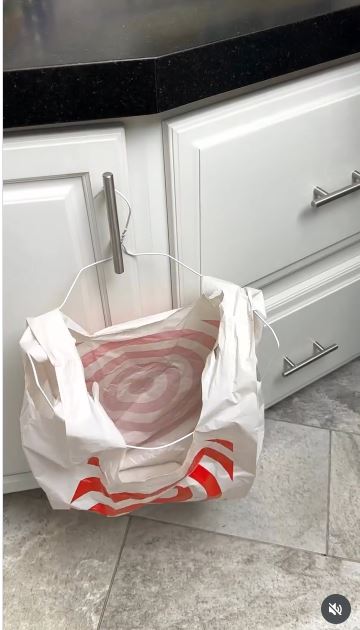
A thin wire hanger can become a temporary frame for an open bag. The hook provides the hanging point, while the two widened sides support the bag handles and keep the opening accessible.
This is useful while peeling vegetables, sorting lightweight recycling, clearing craft scraps, or packing clothing for donation. It is not a replacement for a strong bin and should never be loaded with glass, liquid, sharp waste, or anything heavy enough to straighten the wire.
Materials and Tools
· Sound uncoated or coated wire hanger
· Work gloves
· Eye protection
· Two pairs of pliers
· Reusable bag with handles
· Small file for any rough wire
· Optional rubber caps or strong tape
Shape the Hanging Bag Frame
1. Inspect the wire. Check the twisted neck and both shoulders for rust, splits, or sharp coating. Set the hanger aside if the wire feels unusually soft, badly corroded, or likely to snap while bending.
2. Open the triangular shape. Hold the hanger with pliers and pull the lower bar downward while widening the shoulders. Work in small adjustments so the two sides remain reasonably even instead of twisting the complete frame to one side.
3. Create two bag supports. Bend the side sections inward or upward so each bag handle has a stable resting point. Keep the ends smooth and rounded, then cover any exposed wire that could catch or puncture the bag.
4. Hang and test it empty. Place the hook over a cupboard handle, sturdy knob, or another suitable support. Add the empty bag and check that its handles cannot slide together and close the opening.
5. Use it only for light contents. Add scraps gradually and remove the bag before it becomes heavy. Unhook the frame after the task so it does not remain where someone could catch clothing or skin on the wire.
I’d keep this as a temporary helper rather than a permanent kitchen bin. The simple frame is useful because it appears when needed and goes back into storage before it becomes another object everyone walks around.
A sturdier variation can use two wire hangers joined side by side, but only for light material. If the job regularly involves weight, choose a proper rigid support instead of relying on thin clothing wire.
Repair a Broken Hanger as a Hat and Scarf Organiser
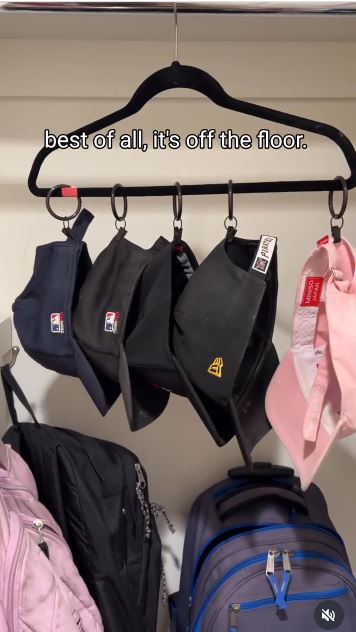
A crack in the lower bar can create a useful opening for adding curtain rings. Once the rings are in place, the broken section can be aligned and wrapped so the hanger becomes an organiser rather than returning to heavy clothing duty.
Rings with clips can hold caps, gloves, fabric headbands, or light accessories. Plain rings can carry scarves, belts, and small bag straps. The repaired hanger should remain a storage frame, because tape alone may not restore the strength needed for a heavy coat or several pairs of trousers.
Materials and Tools
· Plastic hanger with one controlled break in the lower bar
· Curtain or shower rings
· Clip rings when organising hats
· Strong fabric or repair tape
· Scissors
· Cleaning cloth
· Optional narrow ribbon for covering the repair
Turn the Damage Into an Access Point
1. Check the broken area. Use only a hanger with a clean break away from the hook and shoulders. Discard it if several cracks spread through the frame or if the plastic forms sharp fragments when touched.
2. Slide on the rings. Open the broken lower bar just enough to add the required number of rings. Leave space between them so clips can open easily and scarves do not become compressed into one thick bundle.
3. Realign the lower bar. Bring the broken ends together without forcing them to overlap. If a piece is missing, avoid creating a large tape bridge that bends under the rings; choose another hanger with a closer fit.
4. Wrap the repair securely. Apply repair tape around the break and extend it onto sound plastic on both sides. Smooth each layer firmly, then add a second direction of wrapping if the rings pull against the repair.
5. Load the organiser lightly. Hang one accessory at a time and check the hook, shoulders, and repaired bar. Keep heavy handbags, metal belts, and dense winter items on a purpose-made organiser.
For me, the rings are more useful when they are not packed tightly. A small gap makes it easier to remove one scarf without bringing half the cupboard with it.
An intact hanger can use the same idea if you choose rings that open. That version needs no tape and may last longer, while the broken hanger can be reserved for another low-stress craft or local recycling route.
Match Each Hanger Material to a Sensible New Use
Wire Hangers
Wire is easy to reshape but can create sharp points and spring back while being worked. Use it for light frames, temporary holders, wreath bases, or plant supports only after covering exposed ends and checking the new shape carefully.
Plastic Hangers
Sound plastic hangers are useful for non-slip upgrades and lightweight organisers. Brittle plastic should not be drilled or bent. Once whitening, cracking, or splitting appears, choose a low-stress use or the appropriate recycling route.
Wooden Hangers
Wooden hangers suit painting, labelling, wall display, and long-term clothing storage. Repair loose hardware properly before loading them, and sand every surface that may touch fabric.
Clip and Trouser Hangers
Removable clips can seal lightweight packets, organise gloves, display cards, or replace missing clips on another hanger. Check their springs before trusting them with anything breakable or valuable.
Common Mistakes to Avoid
Using a Weak Hanger for a Heavy Project
A hanger designed for one shirt should not suddenly support a loaded storage bag, large plant, or several heavy accessories. Match the new load to the original material and test it gradually.
Ignoring Sharp Wire Ends
Cut and twisted wire may look smooth from a distance while still catching skin and fabric. File rough points and cover them with a durable cap or wrap before the finished item is used.
Bending Brittle Plastic
Old plastic can crack suddenly and send a sharp fragment away from the work area. If the hanger turns pale or creaks when lightly flexed, do not continue bending it.
Treating Tape as a Structural Repair
Tape can hold a light organiser together, but it does not restore the original strength of a broken hanger. Keep the repaired piece away from heavy clothing and check the wrap regularly.
Overloading Curtain Rings
Many scarves or belts can become heavier than expected. Spread accessories across more than one organiser and keep the repair, lower bar, and hook within a comfortable load.
Letting Rubber Bands Age Against Fabric
Rubber can harden, become sticky, or leave residue. Inspect the bands and remove them before long-term storage of valuable garments.
Making a Long Chain of Hangers
A can tab may connect two light hangers, but several linked hangers place more weight and movement on one hook and one wardrobe position. Limit the chain to a simple pair.
Painting Over Dirt or Glossy Residue
Paint may peel when the hanger remains dusty, oily, or highly polished. Clean, lightly prepare, and test the surface before covering the full hanger.
Decorating the Areas That Touch Clothing
Thick beads, rough twine, raised paint, and exposed glue can snag fabric. Keep shoulder surfaces smooth and test them with an ordinary cloth before using delicate clothes.
Saving More Hangers Than You Need
Reuse should reduce clutter, not organise an ever-growing collection of empty hangers. Keep the sound pieces with a planned purpose and donate or recycle the rest where possible.
Frequently Asked Questions
What is the easiest way to reuse an old hanger?
Adding clean rubber bands to the shoulders of a smooth hanger is one of the simplest options. It improves grip without cutting, bending, or permanently changing the hanger.
Can a broken plastic hanger be repaired for clothing?
A taped break may be suitable for a light accessory organiser, but it should not be trusted with heavy garments. Replace or properly recycle a hanger when the hook, shoulders, or main frame are cracked.
Are wire hangers safe for craft projects?
They can be useful when the wire is sound and the project remains lightweight. Wear eye protection and gloves while reshaping them, and cover every cut or exposed end.
Can I spray-paint plastic hangers?
Some paints adhere to properly cleaned and prepared plastic, but not every hanger material reacts the same way. Test one small area, work in a ventilated place, and keep paint away from moving hooks and garment-contact surfaces.
How many accessories can I place on a ring hanger?
There is no reliable number because scarf, belt, and hat weights vary. Add items gradually and stop when the lower bar bends, the hook tilts, or the repaired section begins to pull.
Can I use a can tab with expensive clothing?
A smooth purpose-made connector is safer for delicate garments. A reused tab should be cleaned, filed, and kept away from fabric that could snag or mark easily.
What should I do with hangers I cannot reuse?
Offer sound matching hangers to friends, charity shops, community groups, or local businesses that accept them. Wire hangers may be accepted by some dry cleaners or scrap-metal routes, while plastic recycling rules vary by area.
Give Each Hanger One Clear Second Job
Learning how to reuse hangers begins by separating sound pieces from clutter. Wire can hold a light temporary bag, a controlled break can support accessory rings, and smooth shoulders may need only two gripping bands.
Match the reuse to the material. Cover wire ends, avoid bending brittle plastic, keep wood smooth, and use repaired hangers only for light loads.
Start with one hanger and one problem. Improve a slippery hanger, organise scarves, or paint a wooden one, then test it before adding valuable clothing.
Which hanger would you reuse first: the wire one ready to hold a temporary bag, the cracked plastic one suited to scarf rings, or the wooden hanger waiting for a quiet coat of paint?