Scandinavian living is often reduced to pale timber, white walls, and a candle placed beside a wool blanket. Those details can be lovely, but the deeper idea is more practical. A calm home comes from useful objects, balanced routines, natural light, time outdoors, and enough empty space for everyday life to happen without constant friction.
What interests me most is how these principles work with things we already own. I don’t think a home becomes more Nordic because every colourful object disappears or because an entire new furniture set arrives.
The strongest changes are usually quieter: clearing one crowded surface, repairing a wooden chair, placing a lamp where it softens the evening, or giving coffee a proper pause instead of drinking it beside an overflowing inbox.
Scandinavian countries have different cultures, climates, and traditions, so there is no single correct way to copy them. A better approach is to borrow the habits that support comfort, moderation, connection, and long-term use, then adapt them to your own home and weather.
Begin With What You Already Have
A Scandinavian-inspired reset should not begin with a shopping list. Walk through the home and notice where daily life feels unnecessarily difficult. Look for blocked light, duplicate objects, uncomfortable seating, cluttered transition areas, broken items waiting for a small repair, and rooms that rely on one harsh ceiling light.
Choose one problem that affects you often. Work with sound materials, clean before changing, and measure before moving furniture. If you plan to repair, paint, drill, or sand, use the right protective equipment and check that the object remains structurally safe. The aim is not a rapid makeover. It is a home that becomes easier to maintain after the work is finished.
· Photograph the room before changing it
· Set aside a basket for items that belong elsewhere
· Measure furniture and walking space
· Clean windows, lamps, and surfaces first
· Repair one sound object before replacing it
· Choose a stopping point so the room does not become another unfinished project
1. Let Natural Light Set the Daily Rhythm
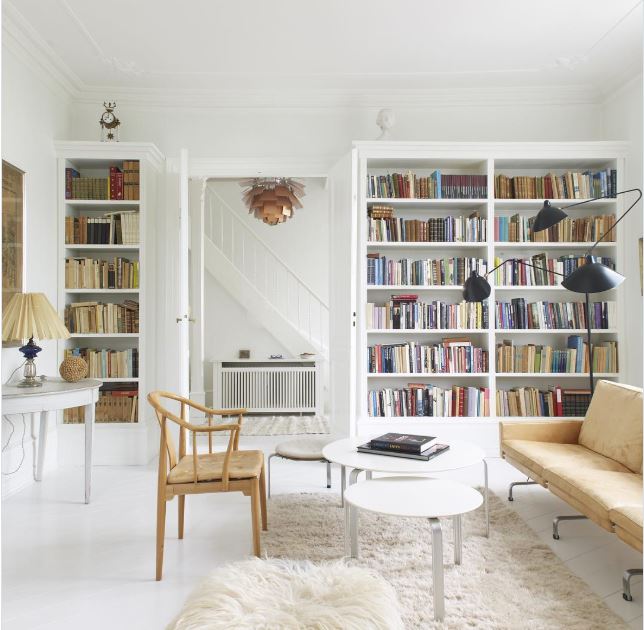
Long, dark winters have made light especially important in Nordic homes. That does not mean every wall must be pure white. It means windows, mirrors, furniture placement, and surface choices work together so available daylight can reach farther into the room.
I would begin by standing in the room during the brightest part of the day. Notice what blocks the light. A tall shelf beside a window, thick curtains, or a crowded sill may make the room feel dimmer than its size suggests. Cleaning the glass and moving one object can sometimes help more than buying another lamp.
What Helps the Room Feel Brighter
· Washable light curtains or blinds that open fully
· A mirror placed where it reflects daylight rather than glare
· Low or open furniture near windows
· Pale or medium-toned surfaces with a matte finish
· A clear windowsill with only one or two useful objects
Use the Light You Already Have
1. Watch the room for one day. Note when direct and indirect light enters, then decide which activities suit each area. A reading chair may work better near the afternoon light than against the darkest wall.
2. Remove the main obstruction. Open the curtains fully, clear the sill, and move tall furniture away from the window edge. Then step back before changing anything else because one adjustment can alter the whole room.
3. Add reflection carefully. Use a mirror, pale artwork, or a lighter textile to return light into the room. Avoid placing a mirror where it reflects harsh sun directly into seated eye level.
4. Plan for the evening. Daylight is only half the rhythm. Add a small task lamp or shaded table lamp where the room becomes gloomy first, rather than relying on one bright ceiling light.
The part I like is that this change can cost nothing. I know it can feel tempting to shop for a brighter look, but moving a shelf and washing a window may reveal that the room already has what it needs.
In a hot climate, use breathable curtains, blinds, or exterior shade so you can control heat without sealing the room in darkness. The goal is comfortable light, not maximum brightness at every hour.
2. Clear Visual Clutter Without Emptying the Room
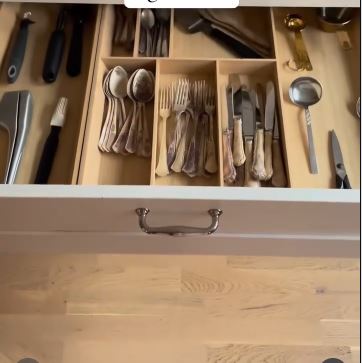
Scandinavian simplicity is not the same as owning almost nothing. It is closer to making each room easy to use. Visual clutter often appears when objects have no clear home, several half-finished tasks share one surface, or storage sits too far from the place where an item is used.
Rather than emptying every cupboard, choose one area that repeatedly becomes messy. A hallway table, kitchen counter, or bedside surface is enough. Keep what belongs there, return misplaced items, and remove anything that only creates another job.
Useful Supplies for a Small Reset
· One basket for items that belong elsewhere
· A cloth for cleaning the cleared surface
· A tray for small daily essentials
· A recycling bag for paper and packaging
· A simple label only where it genuinely saves time
Reset One Surface in Ten Minutes
1. Name the surface’s job. Decide whether it is for preparing food, dropping keys, reading, or getting ready for bed. Objects that do not support that job need another place.
2. Group before deciding. Put rubbish, items for other rooms, and objects that belong on the surface into three groups. This prevents constant walking away and losing focus.
3. Return only the useful pieces. Clean the surface, then replace the smallest number of objects needed for its daily purpose. Leave some clear space so the next task does not begin in a crowded area.
4. Create an easy return point. Place a tray, hook, drawer divider, or basket where it will catch the items that usually wander. Then repeat the reset briefly at the same time each day.
I don’t think sentimental objects are the problem. Five unrelated items competing for attention can feel noisy, while one photograph or handmade bowl can give the surface character without making it difficult to use.
If you share a home, give each person one small landing zone rather than forcing everyone into a system they cannot maintain. Calm organisation should reduce arguments, not create a new household rulebook.
3. Choose Natural Materials You Can Touch and Repair
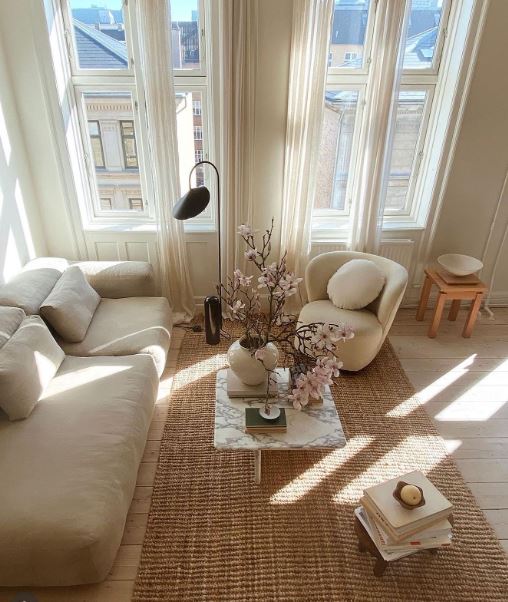
Natural materials matter in Scandinavian interiors because they age visibly and often remain repairable. Scratched timber can be sanded, wool can be mended, linen softens with use, and a ceramic bowl may still feel good after years on the same table.
There is no need to replace every synthetic object. Instead, notice where a natural material would improve comfort or durability. A wooden chopping board, wool cushion cover, linen tablecloth, or secondhand rattan basket can introduce texture gradually.
Materials Worth Looking for Secondhand
· Solid wood rather than swollen or damaged board
· Washable linen or cotton textiles
· Wool blankets with repairable small holes
· Ceramic and glass pieces without cracks
· Woven baskets with strong handles and bases
Add Texture Without Starting Over
1. Check what is already present. Identify the room’s dominant hard surfaces, such as glass, laminate, or painted walls. Choose one natural texture that will make the room more comfortable rather than simply more decorated.
2. Inspect before buying. Check joints, fibres, odours, chips, and signs of pests or moisture. A lower price is not useful when the object needs more repair than you can realistically complete.
3. Clean according to the material. Avoid soaking wood, overheating wool, or using harsh products on old finishes. Let everything dry fully before placing it in the room.
4. Repeat one material quietly. Use the same timber tone, woven fibre, or linen texture in two or three places. Repetition creates connection without requiring a matching set.
For me, the grain, weave, and small signs of age are part of the appeal. I’d rather keep one sound wooden stool with a repaired mark than hide it under a finish that makes it look newly manufactured.
Where wool feels too warm, choose cotton, linen, cane, bamboo, or clay. Scandinavian principles can adapt to local materials, which is usually more sensible than importing a cold-climate look.
4. Build Warmth With Texture Rather Than Excess Decoration
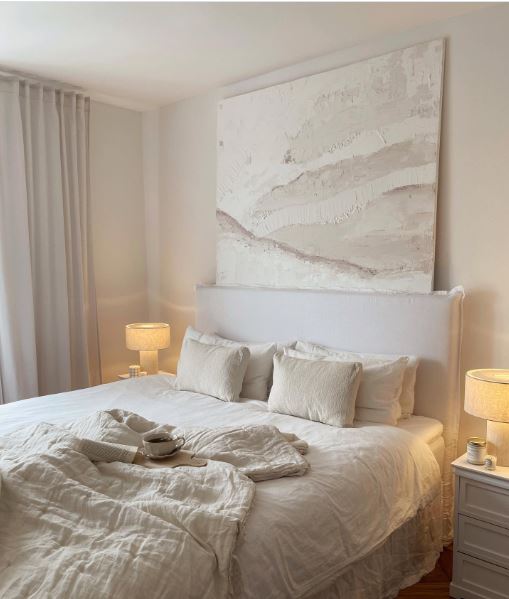
A minimalist room can still feel cold when every surface is hard, smooth, and evenly lit. Scandinavian warmth usually comes from contrast: a rough rug beside a smooth floor, linen against timber, or a knitted throw folded over a clean-lined chair.
The useful question is not how many soft furnishings the room can hold. It is where comfort is missing. A chair may need one cushion, a bedside floor may need a small rug, or a draughty sofa may benefit from one washable blanket.
Comfort Layers That Earn Their Place
· A washable throw used regularly
· Cushion covers in two related textures
· A rug sized for the actual seating area
· Curtains that soften sound and glare
· A warm lamp shade rather than exposed harsh light
Layer the Room in a Controlled Way
1. Start with the coldest point. Sit in the room and notice where comfort drops. It may be a bare floor, an echoing wall, a hard chair, or a dark corner.
2. Add one useful layer. Choose a rug, textile, or lamp that solves that specific problem. Keep the colour close to the existing palette so the texture does most of the work.
3. Balance softness with clear space. Fold blankets, limit cushions, and leave part of the floor or furniture visible. Too many layers can make cleaning difficult and hide the shape of the room.
4. Live with it before adding more. Use the room for several days. If it feels warmer and easier, stop. If one area still feels unfinished, add a second small layer rather than filling every surface.
I know cushions are easy to buy, but they are also easy to move from chair to chair because nobody wants to sit on them. Comfort should remain available without beginning each evening with furniture administration.
In warm weather, use loose-weave cotton, linen, thin mats, and light curtains instead of heavy wool. Texture can feel relaxed without trapping heat.
5. Keep the Palette Quiet but Never Lifeless
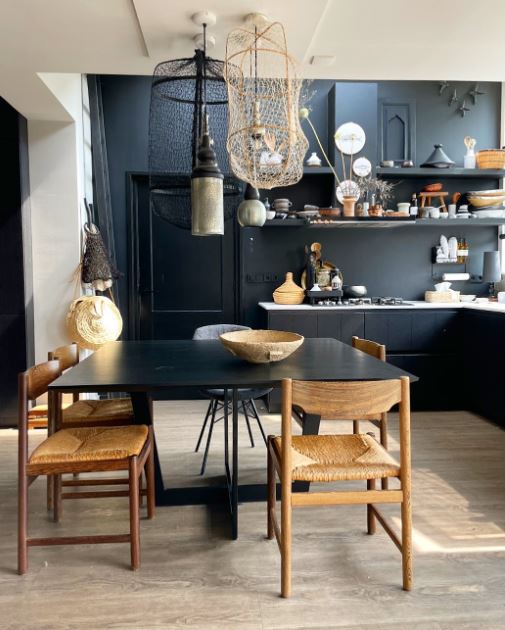
White, grey, beige, and black appear often in Scandinavian design, but successful rooms rarely rely on flat white alone. Warm timber, aged leather, plants, artwork, and earthy colours prevent the space from feeling clinical.
Choose a small colour family based on what you already have. The floor, largest sofa, cabinets, or curtains usually set the direction. Then let one or two quieter accents connect the smaller objects.
A Simple Colour Check
· One main neutral already present in the room
· A second warmer or darker supporting neutral
· One natural material tone such as wood or rattan
· One restrained accent from art, plants, or textiles
· Repeated metal finishes where possible
Create Balance From Existing Colours
1. Photograph the room in daylight. A photograph makes scattered colours easier to notice. Identify the largest colour areas before focusing on small accessories.
2. Remove one competing accent. Temporarily take out the object that clashes most strongly. If the room immediately feels calmer, relocate it rather than forcing another item to match it.
3. Repeat the useful tones. Echo the timber, textile, or accent colour in one or two smaller places. Keep the repeats subtle so the room does not look themed.
4. Protect personal colour. Keep the artwork, books, ceramics, or textiles that matter to you. A quiet background can support colourful personal objects instead of deleting them.
I don’t think beige is a personality. A calm palette should make meaningful objects easier to see, not remove every sign that someone actually lives in the room.
Deep green, rust, muted blue, ochre, and soft red can all work within a Scandinavian-inspired home. Limit the number of competing tones rather than limiting yourself to colourless rooms.
6. Buy Fewer Things and Keep Them Longer
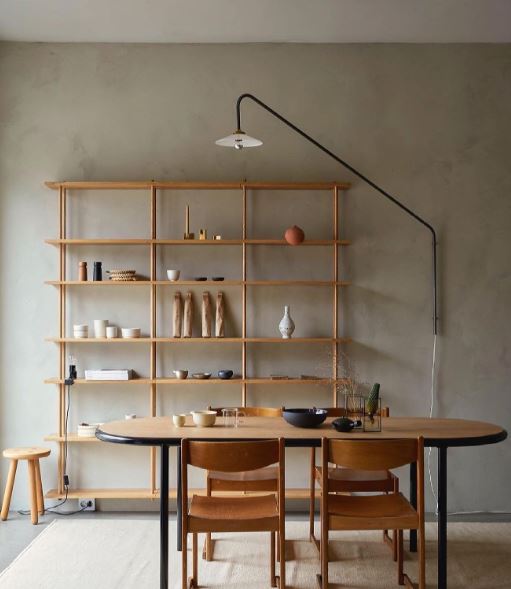
Scandinavian living is closely connected with function and durability. A chair should be comfortable, a table should fit the room, and storage should make daily life easier. A fashionable object that cannot survive normal use creates more work than calm.
Before buying, I would ask where the item will go, what problem it solves, and what will leave the room when it arrives. That final question is useful because homes become crowded through addition, even when each individual purchase looks simple.
Questions to Ask Before Bringing Something Home
· Does it solve a repeated problem?
· Will it fit through the door and around the room?
· Can its surface, cover, or hardware be repaired?
· Does it work with at least two existing objects?
· Would a secondhand version perform the same job?
Choose for Long-Term Use
1. Measure the real space. Mark the item’s size on the floor with paper or tape. Include the space needed to open drawers, pull out chairs, and walk past safely.
2. Check construction and care. Look at joints, fabric covers, fixings, and cleaning needs. A simple piece that can be maintained is often more useful than a delicate statement item.
3. Pause before paying. Keep the dimensions and purpose written down, then wait when the purchase is not urgent. The pause helps separate a genuine need from a temporary mood.
4. Remove or repurpose responsibly. Sell, donate, repair, or adapt the object being replaced. Avoid creating a hidden storage problem in another room.
The most Scandinavian-looking purchase is not automatically the most Scandinavian choice. Keeping a sturdy table, repairing its finish, and using it for another decade may fit the principle better than replacing it with a trendier one.
Renters and students can focus on portable pieces such as lamps, stools, baskets, textiles, and small tables. Choose objects that can serve more than one room when circumstances change.
7. Make Fika a Real Pause, Not Coffee at Your Desk
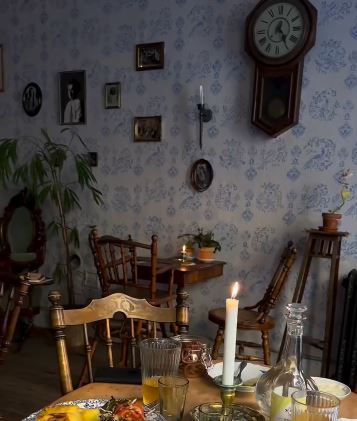
Fika is often translated as a coffee break, but the useful part is the pause itself. It can be shared with another person or enjoyed alone, and it does not need an elaborate table. A drink, something small to eat, and ten minutes away from work are enough.
I would treat the pause as a boundary rather than another task. Put the phone aside, sit somewhere other than the working chair, and notice the drink while it is still warm. The ritual works because it interrupts speed.
What Makes the Pause Feel Intentional
· A mug or cup that feels comfortable to hold
· A small tray or clear section of table
· Coffee, tea, or another preferred drink
· A simple snack rather than an elaborate spread
· Ten to twenty minutes without work notifications
Create a Daily Fika Habit
1. Choose a repeatable time. Link the pause to a natural transition, such as mid-morning, after school, or between work and evening tasks. Consistency matters more than ceremony.
2. Prepare only what you need. Make one drink and one small snack if wanted. Avoid turning the pause into a baking, shopping, or washing-up project.
3. Change your physical position. Leave the desk, close the laptop, and sit by a window, at the table, or outdoors. The movement helps the mind recognise that work has stopped.
4. Return slowly. Finish the drink, clear the cup, and decide what comes next before reopening messages. A pause loses much of its value when it ends in immediate panic.
The cup does not need to match the plate, and the snack does not need to be photographed. For me, the success of the pause is measured by whether I actually noticed it happening.
Families can create a short after-school version, while remote workers can share fika over a call with a friend. In hot weather, the drink can be cold and the table can be outside.
8. Spend Part of Every Day Outdoors
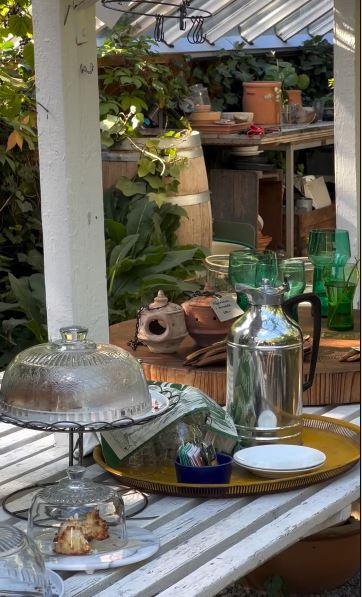
Friluftsliv, often described as open-air living, is a useful reminder that time outdoors does not need to be dramatic. A short walk, coffee in a garden, sitting near an open window, or eating lunch outside can change the pace of the day.
The habit becomes easier when outdoor clothing and shoes are ready, the route is simple, and the goal is not exercise performance. Ten ordinary minutes repeated often can be more realistic than one ambitious trip that never happens.
Make Outdoor Time Easy to Begin
· Weather-appropriate shoes kept near the door
· A light layer, hat, or umbrella ready to use
· A familiar short walking route
· A chair, mat, or step for sitting outside
· A small drink bottle or travel cup
Build an Everyday Open-Air Routine
1. Choose the smallest version. Decide on a ten-minute walk, a balcony coffee, or one outdoor phone call. The habit should remain possible on an ordinary busy day.
2. Prepare for the actual weather. Use shade, layers, rain protection, or safe daylight hours. Scandinavian living adapts to seasons instead of waiting for ideal conditions.
3. Leave entertainment optional. Walk without audio sometimes and notice light, temperature, sound, and plants. The aim is contact with the environment, not another stream of content.
4. Return before it becomes a burden. Stop while the routine still feels manageable. You can stay longer when you want, but the minimum should remain easy enough to repeat tomorrow.
I know ‘go outside’ can sound too simple to matter, yet stepping away from the room often changes how I see it when I return. Problems that felt large at the desk can become more accurately sized after a short walk.
In extreme heat, cold, pollution, or limited mobility, use the safest available option: a shaded courtyard, open window, indoor plants beside daylight, or a brief visit to a covered public space.
Where Scandinavian Simplicity Can Lose Its Balance
Turning the Home Into a White Showroom
White walls can reflect light, but removing colour, books, artwork, and family objects may create a room that feels impersonal. Use a calm background to support life, not to hide it.
Buying a New Minimalist Collection
Replacing usable belongings with products marketed as Scandinavian creates waste and expense. Repair, rearrange, repaint, or reduce first, then buy only when a genuine gap remains.
Removing Useful or Meaningful Objects
Decluttering should improve daily use. A worn recipe book, inherited chair, children’s artwork, or frequently used kitchen tool may deserve visible space even when it does not match a strict palette.
Treating Hygge as Decoration
Candles and blankets cannot create comfort when the room is cold, the schedule is overloaded, or nobody has time to sit down. Solve practical discomfort and protect rest time before adding decorative signals.
Confusing Balance With Low Ambition
Lagom does not require avoiding goals. It asks whether effort, rest, money, and time are being used in a way that can continue without damaging everything around the goal.
Copying a Climate Without Adapting
Heavy wool, sealed rooms, and layers of textiles may be uncomfortable in warm or humid places. Use local fibres, ventilation, shade, and seasonal routines that make sense where you live.
Forgetting Personal Character
A home can be simple and still contain humour, colour, handmade objects, and evidence of hobbies. Calm does not require sameness.
Frequently Asked Questions
Do I need a white home to live in a Scandinavian way?
No. Light colours can help reflect daylight, but Scandinavian living is more closely connected with function, comfort, moderation, and nature. Warm neutrals, earthy colours, muted blues, deep greens, and personal artwork can all belong in the same home.
What is the easiest habit to begin with?
Clear one repeatedly crowded surface and give it one clear purpose. This produces an immediate practical result and helps you notice which objects support the routine and which ones simply collect there.
What is the difference between hygge and lagom?
Hygge is associated with comfort, togetherness, and a pleasant atmosphere, while lagom focuses on balance and the right amount. They can work together: create enough comfort to enjoy the moment without turning comfort into excess.
Can Scandinavian living work in a small flat?
Yes. Small homes benefit from clear circulation, useful storage, portable furniture, good light, and objects that perform more than one job. Avoid oversized furniture and leave some surfaces visibly open.
How can I make the style sustainable?
Use what you own, buy secondhand, choose repairable materials, reduce duplicate purchases, and maintain furniture before replacing it. Sustainability comes from longer use and thoughtful consumption, not only from buying products with a green label.
Are candles necessary for hygge?
No. A shaded lamp, warm drink, quiet conversation, comfortable chair, or familiar evening routine can create the same sense of ease. Where candles are used, place them safely and never leave them unattended.
How do I keep a simple home from feeling boring?
Keep texture, personal art, books, plants, handmade objects, and one or two controlled accent colours. Simplicity works best when the room remains specific to the people who live there.
A Calmer Life Is Built in Small Choices
Living like a Scandinavian is less about copying a photograph and more about building a home and routine that can be used well. Natural light, open space, durable materials, regular pauses, moderate consumption, outdoor time, and seasonal adjustments all support the same goal: everyday life with less unnecessary friction.
Begin with one change that uses what you already have. Clear a surface, move a chair towards daylight, repair a wooden object, or take a proper coffee break away from work. Then notice whether the change makes the day easier or calmer before adding another.
A home does not need to look finished. It needs to help the people inside it rest, work, gather, and move through ordinary days with enough comfort and enough room.
Which change would make the biggest difference first: more daylight, a clearer surface, a proper fika pause, or ten minutes outdoors?