Old fur coats can be difficult to deal with because they often carry more history than practical use. A coat may have belonged to a grandmother, marked an important occasion, or remained carefully stored for decades even though nobody in the family wants to wear its original shape.
I think the condition of the coat should guide the decision. Supple, secure panels may be suitable for a professionally remodelled jacket, while smaller sound sections can become a handbag, collar, cushion, teddy bear, or throw. A coat with brittle skin, heavy shedding, pests, or persistent mould needs a much more cautious approach.
I don’t think an inherited coat should be cut simply because its style feels dated. Photograph it, check the labels, speak to relatives, and make sure nobody wants it preserved first. A reversible restyle may be enough.
It also helps to separate real fur from faux fur. Real fur is attached to animal skin, while faux fur generally has a woven or knitted textile backing. Those foundations behave very differently during cutting and sewing, so inspect a hidden seam before choosing a method.
Check the Skin, Seams, and History Before Cutting
Place the coat on a clean sheet and support its full weight. Do not lift an old garment by one sleeve, collar, or hanger loop because weakened skin can split suddenly.
Inspect:
- The underarms and elbow areas
- Cuffs and hem
- Shoulder seams
- Pocket openings
- Fasteners
- Lining
- Fur loss or bald patches
- Cracking or stiffness
- Signs of moths or other pests
- Powdery residues
- Strong chemical, damp, or musty odours
- Furrier’s labels
- Family monograms
- Previous alterations
Part the hair gently at a hidden section to inspect the backing. Healthy real-fur skin should remain flexible enough to move without crackling or splitting. If it feels dry, paper-like, or brittle, stop manipulating it and ask an experienced furrier or textile conservator for advice.
The Canadian Conservation Institute notes that leather, skin, and fur can suffer from physical stress, pests, mould, pollutants, unsuitable temperatures, and changing humidity. It also warns that some historical skin and fur objects may carry pesticide residues, so unusual powder or a strong chemical smell should not be handled casually.
Avoid ordinary washing, steam cleaning, fabric sprays, home dry-cleaning kits, and leather-conditioning products unless a specialist has assessed the garment. Water and unsuitable treatments can distort the skin, loosen hair, stain the lining, or make existing damage worse.
Use a wide padded hanger only when the shoulders remain strong. Fragile coats may be safer stored flat with supportive padding rather than hanging under their own weight. Proper support is especially important once skin has lost flexibility.
Useful Materials and Tools
- Old real or faux fur coat
- Clean cotton sheet
- Soft clothes brush
- Measuring tape
- Tailor’s chalk
- Pattern paper
- Seam ripper
- Small sharp craft blade
- Cutting mat
- Furrier’s needle or strong hand-sewing needle
- Strong polyester thread
- Sewing clips
- Fabric lining
- Lightweight leather or sturdy woven backing
- Bag hardware
- Cushion backing
- Toy stuffing
- Wide padded hanger
- Breathable cotton storage cover
- Protective gloves when the garment’s history is uncertain
Do not cut a coat with active mould, unidentified powder, pest activity, or severely brittle skin. Keep sharp blades, needles, hooks, and loose fur away from children and pets.
Transform Strong Fur Panels Into a Handbag
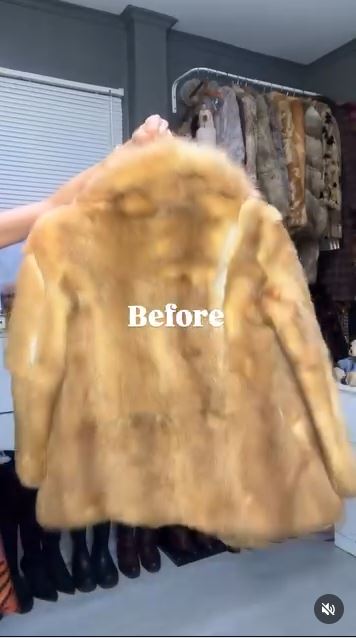
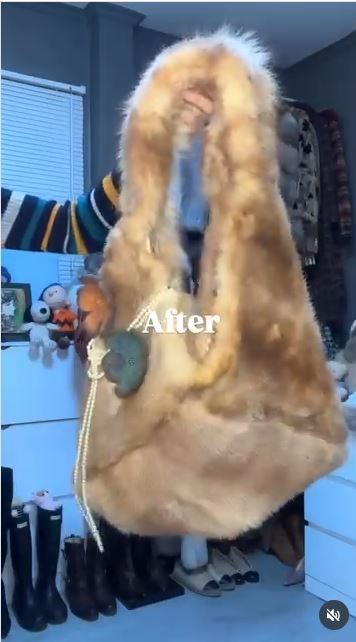
A handbag can use the strongest parts of a coat without requiring every panel to remain intact. This transformation disassembles an old fur garment and reconstructs the usable material as a shaped bag with a separate lining and hardware.
The fur should act as the decorative outer layer rather than carry the full weight of the contents. A strong textile or leather structure inside the bag protects old skins from stretching around the handles and base.
Materials and Tools
- Sound fur panels
- Bag pattern
- Firm lining or canvas
- Interfacing or stabiliser
- Zip or magnetic closure
- Handles
- D-rings
- Strong thread
- Sharp blade
- Hand-sewing needle
- Sewing clips
Make a Similar Bag in Five Steps
- Choose the healthiest panels. The centre back and lower body may provide larger sections, depending on wear. Avoid brittle underarms, stretched pocket openings, thin elbows, and any area that sheds when handled.
- Cut from the backing side. Mark the pattern on the leather or fabric backing and use a sharp blade to separate it without cutting straight through the fur pile. Gently pull trapped hairs away from the cut edge afterward.
- Build the supporting bag separately. Sew the lining, internal pockets, zip, and reinforced base from durable material. Add strong handle anchors that extend into the structural layer rather than ending at the fur surface.
- Fit the fur around the support. Join the fur pieces with small hand stitches through the backing and keep the hair out of the seams. Attach the completed outer layer to the supporting bag around controlled edges.
- Test it with light contents. Begin with a phone, scarf, or small purse. Watch the handle connections and corners before adding more weight.
One detail I wouldn’t skip is the base. Fur alone tends to sag beneath objects, so even a soft handbag benefits from a hidden firm panel.
Small panels can become a clutch or evening pouch. Faux-fur coats may be easier for a confident home sewer because their textile backing can often be stitched with suitable machine settings.
Preserve an Heirloom Coat as a Teddy Bear
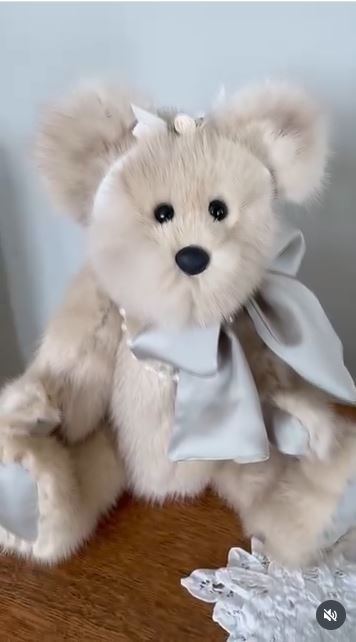
A keepsake bear can divide one inherited coat into meaningful objects for several family members. This project combines material from vintage mink coats into a handmade panda-style bear, giving the fur a recognisable new form without pretending it is a modern toy.
Real-fur keepsake bears are best treated as adult display pieces. Old skin, glass eyes, joints, wire, and small decorative components may not be suitable for children.
Materials and Tools
- Healthy fur sections
- Teddy-bear pattern
- Strong cotton backing when reinforcement is needed
- Sharp blade
- Strong hand-sewing thread
- Curved needle
- Polyester stuffing
- Jointing components, if appropriate
- Embroidery thread
- Original lining for paw pads
- Labels or embroidered initials
Create the Keepsake in Five Steps
- Choose which coat details to preserve. The lining, monogram, label, pocket fabric, or closure may carry as much meaning as the fur. Decide where those elements will appear before cutting the main bear pieces.
- Scale the pattern to the sound material. Place every paper piece on the backing side and check that damaged seams do not cross the face, paws, or limb joints. Mark the direction of the fur so neighbouring pieces lie consistently.
- Cut and reinforce the pieces. Use a blade on the backing side and support any thin areas with suitable fabric. Avoid thick layers of adhesive that could stiffen the finished bear unevenly.
- Sew and stuff the bear. Use compact stitches through the backing without trapping large amounts of hair. Add stuffing gradually so the old skins are supported but not stretched tightly.
- Add identifying details. Use the original lining for the paws, embroider a name or date, or attach the maker’s label to a small fabric tag. Keep all hardware secure and display the bear away from young children and pets.
I know it can feel tempting to make the largest bear possible, but a smaller, well-supported keepsake may place less stress on older material.
A heart-shaped cushion or framed fur-and-lining panel provides a simpler alternative. Several small bears can also share one coat more fairly than one large object.
Why Fur Upcycles Split, Shed, or Lose Their Shape
Cutting Before Checking the Skin
Glossy hair can hide dry, damaged backing. Part the fur and test several hidden sections before planning a project.
Pulling on Brittle Seams
Old skin may tear when stretched, even if the fur still looks full. Support the garment across a clean surface and stop when you hear crackling.
Cutting Through the Hair With Scissors
Ordinary scissors can create blunt, visibly chopped edges. Mark the backing and use a sharp blade to separate the skin while leaving the pile largely intact.
Washing Real Fur at Home
Water, heat, detergent, and agitation can distort or harden the skin. Seek specialist cleaning advice instead of treating real fur like an ordinary fabric coat.
Using Household Leather Conditioner
Conservation guidance recommends caution with dressings and cleaners because unsuitable products can cause long-term damage. Do not experiment on an heirloom garment.
Hanging Fragile Fur on a Thin Hanger
A narrow hanger concentrates weight at the shoulders. Use a wide padded hanger for sound garments or store a fragile piece with full support.
Letting the Fur Carry a Bag’s Weight
Handles attached only to old skin may tear away. Connect them to a reinforced internal bag structure.
Trapping Fur Inside Seams
Hair caught in stitching produces flat lines and bulky joins. Work the pile away from each seam before and after sewing.
Making a Child’s Toy From Unverified Material
An old fur keepsake may contain fragile skin, glass eyes, wire joints, or small parts. Treat it as display décor unless it has been designed appropriately for play.
Storing Fur in Plastic
A tight plastic cover limits airflow and may trap unfavourable moisture. Use supportive, breathable storage in a cool, clean location.
Frequently Asked Questions
How can I tell whether a coat is real or faux fur?
Inspect a hidden seam. Real fur is attached to skin, while faux fur usually has a woven or knitted textile backing. Avoid burn tests because they introduce unnecessary fire and fume risks.
Can I sew real fur with a normal sewing machine?
Some thin, flexible skins may be machine sewn by an experienced maker, but many vintage furs are safer joined by hand or with specialist equipment. Test only an expendable offcut after assessing the skin.
Is a shedding fur coat suitable for upcycling?
Light loose hair may come from ordinary wear, but widespread shedding can indicate deterioration. Do not build a large project around material that releases hair whenever it is handled.
Should I clean the coat before having it altered?
Ask the furrier or maker first. Specialist cleaning may be recommended, while home washing or ordinary dry cleaning can damage the skin.
What is the easiest project for a beginner?
A detachable trim or small fabric-backed cushion made from healthy material is simpler than reconstructing a coat. Faux fur with a stable textile backing is usually easier for home sewing.
Can an old coat be divided among several family members?
Yes. Small bears, cushions, collars, ornaments, or framed sections can preserve recognisable pieces for several people. Plan the division before making the first cut.
How should I store leftover fur?
Support the pieces without tight folding, keep them cool and dry, and protect them from dust and pests. Label the remnants so future family members know which coat they came from.
Let the Coat Become Something You Will Use
Deciding what to do with old fur coats begins with separating emotional value from physical condition. A meaningful coat may deserve preservation, while another can become useful again through thoughtful reconstruction.
Large sound areas can support a modern coat or heirloom throw. Medium panels can become handbags and cushions, while smaller strips suit detachable collars, cuffs, and keepsake details.
Begin by inspecting the backing rather than judging the fur only from the outside. Preserve the labels and lining details that matter, and ask a specialist to handle any project that requires major structural changes.
Which new use would suit your old coat best: a wearable remodel, handbag, keepsake bear, removable trim, throw, or cushion?