A meditation space doesn’t need to occupy an entire spare room. A quiet corner beside a window, the unused end of a bedroom, or a section of the living room can work surprisingly well when the furniture is comfortable and the surrounding objects have been chosen carefully.
I’m much more interested in adapting what a home already contains than filling a meditation corner with newly purchased décor. An old table can become a low shelf, fabric scraps can fill a floor cushion, a forgotten screen can define the area, and an empty glass bottle can provide gentle evening light.
Scandinavian meditation room décor works best when it feels light, useful, and calm without becoming cold. Pale wood, soft neutral textiles, uncluttered surfaces, natural light, and a small amount of greenery can create that balance.
I don’t think the space needs to look spiritual in an obvious way. What matters is that you can enter it easily, sit without discomfort, and put everything away without dismantling half the room. The décor should support the routine rather than becoming another project that demands constant attention.
Choose the Quietest Usable Corner Before Decorating
Sit in several possible locations before moving furniture. Notice traffic, outdoor noise, glare, heating vents, doors, and whether other people regularly need to walk through the area.
A corner that looks attractive may not be useful if it sits beside the television or blocks access to a cupboard. The best position usually offers enough floor space to sit comfortably while keeping the route through the room open.
Remove unrelated objects before adding meditation décor. Sort what is already there into a few groups:
- Items used during meditation
- Furniture that could be repaired or repurposed
- Textiles suitable for cushions or covers
- Storage needed elsewhere
- Decorative objects with personal meaning
- Items ready for donation
- Materials that can become another project
Measure the chosen area and mark the space required for your preferred seated position. Include room for extended legs, a cushion, or a supportive chair when floor sitting is uncomfortable.
Keep the colour palette simple, but don’t assume everything needs to be white. Cream, oatmeal, warm grey, pale wood, muted green, clay, and soft brown create a Scandinavian-style base without making the room look unfinished.
Materials and Tools That May Help
- Measuring tape
- Reused floor rug
- Existing cushions
- Fabric scraps
- Old curtains or tablecloths
- Needle and strong thread
- Cushion filling or clean textile scraps
- Secondhand wooden stool or table
- Reclaimed timber
- Screwdriver
- Fine abrasive paper
- Suitable wood finish
- Reused glass bottle
- Battery-operated LED light
- Storage basket
- Plant and suitable pot
- Removable wall hooks
- Furniture pads
- Simple room divider
Repair unstable furniture before placing it in a frequently used corner. Tall cabinets and furniture with drawers or shelves should be properly secured where tip-over could be a concern.
Create a Neutral Floor-Seating Corner
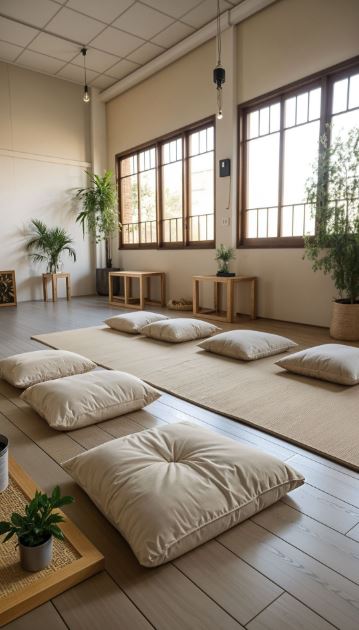
A low floor arrangement immediately separates a meditation area from the rest of a room without building walls. Neutral cushions keep the visual weight close to the floor, while open space above them helps the corner feel less crowded.
The room behind this idea uses neutral-toned floor cushions, restrained decoration, soft lighting, and generous natural light. Those elements create a clear place to sit while allowing the architecture and daylight to remain visible.
Materials and Tools
- Existing floor cushion
- Folded blanket
- Flat woven rug
- Reused cushion covers
- Low basket
- Small wooden tray
- Neutral fabric scraps
- Optional wall print
Arrange the Corner
- Define the sitting area with one base layer. Place a small rug, folded blanket, or firm mat on the floor. It should be large enough for your cushion and legs without spreading into the main walking route.
- Choose support before appearance. Test the cushion for several minutes and notice whether your hips, knees, or back become uncomfortable. Add a folded blanket or second cushion rather than purchasing decorative seating that doesn’t support your body.
- Keep the useful objects within reach. Place a low basket or tray beside the cushion for a timer, notebook, shawl, or other items you actually use. Leave the floor directly in front of you clear.
- Edit the surrounding view. Remove objects that pull your attention away from the space. Then add only one or two quiet details, such as a plant, simple artwork, or small wooden object.
For me, comfort matters more than achieving an extremely low-profile look. A Scandinavian meditation room can include a supportive chair when floor sitting isn’t practical.
A rental-friendly version can use a movable rug and basket. When the session is finished, the cushion can slide beneath a table and the area returns to normal living space.
Sew a Meditation Cushion From Fabric Scraps

A handmade floor cushion is an especially practical addition because you can adjust its size, firmness, and height. The featured project uses old fabric scraps as filling, allowing discarded textile pieces to become part of a useful cushion rather than requiring new loose stuffing.
Use only clean, dry material. Remove zips, buttons, hooks, stiff seams, and anything that could create a hard lump or work through the cushion cover.
Materials and Tools
- Strong reused fabric
- Old curtain, tablecloth, or duvet cover
- Clean fabric offcuts
- Worn cotton clothing
- Scissors
- Sewing machine or hand-sewing needle
- Strong thread
- Measuring tape
- Pins or sewing clips
- Zip or envelope-style opening
- Optional inner liner
Make the Cushion
- Choose a durable outer fabric. Test the material by pulling gently in several directions. Avoid sections that are thin from sunlight, stained, or likely to split along existing fold lines.
- Prepare the filling. Cut clean textile scraps into smaller pieces so they distribute evenly. Keep heavy denim, thick seams, and hard fasteners out of the centre because they can create uncomfortable pressure points.
- Sew a removable cover. Cut two matching panels and include a zip or overlapping back opening. Secure the seams carefully, especially around the section that will carry most of your weight.
- Fill it gradually. Add the textile pieces in several small batches and test the cushion between each one. Then move the filling towards the edges until the surface feels supportive without becoming rigid.
- Check it during actual use. Sit on the cushion in your normal position and notice whether one side collapses. Open the cover and redistribute the filling rather than accepting a permanent slope.
I know it can feel tempting to pack every scrap inside, but an overfilled cushion can be as uncomfortable as a flat one. Keep the leftover pieces for a small bolster or knee support.
A round cushion may suit crossed-leg sitting, while a rectangular version can double as a low seat for reading. Matching covers can also be made from different neutral fabrics rather than identical material.
Repurpose Reclaimed Wood as a Low Meditation Shelf
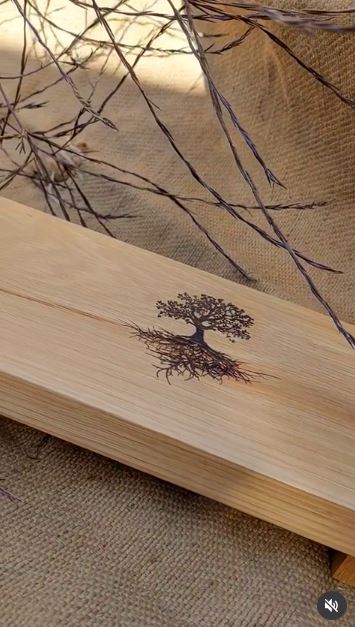
A low wooden shelf gives small meditation items a defined home without introducing a tall, dominant cabinet. The reclaimed-wood piece behind this idea keeps its visible grain, knots, and weathered texture, allowing the material itself to provide most of the decoration.
You could adapt an old bedside table, small stool, drawer, crate, or leftover timber. The finished piece does not need to serve as a religious altar; it can simply hold a notebook, timer, folded cloth, or personal object.
Materials and Tools
- Reclaimed timber or old wooden stool
- Small crate or drawer
- Screwdriver
- Hammer
- Pliers
- Fine abrasive paper
- Dust mask and eye protection
- Wood glue
- Screws
- Suitable finish
- Felt pads
- Small storage box
Prepare the Low Shelf
- Inspect the old wood carefully. Remove loose nails, staples, splinters, and unstable pieces. Check whether the timber has an unusual coating or severe damage before sanding or cutting it.
- Choose the simplest useful form. A sound stool may need only cleaning, while a crate may work on its side as a shelf. Avoid rebuilding the material into something complicated when its existing shape already suits the corner.
- Repair and smooth the structure. Tighten every joint and sand only the rough areas that may catch fabric or skin. Preserve sound marks and colour variation instead of removing all evidence of age.
- Apply a restrained finish. Use a suitable clear or pale finish when protection is needed. Let it dry and cure according to its instructions before bringing textiles or frequently handled items into contact with it.
- Limit what sits on top. Place only the items connected to your routine and store spare objects below. The shelf should remain easy to wipe rather than becoming a display for every meaningful object you own.
The part I like is the contrast between imperfect timber and an otherwise clean room. I’d rather keep one honest repair visible than cover the entire piece with an artificial distressed finish.
An old drawer can become a wall shelf when mounted with suitable hardware. A turned wooden crate offers a simpler version that can return to ordinary storage later.
Use an Open Divider to Form a Meditation Zone
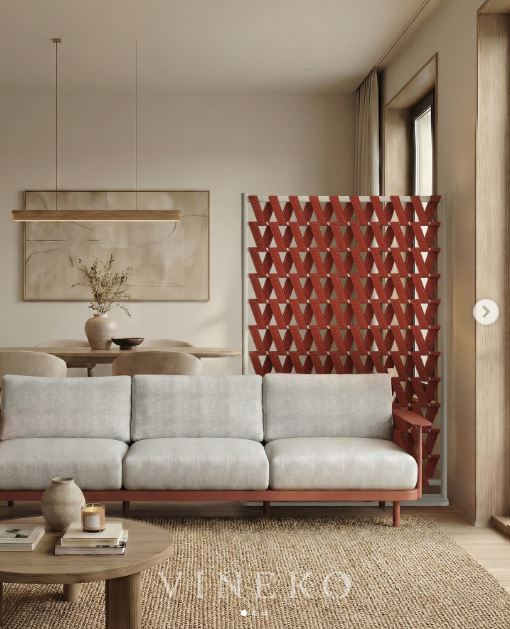
A meditation corner sometimes needs a visual boundary more than a solid wall. An open divider can hide the busiest part of the room from view while preserving light, airflow, and a sense of connection.
The featured space uses a colour-changing divider to carve a meditation area from a living room, with floor cushions, a teak bench, and an olive tree completing the corner. The partition defines the area without closing it completely.
Materials and Tools
- Secondhand folding screen
- Open shelving unit
- Timber frame
- Reused curtain panel
- Stable base or wall fixing
- Paint
- Brush
- Furniture pads
- Storage baskets
- Floor cushion
Define the Zone
- Mark the area on the floor first. Use removable tape to show where the divider may stand. Walk around it, open nearby doors, and make sure the route through the room remains comfortable.
- Choose a divider that allows light through. Slatted wood, open shelves, cane panels, or loosely woven fabric usually feels lighter than a solid dark screen. A tall cabinet may make a small corner feel boxed in.
- Repair and stabilise the divider. Tighten hinges, check the feet, and secure any unit that could tip. Position heavier objects on lower shelves and avoid turning a narrow divider into top-heavy storage.
- Coordinate rather than perfectly match it. Repaint a damaged frame in warm white, muted grey, or a tone already used in the room. Let some wood or woven texture remain visible.
- Keep both sides useful. The meditation side can remain calm, while the outer side may hold books, a basket, or ordinary living-room objects. Then the divider supports the complete room instead of serving only as decoration.
For me, the divider should suggest privacy without making the corner feel like a cupboard. Leave some visual connection to a window, plant, or open section of the room.
A curtain hung from a tension rod provides a reversible option. A repaired open bookcase can also separate the space when it is safely secured.
Combine a Thrifted Furniture Piece With Thoughtful Greenery
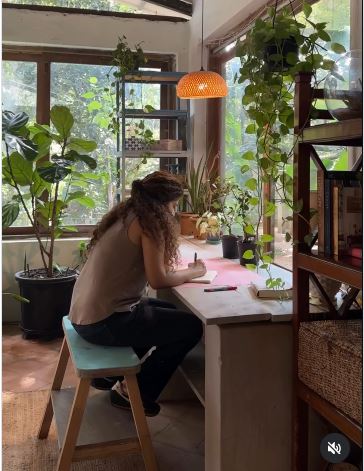
Plants and older furniture can soften an otherwise plain neutral space. The featured interior combines greenery with old furniture and upcycled vintage finds, allowing the natural forms and repaired pieces to create a comfortable, collected atmosphere.
Choose plants according to the actual light and care available rather than their appearance in a styled room. In homes with animals, check each plant through a reliable toxicity resource before bringing it inside; the ASPCA maintains searchable information for dogs, cats, and horses.
Materials and Tools
- Small secondhand table or stool
- Suitable indoor plant
- Plant pot with drainage
- Waterproof saucer
- Cleaning cloth
- Screwdriver
- Fine abrasive paper
- Suitable furniture finish
- Felt pads
- Basket or tray
Style the Plant and Furniture
- Choose furniture that fits the plant and the corner. A narrow stool or bedside table may be enough. Check that the top is level and strong enough for the filled pot.
- Repair the piece before decorating it. Tighten joints, clean the surface, and address rough edges. Refinish only when the existing coating is damaged or visually too heavy for the room.
- Protect the furniture from moisture. Use a waterproof saucer and remove the plant for watering when necessary. Do not rely on a decorative basket to stop water reaching the wood.
- Position the plant for its needs. Place it where the available light and temperature suit it, even when that means moving it slightly away from the meditation cushion. Rotate the pot if growth becomes one-sided.
- Store supplies beneath or beside it. A small basket can hold a folded shawl or notebook. Keep the arrangement low enough that it does not visually crowd the seated area.
For me, one healthy plant is more calming than five struggling ones. Empty pots and yellowing leaves quickly turn a quiet corner into another list of chores.
A vase of pruned branches, dried grasses, or a botanical print can replace a live plant when the room lacks suitable light.
Why a Meditation Corner Starts Feeling Cluttered or Uncomfortable
Decorating Before Testing the Seating
A cushion may photograph well but offer poor support. Sit in the position you expect to use before choosing tables, shelves, or artwork around it.
Filling Every Empty Surface
A Scandinavian-style space needs visual pauses. Keep the shelf, windowsill, and floor partly clear rather than treating every open area as unfinished.
Using Too Many Pale Colours Without Texture
Cream walls, a cream cushion, and a cream rug can merge into one flat surface. Add wood grain, woven fabric, a plant, or one deeper neutral for definition.
Choosing a Corner With Constant Traffic
People walking past repeatedly can make the area difficult to use. Shift the setup, add an open divider, or choose a shorter session routine at a quieter time.
Making Upcycled Furniture Decorative but Unstable
Paint cannot repair weak joints. Tighten and strengthen the piece before placing a plant, lamp, or other object on it.
Keeping Real Candles Near Fabric and Paper
Floor cushions, curtains, books, dried plants, and paper decorations can catch fire. Use battery-operated lighting when the corner contains soft textiles or reused combustible materials.
Adding Plants Without Checking Pet Safety
Some common indoor plants may be harmful if animals chew them. Check the exact plant and keep it out of the room when its safety or identity is uncertain.
Making the Space Too Permanent
A meditation setup that prevents the room from serving its main purpose may not last. Use movable cushions, baskets, curtains, and small furniture when the area must remain flexible.
Frequently Asked Questions
Does a meditation room need to be completely separate?
No. A dedicated corner can work when it remains comfortable and reasonably free from interruptions. A rug, divider, or low shelf can define it without structural changes.
Which colours suit a Scandinavian meditation room?
Warm white, oatmeal, pale grey, muted green, clay, and natural wood tones are useful starting points. Test the colours in the room’s daylight and evening lighting before committing to them.
Can I create the space without buying a meditation cushion?
Yes. Fold a firm blanket, reuse an existing floor cushion, or sew one from strong fabric and clean textile scraps. Choose support according to your body rather than the expected appearance.
What can I use as a meditation table?
A repaired stool, low crate, small bedside table, or stable wooden drawer can work. Keep it low enough to feel connected to the seated area and strong enough for its contents.
How do I create soft lighting without candles?
Use a table lamp, battery-operated LED string, or approved LED lantern. Position the switch where you can reach it without standing or pulling a cable across the floor.
Can the meditation corner contain storage?
Yes. One basket, drawer, or low shelf can keep useful items together. Avoid storing unrelated household clutter in the same containers.
How can renters create this style?
Use movable rugs, secondhand stools, floor cushions, baskets, tension-rod curtains, and removable hooks. Keep permanent painting, drilling, and fixtures within the property rules.
Build a Calm Space From What Is Already Nearby
The most useful Scandinavian meditation room décor tips begin with the room you already have.
A folded textile can become the first seat. Fabric scraps can fill a supportive cushion, reclaimed wood can provide a low shelf, and a forgotten divider can turn an ordinary living-room corner into a more private area. Even an empty glass bottle or repaired side table can take on a clear new purpose.
Begin with comfort and routine, then add only the objects that support them. A calm space doesn’t need to be empty, expensive, or separate from daily life. It simply needs to be easy to enter and easy to maintain.
Which part would you reuse first for your meditation corner: old fabric, a small wooden table, an empty bottle, or a forgotten room divider?