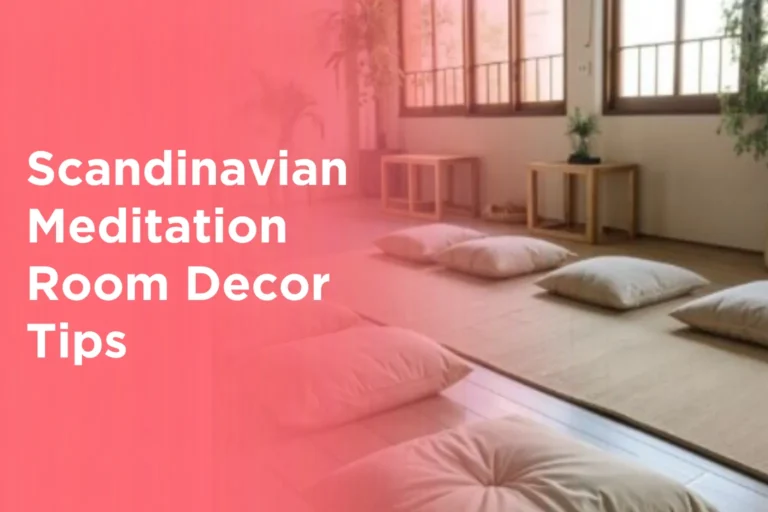
Scandinavian rooms often look simple at first, but the warmth usually comes from small, deliberate choices rather than an empty white room. Light moves easily across the space, furniture has a clear purpose, and natural textures stop the clean lines from feeling cold.
The part I appreciate most is that this style doesn’t require replacing everything you already own. A dark coffee table can be refinished, an old cabinet can become useful storage, and secondhand furniture can sit comfortably beside modern pieces when the shapes and colours feel balanced.
I don’t think Scandinavian style should turn a lived-in home into a showroom. Books, plants, blankets, family photographs, and useful everyday objects can stay. They simply need enough breathing room around them.
Begin by looking at the room’s light, movement, and storage before choosing paint or decoration. Then work with the furniture and materials you already have. A calmer layout, one repaired wooden piece, and a few softer textiles may change the room more effectively than buying a complete matching collection.
Edit the Room Before Adding Anything New
Walk through the room as though you were visiting it for the first time. Notice which furniture blocks the windows, where objects collect, and which pieces are being kept only because nobody has decided what to do with them.
Sort the contents into practical groups:
- Furniture used every day
- Useful pieces that need repair
- Items suitable for repainting or refinishing
- Objects that could move to another room
- Duplicate storage containers
- Decorative pieces with personal meaning
- Items ready for donation or resale
- Damaged materials suitable for another project
- Things that genuinely need replacing
Do not remove every personal object in pursuit of minimalism. A Scandinavian-style room still needs signs of ordinary life. The aim is to reduce visual competition so the pieces you value can be noticed.
Measure the room and major furniture before changing the layout. Mark doors, windows, radiators, electrical outlets, and the routes people use most frequently. A chair may look elegant beside a window but become irritating if everyone has to squeeze around it.
Clean and inspect secondhand furniture before bringing it into the room. Tighten loose fittings, repair unstable joints, and test painted finishes in a hidden area before sanding or applying a new product.
Useful Materials and Tools
- Measuring tape
- Pencil and paper
- Reused storage boxes
- Soft cleaning cloths
- Mild surface cleaner
- Screwdriver
- Furniture pads
- Paint suited to the existing surface
- Paintbrush or small roller
- Fine abrasive paper
- Natural-fibre fabric scraps
- Neutral cushion covers
- Reused baskets
- Table and floor lamps
- Mirrors
- Plants and simple containers
- Picture hooks and suitable wall fixings
Repair unstable furniture before using it. Follow the manufacturer’s instructions for paint, adhesive, electrical lighting, and wall fixings, and work in a ventilated area when a coating requires it.
Create a Calm Base With Warm Neutrals
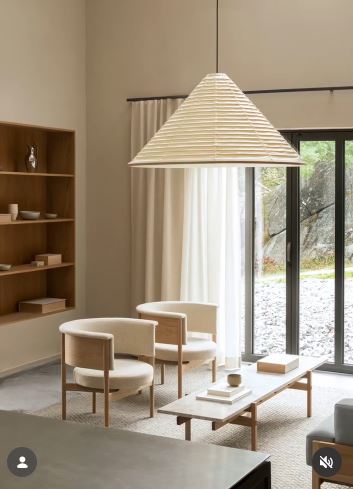
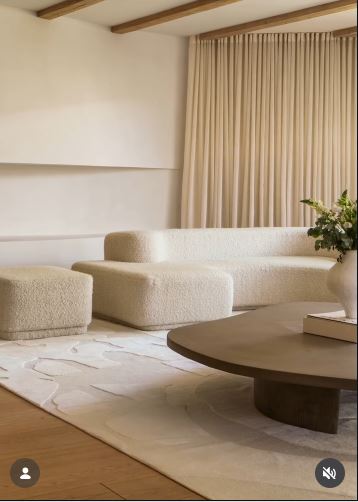
A successful neutral room rarely uses one identical shade everywhere. Soft white walls may sit beside oatmeal fabric, pale timber, warm grey, clay, or muted green. Those slight changes stop the room from becoming flat.
The relaxed interior used here shows the familiar Scandinavian combination of clean lines, natural materials, light surfaces, and a restrained colour palette. The room feels calm because its colours relate to one another rather than competing for attention.
Materials and Tools
- Existing paint swatches
- Reused white or neutral paint
- Sample board
- Neutral cushion covers
- Pale wood or wood-look accessories
- One darker accent
- Natural-fibre rug
- Soft cleaning cloth
Build the Colour Palette
- Begin with what cannot easily change. Identify the flooring, largest sofa, fitted cabinets, and other permanent finishes. Choose a wall colour that works with those surfaces instead of selecting an attractive neutral in isolation.
- Test the colour throughout the day. Paint a movable sample board and place it near the window, behind the sofa, and in the darkest corner. A grey that looks soft in daylight may appear blue or heavy under evening lighting.
- Layer related shades. Add cushions, throws, pottery, and artwork in neighbouring neutral tones. Then introduce one controlled contrast, such as charcoal, deep brown, muted rust, or forest green.
- Remove competing colours gradually. There’s no need to replace every object. Move the brightest pieces together, cover one cushion, repaint a small frame, or relocate an item that interrupts the palette.
For me, warm white usually feels more forgiving than a brilliant cold white. It works particularly well with old wood, cream fabric, woven baskets, and furniture that has gained a little age.
A rental-friendly version can leave the walls untouched and build the palette through curtains, removable covers, rugs, artwork, and secondhand accessories.
Make Storage Functional Enough to Remain Visible
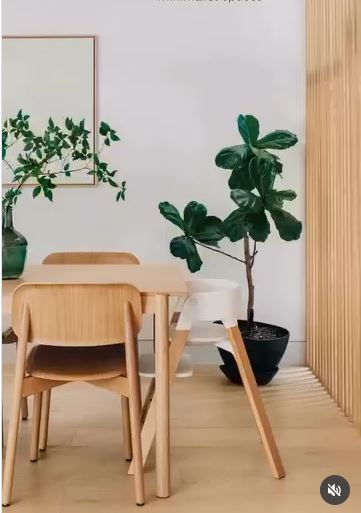
Scandinavian storage works best when it answers a real habit. A basket beside the sofa can hold blankets because that is where they are used. A low cabinet near the entrance can contain shoes, bags, and keys without making the room feel like a storage facility.
The featured design philosophy connects functional storage, natural materials, timeless forms, and everyday efficiency. The objects are useful first, which is precisely why they can remain visually quiet.
Materials and Tools
- Existing cabinet or shelf
- Reused wooden crates
- Woven baskets
- Matching paper labels
- Furniture repair tools
- Wall anchors suited to the surface
- Paint or wood finish
- Felt pads
- Small trays
Create Calmer Storage
- Identify where clutter begins. Notice whether objects collect beside the door, on the coffee table, or near the sofa. Put storage at that point rather than expecting people to carry everything to a distant cupboard.
- Reuse containers with similar proportions. Baskets do not need to match perfectly, but a repeated material or colour helps them sit together. Paint wooden crates in one muted tone or add simple labels to reused boxes.
- Keep frequently used items accessible. Place everyday objects in drawers, low shelves, or open baskets. Reserve the highest and deepest areas for things used less often.
- Leave some space unfilled. A shelf packed from edge to edge becomes visually noisy and difficult to use. Then remove one basket or group several small objects onto a single tray.
I know empty shelf space can feel unfinished at first, but it gives the room flexibility. It also prevents every new letter, book, or charger from creating instant disorder.
For a small home, choose storage that serves a second purpose: a bench with space underneath, a side table with a shelf, or a repaired chest used as a coffee table.
Refinish a Tired Coffee Table With a Lighter Scandi Look
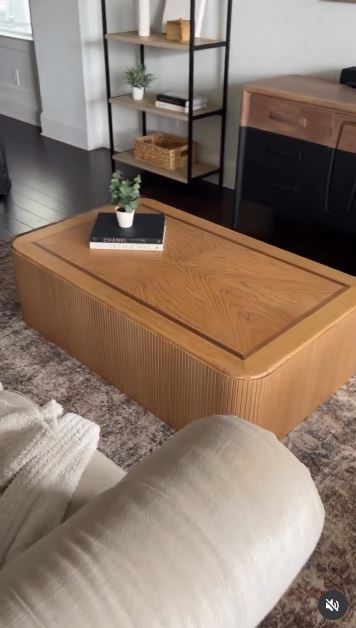
A coffee table often occupies the centre of the living room, so its colour and shape affect the whole space. Before replacing a heavy or dated table, check whether the structure is sound enough for a simpler finish.
The featured makeover takes an older coffee table and gives it a more minimal Scandinavian appearance. The transformation works because the original furniture remains useful while its dominant finish becomes lighter and quieter.
Materials and Tools
- Structurally sound coffee table
- Screwdriver
- Mild cleaner
- Fine and medium abrasive paper
- Dust mask and eye protection
- Paint or finish suited to the table
- Brush or roller
- Wood filler when appropriate
- Protective topcoat
- Furniture pads
Refresh the Table
- Inspect and repair the structure. Tighten screws, check the legs, and repair loose joints before touching the finish. A pale colour cannot disguise a table that wobbles whenever someone sets down a cup.
- Prepare the existing surface. Clean away grease and polish, then follow the preparation required for the material. Solid wood, veneer, laminate, and previously painted surfaces should not all be treated in the same way.
- Choose a restrained finish. Consider pale wood, warm white, soft grey, or a muted colour that relates to the room. Test it beneath the table before applying it to the visible top.
- Apply thin, controlled coats. Keep the edges clean and allow each layer to dry according to the product instructions. Finish with protection suited to a surface that will receive cups, books, and regular wiping.
- Style it lightly. Add one tray, small plant, or stack of books rather than covering the newly finished top. Keep enough clear space for the table to remain useful.
The part I would resist is adding decorative mouldings simply because the table now feels plain. Clean lines are doing useful work here.
A beginner can update only the legs or lower frame while preserving a sound wooden top. Removable vinyl may provide a temporary option, although the surface should be tested first.
Mix Secondhand Character With Cleaner Modern Shapes
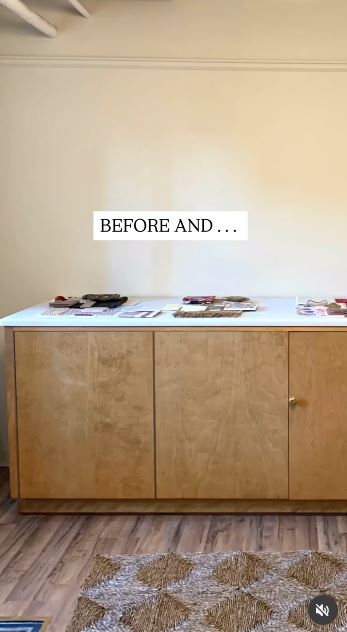
A Scandinavian-style home does not need to contain furniture from one period. An old dresser, painted chair, or small cabinet can add warmth beside a modern sofa, provided the room has a clear visual connection.
The studio represented here incorporates antique, vintage, and secondhand pieces with the pale, aged character associated with Swedish Gustavian furniture. It shows how older pieces can contribute history without making the room feel crowded.
Materials and Tools
- Secondhand furniture
- Cleaning materials
- Screwdriver and repair supplies
- Paint or finish suited to the surface
- Simple replacement hardware
- Neutral textiles
- Measuring tape
- Felt furniture pads
Balance Old and New
- Choose one older piece as the anchor. A dresser, dining table, chair, or cabinet can carry more detail than the surrounding furniture. Avoid introducing several unrelated statement pieces at once.
- Repair before refinishing. Strengthen joints, replace missing supports, and clean the hardware. Preserve an aged surface when it remains sound and suits the room rather than automatically covering it.
- Simplify the surrounding pieces. Pair a detailed vintage cabinet with a plain lamp, clean-lined chair, or simple artwork. This contrast gives the older furniture room to be noticed.
- Repeat one feature elsewhere. Connect the piece through a shared wood tone, muted colour, metal finish, or textile. The furniture does not need to match, but it should not feel completely isolated.
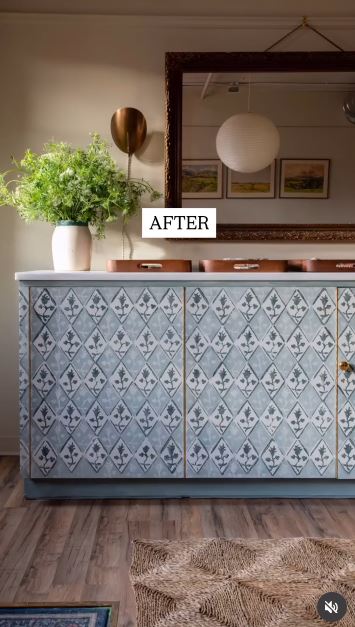
For me, one worn edge can be more interesting than a finish made artificially distressed in every corner. Keep genuine age where it supports the piece.
A dark cabinet can remain unpainted when lighter walls, a simple rug, and open space around it prevent the room from feeling heavy.
Common Mistakes to Avoid in a Scandinavian-Style Room
Turning Minimalism Into Emptiness
Removing every book, photograph, and handmade object can make the room impersonal. Keep meaningful items and give them clear places rather than eliminating them.
Using Only Cold White and Grey
A pale palette needs wood, fabric, plants, or warmer undertones. Otherwise, the room may feel unfinished rather than calm.
Buying Matching Furniture Sets
Scandinavian rooms often feel collected rather than purchased in one afternoon. Mix repaired secondhand pieces with simpler furniture and connect them through colour or material.
Blocking the Best Natural Light
Tall furniture, heavy curtains, and crowded windows prevent daylight from reaching the room. Let the layout respond to the window rather than treating it as leftover wall space.
Hiding All Storage Far From Where It Is Needed
A remote cupboard will not solve clutter beside the sofa or entrance. Place attractive storage close to the habit it supports.
Choosing Appearance Over Comfort
A chair with clean lines still needs to support the person using it. Test seating, table heights, and room movement before deciding that a piece suits the style.
Overdecorating Refinished Furniture
A furniture makeover can lose its calm appearance when extra stencils, mouldings, transfers, and hardware compete. Let the shape and finish carry the piece.
Treating Every Old Surface as Something to Paint
Natural wood, aged metal, and honest wear can add warmth. Repair and clean first, then paint only when the existing surface genuinely conflicts with the room.
Frequently Asked Questions
Can Scandinavian style work in a small home?
Yes. Prioritise clear walking routes, appropriately scaled furniture, and storage near the point of use. A small room often benefits more from editing the layout than from adding decorative features.
Does every wall need to be white?
No. Warm grey, muted beige, pale green, dusty blue, and other soft colours can work well. The important part is how the colour responds to the room’s light and existing materials.
Can I use dark furniture?
Yes. One dark table, cabinet, or chair can provide useful contrast against lighter walls and textiles. Give it some open space so it does not visually dominate the room.
How can I create the style on a limited budget?
Begin with rearranging, cleaning, repairing, and removing unnecessary clutter. Refinish one secondhand piece, reuse existing textiles, and introduce changes gradually.
Are patterns allowed in Scandinavian interiors?
Simple checks, stripes, botanical forms, and folk-inspired patterns can work well. Use them in controlled areas so they support rather than overpower the room.
What type of lighting suits this style?
Use more than one light source. A ceiling fitting can provide general light, while table and floor lamps create softer light near seating, reading, or work areas.
How do I stop a neutral room from feeling boring?
Vary the texture, age, and material rather than adding many colours. Wood grain, linen, wool, pottery, plants, and one darker accent can give the room enough depth.
Build the Room Around Use, Light, and What You Already Own
The most practical Scandinavian style tips for your home begin with observation rather than shopping.
See where daylight enters, how people move, and where everyday objects collect. Then improve one part at a time: clear a window, repair a cabinet, refinish a coffee table, or sew a cushion cover from fabric already in the cupboard.
The room does not need to become perfectly neutral or completely minimal. It needs to feel easy to use, comfortable to live in, and calm enough for the materials and meaningful objects to be noticed.
Which change would help your home most right now: a lighter layout, better storage, a secondhand furniture makeover, or warmer textiles?