Crystal bowls are often kept because they feel too special to discard, even when nobody uses them. Their cut patterns catch the light, their weight feels substantial, and many have links to weddings, relatives, or an era of home décor that no longer matches the room.
I don’t think an unused crystal bowl has to remain wrapped in tissue at the back of a cupboard. Its transparency, reflective surface, and strong shape can suit a planter, raised display, decorative light, garden feature, or candle arrangement.
The condition of the bowl should decide what happens next. A valuable heirloom deserves a reversible project, while an inexpensive thrifted bowl gives you more freedom to experiment with adhesive or outdoor display.
Crystal can also be less forgiving than ordinary plastic or metal. A small crack may spread under heat, pressure, or changing temperatures. I’d inspect the bowl carefully before adding anything heavy, attaching it to another object, or placing it near a flame.
With thoughtful preparation, these decorative pieces can become visible and useful again without losing the details that made them worth saving.
Inspect the Crystal Before Adding Heat, Weight, or Adhesive
Wash the bowl gently in warm water with mild dish soap. Avoid moving it directly between very hot and cold water, especially when its age and composition are unknown.
Dry the bowl with a soft cloth and examine it under strong light. Rotate it slowly so that reflections do not hide fine damage.
Check for:
- Hairline cracks
- Small chips around the rim
- Cloudy areas
- Loose or repaired sections
- Scratches inside the bowl
- An uneven or damaged base
- Previous adhesive residue
- Sharp decorative points
- A maker’s mark or label
- Sentimental or possible collectible value
Tap the bowl only very gently, if at all. A visual inspection is more useful than repeatedly striking crystal to judge its sound.
Decide whether the project will remain reversible. A removable plant pot, battery light, or jewellery arrangement leaves the bowl unchanged. A birdbath or pedestal stand usually involves adhesive, which may be difficult to remove without damaging the surface.
Unknown vintage crystal should not automatically be treated as a safe candle container. Standards for glass candle vessels include testing for thermal shock and glass integrity, so a decorative bowl should not be assumed suitable for hot wax and a burning wick. The safest home adaptation is a battery-operated candle or a separate tested candle container placed inside the bowl.
Useful Materials and Tools
- Clean crystal bowl
- Mild dish soap
- Soft cloths
- Cotton buds for detailed grooves
- Felt pads
- Removable plant pot
- Potting mix and suitable plants
- Decorative stones
- Battery-operated candle or lights
- Strong clear adhesive suitable for glass
- Thrifted vase or pedestal base
- Painter’s tape
- Measuring tape
- Ruler
- Marker that can be removed from glass
- Thrifted plate or tray
- Battery-operated LED puck light
- Transparent or translucent decorative film
- Artificial flowers or dried stems
- Protective gloves
- Eye protection
- Stable padded work surface
Do not use a cracked or chipped crystal bowl for projects involving heat, water, weight, or hanging. Keep electrical cords, real flames, sharp glass, batteries, and uncured adhesive away from children and pets.
Create a Crystal Bowl Candle Display
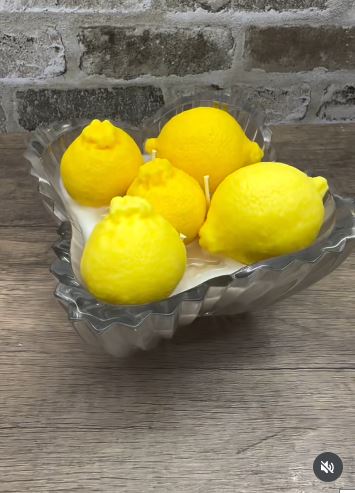
A low crystal bowl can create a soft, reflective candle display on a mantel, side table, or dining table. The selected project gives a vintage crystal bowl a new role as cosy decorative lighting rather than leaving it unused in storage.
For a beginner, I would use a battery-operated candle or place a properly manufactured candle inside its own heat-safe container within the bowl. That keeps direct flame and hot wax away from crystal that was not designed or tested as a candle vessel.
The cut pattern will still reflect the light. You can also remove the lighting later and return the bowl to another decorative use.
Materials and Tools
- Crystal bowl without cracks
- Battery-operated pillar candle or tea lights
- Clear glass candle holder, if using a real candle
- Decorative glass stones
- Clean sand or small pebbles
- Felt pads
- Soft cloth
- Optional dried botanicals kept away from real flames
Arrange the Candle Display in Four Steps
- Test the bowl on a stable surface. Place it where it will be displayed and check whether it rocks or tilts. Add small felt pads beneath the base when they improve stability without showing through the crystal.
- Choose the safest light source. Position a battery-operated candle in the centre, or place a real candle inside a separate container manufactured for candle use. Do not pour wax directly into an unknown vintage bowl or allow a flame to touch the crystal.
- Add a restrained base layer. Arrange a small amount of clean sand, glass stones, or pebbles around the light. Keep the materials below the flame and ventilation openings when a real candle insert is used.
- Check the complete display. Turn on the light and view the bowl from several angles. Remove any decoration that blocks the glow or makes the candle unstable.
For me, the crystal pattern already provides enough detail. I know it can feel tempting to add beads, flowers, ribbons, and seasonal decorations together, but the reflected light usually looks better when the centre remains uncluttered.
A row of small LED tea lights can fill a wider punch bowl. You could also use one colour-changing battery light beneath translucent stones for a softer evening display.
Turn Two Glass Bowls Into a Battery-Powered Mood Lamp
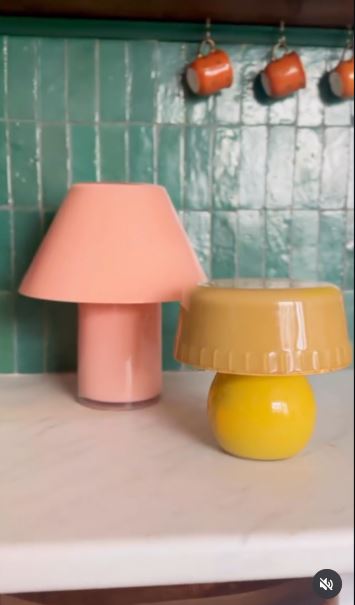
Old glass bowls can diffuse light in a way that plain plastic shades cannot. The selected lighting project uses thrifted bowls to create mood lighting, turning their texture into the main feature of the finished lamp.
For a straightforward home version, use a battery-operated LED puck or micro-light rather than altering mains electrical wiring. The light should remain cool, accessible, and easy to switch off.
Two bowls can be placed rim to rim, or one can sit upside down over a low LED light. The design must include an opening or removable section so the battery can be reached without separating glued glass.
Materials and Tools
- One or two matching glass or crystal bowls
- Battery-operated LED puck light
- Removable adhesive strips
- Clear bumpers or felt pads
- Transparent decorative film, if desired
- Measuring tape
- Soft cloth
- Painter’s tape
- Optional wooden or ceramic base
Create the Mood Lamp in Four Steps
- Test the light through the bowl. Place the LED beneath or inside the crystal and switch it on in a darkened room. Check whether the cut pattern diffuses the light evenly or creates one harsh bright point.
- Choose a stable arrangement. Sit one inverted bowl over the light, or balance two compatible bowls rim to rim. Add clear bumpers between glass edges to prevent scratching and sliding.
- Keep the light accessible. Use removable strips rather than permanently sealing the battery compartment. Make sure you can turn the light on, replace the batteries, and inspect the interior.
- Check heat and stability. Run the LED for a while and confirm that the light, adhesive, and glass remain cool. Place the lamp on a level surface away from water, fabric curtains, and table edges.
I’d rather see a small join between the bowls than glue them so completely that the batteries become trapped inside. Practical access matters more than pretending the lamp was manufactured as one sealed piece.
A single bowl can become a bedside glow light. Coloured transparent film beneath the bowl can create a warmer or cooler effect without painting the crystal permanently.
Make a Raised Display Stand With a Crystal Bowl and Plate
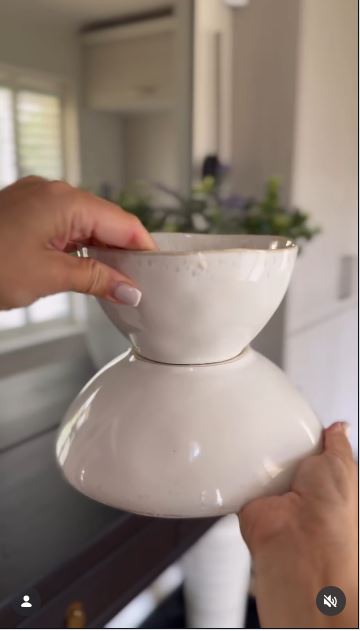
An upside-down crystal bowl makes a ready-made pedestal for a plate or tray. The selected project demonstrates how simply joining a plate and bowl can create a cake stand, centrepiece, or display dish.
The bowl should have a flat, stable base and a rim broad enough to support the plate. The finished stand is best used for jewellery, keys, perfume bottles, candles in separate holders, decorative objects, or individually wrapped treats unless every material has been confirmed suitable for food contact.
Materials and Tools
- Crystal bowl
- Decorative plate or small tray
- Strong clear adhesive compatible with both materials
- Measuring tape
- Removable marker
- Painter’s tape
- Mild cleaner
- Soft cloth
- Felt pads
- Level
Build the Pedestal Stand in Five Steps
- Compare the proportions. Turn the bowl upside down and place the plate over it. The plate should extend beyond the bowl evenly without making the stand feel top-heavy.
- Find and mark the centre. Measure across the underside of the plate in several directions and mark the central point. Trace the contact area lightly so the bowl can be positioned accurately after adhesive is applied.
- Prepare the glass and plate. Clean the joining areas according to the adhesive instructions and let them dry fully. Avoid touching the prepared surfaces with oily fingers.
- Join and support the pieces. Apply the recommended amount of adhesive, centre the bowl, and secure it with painter’s tape. Let the bond cure on a flat surface without moving the stand to “check it quickly.”
- Test the finished display gradually. Add felt pads beneath the bowl and place light objects on the plate first. Stop using it if the joint shifts, the plate tilts, or either piece develops a crack.
For me, the plate and crystal don’t need identical patterns. One shared colour or a similar level of detail is usually enough to make the two thrifted pieces feel connected.
A small saucer and miniature crystal bowl can become a ring stand. A large plate works as a perfume display, while a shallow tray can hold seasonal ornaments or wrapped gifts.
Where Crystal-Bowl Projects Become Unstable or Unsafe
Using a Cracked Bowl
A hairline crack may spread under pressure, heat, water, or temperature changes. Reserve damaged crystal for a carefully contained decorative mosaic rather than a planter, candle display, birdbath, or pedestal.
Pouring Candle Wax Into Untested Crystal
Decorative bowls are not automatically suitable as candle vessels. Candle-container standards include glass integrity and thermal-shock testing, and glass failure can cause burn, fire, and laceration hazards. Use a battery light or a tested candle insert instead.
Choosing a Narrow Pedestal
A tall vase or small bowl may look elegant but can tip under the weight of water, plants, or a large plate. Test the complete proportions before applying adhesive.
Gluing Over Dust or Grease
Clear adhesive needs clean contact surfaces. Residue can weaken the joint and may remain visible through the crystal.
Using Too Much Adhesive
A heavy ring of glue can squeeze into visible areas and still fail to create a stronger connection. Apply the amount recommended for the product and clean excess only as directed.
Sealing a Battery Light Permanently
A mood lamp needs access for switching, inspection, and battery replacement. Design the glass arrangement so one section can be lifted safely.
Filling a Bowl With Soil Without Drainage
Water can collect inside a crystal bowl and damage plant roots or create unpleasant odours. Use a removable plant pot and empty any trapped moisture.
Leaving Outdoor Crystal in Severe Weather
Freezing temperatures, falling branches, high winds, and unstable ground can damage a glass birdbath. Move it into a protected location when conditions become unsuitable.
Assuming Every Old Bowl Has Little Value
Some crystal may be sentimental, collectible, or part of a larger set. Research markings and ask family members before drilling, gluing, painting, or placing a bowl outdoors.
Carrying a Pedestal Stand by the Plate
The adhesive joint may not be designed to support the entire stand while lifted from the top. Move the piece by supporting both the plate and the crystal base.
Frequently Asked Questions
Can I turn any crystal bowl into a candle?
No. Decorative crystal should not be assumed suitable for direct flame or poured candle wax. Use a battery-operated candle or place a tested candle container inside the bowl.
How can I tell whether a crystal bowl is valuable?
Look for etched or printed maker’s marks, original labels, distinctive patterns, and matching pieces. Research the mark and avoid permanent alterations until you are comfortable with the bowl’s value.
Can I drill a crystal bowl?
Drilling glass or crystal can cause cracking and requires tools and techniques suited to the exact material. A project that uses adhesive, a removable insert, or a plate hanger is generally simpler for a beginner.
What adhesive should I use for glass?
Choose a clear adhesive whose manufacturer lists glass and the second material you are joining. Check whether it suits indoor or outdoor use and follow its surface-preparation and curing instructions.
Can a crystal bowl hold a living plant?
Yes, but a removable nursery pot is usually more practical than planting directly in the bowl. It allows drainage and protects the crystal from standing water and soil scratches.
How should I clean a repurposed crystal bowl?
Dust it gently and wipe it with a soft damp cloth. Avoid harsh abrasives, sudden temperature changes, and soaking glued joints unless the adhesive manufacturer confirms that they tolerate water.
Which project is easiest for a beginner?
A battery-operated candle display or removable planter requires no drilling and no permanent adhesive. Both projects also allow the bowl to return to another use later.
Let the Crystal Catch the Light Again
These five creative ways to repurpose crystal bowls begin with one simple decision: preserve what makes the bowl worth keeping.
The cut pattern can reflect a battery-operated candle or diffuse a small LED light. A wide bowl can hold a removable spring planter, while sturdier thrifted pieces can become a garden birdbath or raised display stand.
Begin with the least permanent project when the bowl carries sentimental value. You can always add adhesive later, but removing it from delicate crystal is far less predictable.
Choose one bowl, inspect it carefully, and give it a purpose that lets you see it regularly rather than protecting it so thoroughly that it disappears for another decade.
Which would suit your crystal bowl best: a glowing table display, spring planter, garden birdbath, mood lamp, or raised trinket stand?