Old magazine racks tend to linger after the magazines have gone. They sit beside a chair holding one forgotten catalogue, or they move into a cupboard because nobody can decide what to do with them. Many are still sturdy, though. Their divided sections, open sides, handles, and narrow shape can solve storage problems in rooms where a larger piece of furniture would only get in the way.
I’m Stella Eve Louise, and I don’t think an old magazine rack needs an elaborate makeover to earn its place. Sometimes a new coat of paint helps, but a sensible new purpose matters more. A wooden rack may organise baking trays, a handled version can hold a spare toilet roll, and a slim wall holder may keep sandals from spreading across the floor.
The shape should guide the project. Deep wooden racks suit heavier household items, while lightweight files work better for paper, craft supplies, or pantry storage. Before changing anything, check the material, joints, finish, and intended load. A rack that once held a few magazines may not safely support a stack of cast-iron pans, however determined it looks.
Check the Magazine Rack Before Giving It a New Job
Empty the rack completely and remove any paper, dust, loose labels, or forgotten receipts. Then place it on a flat surface and press gently against each side. It should remain steady without rocking, twisting, or opening at the joints.
Check the rack for:
· Loose screws, dowels, staples, or glued joints
· Splintered wooden edges
· Rust or flaking paint on metal
· Cracked or brittle plastic
· Torn fabric or leather slings
· Bent dividers
· Sharp corners or exposed fasteners
· Water stains or signs of damp
· Wobbly feet
· A handle that no longer sits securely
Repair structural problems before adding paint or decoration. Paint may hide a crack, but it will not strengthen it. Tighten sound screws, reglue suitable wooden joints, smooth rough edges, and replace missing floor pads where possible.
Clean according to the material. Wipe painted wood with a slightly damp cloth and dry it promptly. Use mild soapy water on washable metal or plastic, then remove all moisture from seams and corners. Fabric slings may need vacuuming or careful spot cleaning rather than soaking.
Wear eye protection when drilling or cutting, and work in a ventilated area when using spray paint, stain, strong adhesive, or a protective finish. Keep food-storage projects separate from racks with rust, flaking coatings, strong odours, or finishes of uncertain safety.
Turn a Wooden Magazine Rack Into Baking-Tray Storage
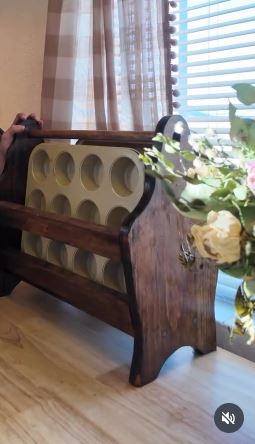
A divided wooden magazine rack can organise baking sheets, chopping boards, cooling racks, shallow trays, and other flat kitchen pieces. Instead of stacking everything horizontally, the rack keeps each item upright. That makes it easier to remove one tray without lifting several others first.
This works best with a broad, steady rack that has strong dividers and a level base. The rack should sit where trays cannot topple into a walkway or rest against a hot appliance. I’d also keep the heaviest piece near the centre rather than loading one side and wondering why the whole thing has developed a lean.
Materials and Tools
· Sturdy wooden or metal magazine rack
· Mild cleaning solution
· Cleaning cloth
· Small screwdriver
· Fine sandpaper for rough wooden areas
· Optional wood glue for sound repairable joints
· Optional felt or rubber floor pads
· Baking sheets, chopping boards, or cooling racks for testing
Prepare the Rack for Kitchen Storage
1. Inspect the base and dividers. Place the empty rack on a level surface and check whether it rocks. Tighten loose hardware and reject any rack with badly split wood, extensive rust, or dividers that move under light pressure.
2. Clean every inner surface. Kitchen grease and old dust often collect inside corners. Wipe the rack carefully, remove residue, and let it dry completely before adding trays. Sand only the rough areas that could scratch boards or catch your hands.
3. Protect the worktop. Add felt or rubber pads beneath the feet if the base could mark the surface. The pads may also reduce sliding when you pull out a tray with one hand.
4. Arrange items by weight and frequency. Put heavier pieces near the centre and everyday trays where they are easiest to reach. Leave a little space between items so metal edges do not scrape together every time you use the rack.
5. Test the loaded rack. Remove and replace each item slowly. If the rack tips, twists, or slides forward, reduce the load or move it to a more secure position inside a pantry or low cupboard.
The part I would check most carefully is the width of the dividers. A narrow slot may grip a thin baking sheet nicely but could trap a thick chopping board. There’s no need to force an item into a section that does not suit it.
You could use the same arrangement for serving trays, placemats, shallow cake boards, or pan lids. A smaller rack may also organise reusable food wraps and folded tea towels, provided it remains clean and dry.
Use the Handle as a Toilet-Roll Holder
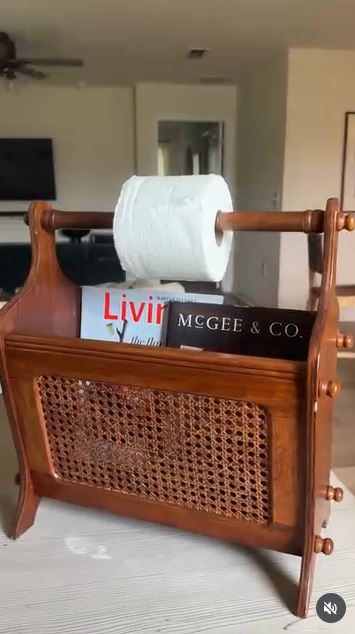
Some older magazine racks have a central handle that can pass through the cardboard tube of a toilet roll. The lower section still holds books or folded hand towels, while the handle keeps a spare roll within reach. The handle must be removable or open at one end; otherwise, the roll cannot be replaced.
This is a small change, but it solves two storage needs without drilling into the wall. It suits a guest bathroom, downstairs toilet, or rental where permanent fittings may not be practical.
The rack should stay far enough from the toilet, bath, and sink to avoid frequent splashes. Wood, wicker, and unsealed metal can deteriorate quickly in a damp corner, so placement matters just as much as appearance.
Materials and Tools
· Magazine rack with a slim removable handle
· Toilet roll for measuring
· Cleaning cloth
· Screwdriver or suitable hand tool if the handle is fixed with hardware
· Optional fine sandpaper
· Optional paint or moisture-resistant finish suitable for the rack material
· Optional rubber feet
Adapt the Handle Without Damaging the Rack
1. Check how the handle is attached. Look for screws, removable pegs, threaded ends, or another simple connection. Do not cut through a sound vintage handle merely to add a toilet roll; choose a different rack when the handle cannot be opened safely.
2. Test the roll before making changes. Measure the handle against the cardboard tube. The roll should slide on without scraping, crushing, or becoming wedged against decorative ends.
3. Clean and smooth the handle. Remove dirt, rough paint, or small splinters that could catch the paper. If the rack will be painted, keep the finish thin around moving joints and allow it to cure according to the product instructions.
4. Fit the roll and reassemble the handle. Confirm that each connection is properly seated before lifting the rack. Pull the paper gently to check that the handle does not loosen or rotate unexpectedly.
5. Choose a dry position. Place the rack on a stable floor where it will not obstruct movement. Check it regularly for moisture marks, rust, loose hardware, or paper dust collecting around the handle.
I know it can feel tempting to fill the lower section with every bathroom spare at once, but an open rack looks untidy quickly. A small stack of reading material or two neatly folded hand towels is usually enough.
A rack without a suitable handle can still store several spare rolls in its main compartment. You could line the base with a washable tray, especially if the rack sits on a bathroom floor that is cleaned frequently.
Mount a Magazine Holder Beside a Shoe Bench
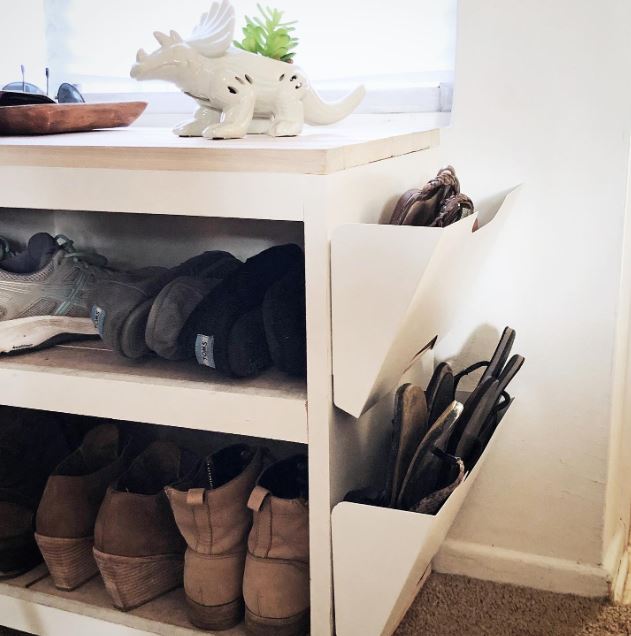
Thin sandals, flip-flops, slippers, and shoe-care items rarely need a deep shelf. A slim magazine holder mounted beside a bench can store them vertically without occupying another section of the main shoe rack.
The holder must not interfere with sitting, walking, doors, or drawers. Avoid projecting it into a narrow hallway where ankles, bags, or clothing could catch on its corners. A rounded metal design or smooth wooden holder is easier to live with than one with sharp edges.
Materials and Tools
· Slim magazine holder
· Shoe bench or secure mounting surface
· Screws suited to the holder and supporting material
· Washers when needed
· Drill and suitable drill bit
· Pencil
· Tape measure
· Level
· Eye protection
· Optional wall plugs or internal backing
· Lightweight sandals or slippers
Add the Holder Securely
1. Choose the position while the bench is in place. Sit down, open nearby doors, and walk past the intended spot. Mark a height that keeps the holder accessible without creating a sharp obstacle.
2. Check the supporting material. Thin fibreboard or hollow panels may not hold screws safely without backing. Locate solid wood, use suitable fixings, or choose a freestanding arrangement instead of guessing what lies beneath the surface.
3. Mark and drill carefully. Hold the rack level and mark the fixing points. Wear eye protection, drill pilot holes where appropriate, and keep electrical cables or hidden hardware in mind before drilling.
4. Attach and test the empty holder. Tighten the fixings evenly so the frame sits flat without twisting. Press gently in several directions and stop if the panel flexes or the screws begin to pull.
5. Load only lightweight items. Add sandals, shoe brushes, or folded reusable shoe bags one at a time. Wet or muddy shoes should dry elsewhere before they are placed against the bench.
I don’t think every entryway project needs to hold the entire household’s footwear. This little side holder works because it deals with the awkward thin pairs that otherwise slide underneath everything else.
Renters can place a freestanding magazine file inside the lower shelf of a bench. Another option is to use the holder for umbrellas, reusable shopping bags, or rolled dog-walking towels, provided damp items cannot damage the surrounding furniture.
Reuse a Wire Magazine Holder in the Fridge or Pantry
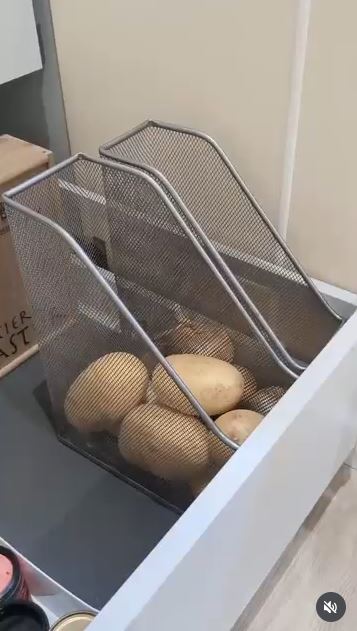
A washable magazine holder can organise tall pantry packets, rolls of baking paper, lightweight bottles, tins, or selected produce. It may stand upright, lie on its side, or sit inside a cupboard, depending on its shape.
Choose the contents carefully. A solid plastic holder may trap moisture around produce, while an open wire version gives more airflow but can leave pressure marks on soft fruit. Rusty, flaking, heavily painted, or hard-to-clean racks do not belong near food.
Materials and Tools
· Washable wire or plastic magazine holder
· Mild washing-up liquid
· Cleaning brush or cloth
· Dry towel
· Optional washable liner or small food-storage container
· Optional reusable label
· Pantry packets, bottles, or sealed produce for testing
Prepare It for Kitchen Use
1. Inspect the coating and joints. Reject a holder with rust, peeling paint, sticky residue, or narrow gaps that cannot be cleaned. The base should sit flat and remain steady in the chosen cupboard, fridge, or drawer.
2. Wash and dry it thoroughly. Clean every seam and allow all trapped water to drain. Do not place a damp metal holder into the pantry, and avoid strong cleaners that leave a lingering odour.
3. Choose one storage purpose first. Test it with sealed packets, rolls, bottles, or a small amount of suitable produce. Mixing several unrelated items often turns a useful organiser into a narrow box of confusion.
4. Check access and airflow. Make sure fridge doors close properly and cupboard shelves do not scrape the contents. Use a washable liner when loose items could fall through the wire or leave dirt behind.
5. Clean it as part of the usual routine. Remove crumbs, moisture, and forgotten produce promptly. Stop using the holder near food if the coating begins to deteriorate.
The good thing about this idea is that it does not require permanent changes. If the holder fails as pantry storage, clean it and try it in a bathroom cupboard, home office, or cleaning cabinet instead.
Turn it on its side to hold reusable bottles only when the frame prevents them from rolling out. A wall-mounted file can organise foil, parchment, and reusable food bags inside a pantry, but the fixing must suit the combined weight.
Match the Rack Material to a Sensible Use
Wooden Magazine Racks
Wooden racks suit baking trays, cutting boards, books, rolled towels, craft materials, and painted room storage. Keep them away from constant moisture unless the wood and finish are suitable for that environment. Sand every edge that may touch hands, fabric, or paper.
Metal Magazine Racks
Metal frames work well for pantry packets, bathroom supplies, sandals, wrapping paper, and lightweight blankets. Check welds and joints before loading them. Rust should be treated properly rather than hidden beneath a quick decorative coat.
Plastic Magazine Holders
Plastic files are useful inside cupboards, fridges, desks, and children’s craft areas because many are easy to wipe clean. Brittle plastic should not be drilled, flexed, or trusted with weight. Discard or recycle it appropriately when cracks begin to spread.
Fabric or Leather Sling Racks
Sling-style racks can hold rolled throws, cushions, soft toys, or folded textiles. Inspect the stitching and supporting frame first. Avoid damp towels and heavy objects that may stretch the sling out of shape.
Wall-Mounted Holders
Wall racks suit shoes, papers, tablets, reusable bags, and lightweight household supplies. The fixing is part of the project, not an afterthought. Match the screws and anchors to the wall or furniture material, and keep the rack away from busy walkways.
Common Mistakes to Avoid
Choosing the New Use Before Checking the Structure
A clever purpose cannot rescue a rack with unstable joints or serious corrosion. Inspect first, repair what can be repaired safely, and choose a lighter use when the original structure has weakened.
Loading One Side More Heavily
Baking trays, books, and boards can pull a narrow rack sideways. Distribute the load across the centre and both sides, then remove anything that causes twisting or tipping.
Painting Over Dirt, Wax, or Rust
A fresh colour may look fine for a few days but peel where the surface remains greasy or loose. Clean properly, remove unstable material, prepare the finish, and follow the paint manufacturer’s instructions.
Forcing Thick Items Into Narrow Dividers
A chopping board or tray wedged into a tight section can split wood or bend metal. Use the natural slot width rather than treating every divider as adjustable.
Placing the Rack in a Damp Corner
Bathrooms, porches, and kitchens expose furniture to moisture. Wood may swell, fabric may develop odours, and metal may rust. Choose a dry position and inspect the rack regularly.
Using Weak Fixings for Wall Storage
A screw driven into thin board or loose plaster may hold briefly and then pull out. Confirm the supporting material and use appropriate fixings before loading the holder.
Storing Dirty Shoes or Produce Without a Liner
Mud, food residue, and moisture collect in seams where they become difficult to remove. Clean items first or add a washable liner that can be lifted out separately.
Adding Decoration Where Objects Need to Slide
Raised stencils, thick rope, exposed glue, and large embellishments may catch baking trays, sandals, or paper. Keep inner storage surfaces smooth and place decoration on the exterior.
Making the Rack Hold More Than It Should
A magazine rack is still a relatively small organiser. It should not become a shelf for heavy cookware, a seat, a climbing aid, or a container for breakable objects that could fall.
Keeping a Rack That Solves No Real Problem
Reuse should make the home easier to manage. If the finished rack has no sensible place or purpose, pass it to someone who needs it rather than creating another object to store.
Frequently Asked Questions
What is the easiest way to upcycle a magazine rack?
The simplest option is to clean it and assign it a useful new purpose without changing the structure. Use a sound rack for baking trays, craft sheets, folded towels, sandals, or pantry packets, depending on its size and material.
Do I need to sand a wooden magazine rack before painting it?
Light sanding may help remove rough fibres and reduce a very glossy surface, but the correct preparation depends on the existing finish and chosen paint. Clean the wood first, test a hidden area, and follow the product instructions rather than sanding automatically.
Can I use a magazine rack in the bathroom?
Yes, provided the material can tolerate the location and the rack remains away from frequent splashes. Inspect wooden, wicker, and metal racks regularly for swelling, loose joints, rust, or changes in the finish.
Is a magazine rack strong enough for baking trays?
A solid wooden or metal rack may hold lightweight trays and boards when its joints and dividers remain sound. Add items gradually and stop if the base rocks, the sides spread, or the dividers begin to bend.
Can a magazine holder be used inside a fridge?
A clean, washable holder may work when it fits without restricting the door, shelves, or airflow. Avoid rusty metal, flaking coatings, absorbent materials, and holders with seams that cannot be cleaned properly.
How can I make a magazine-rack upcycle look less dated?
Cleaning and careful placement may be enough. You could also use one restrained paint colour, smooth worn edges, replace damaged floor pads, or add a simple removable label. I’d rather keep the finish quiet than cover every surface with decoration.
Can I mount a magazine holder without drilling?
A freestanding holder can sit inside a bench, cupboard, wardrobe, or pantry without permanent installation. Adhesive mounting may suit only very light items and compatible surfaces, so check the manufacturer’s guidance and never assume it can replace secure hardware.
Give the Old Rack a Job You Actually Need
Learning how to upcycle a magazine rack starts with its shape rather than its old label. Dividers can separate trays, a removable handle can carry a toilet roll, and a slim holder can organise craft sheets or lightweight shoes. The most successful change is often the one that asks the rack to do something close to what it already did: hold flat or narrow items neatly.
Check the structure, clean the material, and begin with a light load. Then use the rack for a week before reaching for more paint, hooks, labels, or decoration. That small pause will tell you whether the new purpose genuinely works in your home.
Which forgotten rack would you start with: the wooden one ready for kitchen trays, the handled version suited to a bathroom, or the narrow holder waiting to organise a cupboard?